
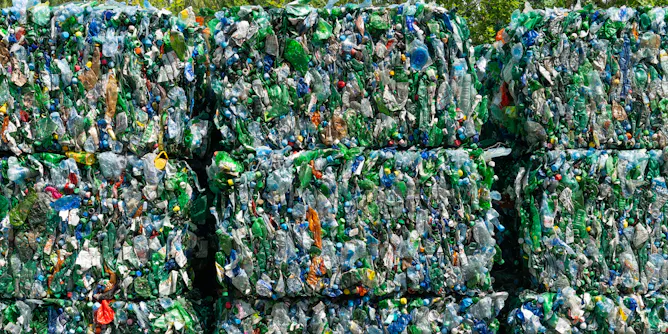
Plastic waste is a global problem. Now a chemist has developed a new strategy for breaking down the most common plastic so it can be not just recycled, but upcycled into desirable goods.
Articles on Pollution
Displaying 361 - 380 of 650 articles

Shaking polypropylene bottles and washing them with very hot water can release millions of tiny plastic particles. Here are four ways to reduce exposure.

Microplastics could pose a threat to the sustenance of aquatic biodiversity when ingested by animals.
PFAS chemicals are toxic, widespread and persistent in the environment, and the federal government has been slow to regulate them. A scientist explains why evaluating them one by one isn’t working.

The ghosts of our industrial and agricultural past continue to haunt freshwater ecosystems today.
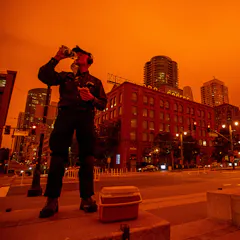
To understand the risks of wildfire smoke, it helps to understand the chemicals people are breathing.

Last week, much of the Midwest and eastern US experienced hazy skies and red sunsets. The cause was smoke transported from the Western US by the jet stream and spread as far as Boston and even Europe.
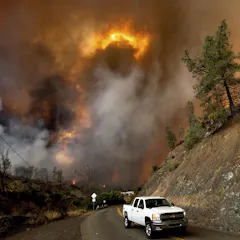
Wildfires blanketing several Western cities are creating hazardous health conditions. Don’t count on cloth masks to protect your lungs.
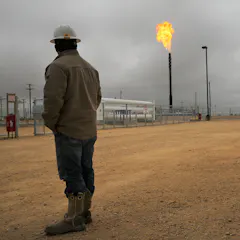
A study shows that low-income communities and communities of color are bearing the brunt of the energy industry’s pollution in the region. The risks also extend to the unborn.
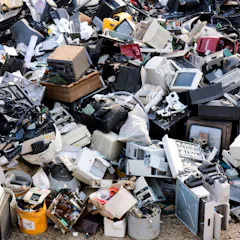
Within the growing mountains of electronic waste, precious metals lie waiting to be recovered.
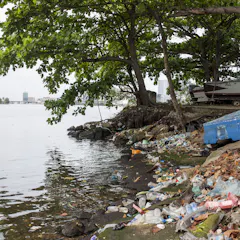
Pollutants from industrial and domestic sources in the Lagos lagoon represent a cocktail of environmental contaminants.
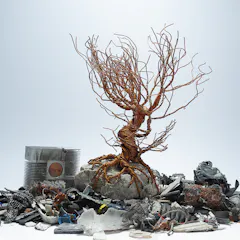
Demand for electric and electronic products is fuelling the meteoric rise in e-waste.

Working from home in the long run could be better for your health, or it could also be worse. It depends on how your employer supports you.
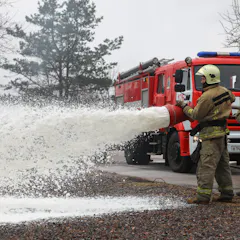
New treatment can break down toxic substances into relatively harmless elements.
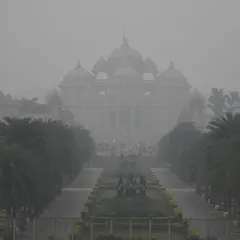
In South Asia, days with both extreme heat and extreme pollution are expected to increase 175% by 2050. Separately, the health effects are bad; together they will likely be worse.

In order to create an efficient future transportation system, autonomous vehicles need to accommodate people with different mobility needs.
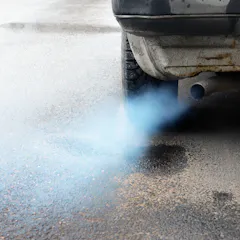
Removing engine idling would be like removing up to 1.6 million cars from the road.

Australia has failed to ratify an international treaty to reduce harmful mercury emissions. Mercury exposure can cause kidney damage and brain impairment, especially in children.
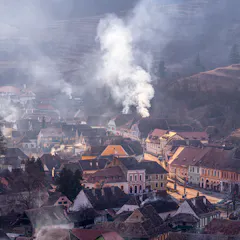
Australians choked through a smoke-ridden summer during the bushfire crisis. But many of us are unaware of the silent damage indoor wood fire heaters are doing to our health.
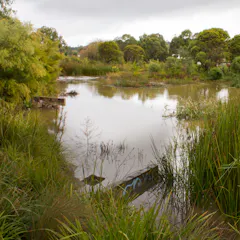
Natural assets produce important city services and complement engineered infrastructure. Investing in natural assets can help protect our environment, reduce municipal service costs and create jobs.
Top contributors
-

Honorary Professor, School of Natural Sciences, Macquarie University
-
Associate Professor in Environmental Science, Western Sydney University
-
Professor, UNSW Law & Justice and UNSW Institute for Climate Risk & Response, UNSW
-
Professor of Environmental Science, University of South Africa
-
ARC Future Fellow and Associate Professor in Climate Science, ARC Centre of Excellence for 21st Century Weather, The University of Melbourne
-
Emeritus Professor of Medicine, Adelaide University
-
Senior Principal Research Scientist, Environment, CSIRO
-
Senior Research Fellow at the Stockholm Environment Institute, University of York
-
Professor, Obafemi Awolowo University
-
Professorial Fellow, ARC Centre of Excellence for Coral Reef Studies, James Cook University
-
Professor of Biology, University of Portsmouth
-
Postdoctoral research fellow, University of the Ryukyus, Okinawa Japan, Madonna University, Nigeria
-
Associate Professor, Australian National University
-
Professor, Australian National University
-
Associate Professor and Water Management Expert, University of South Africa