
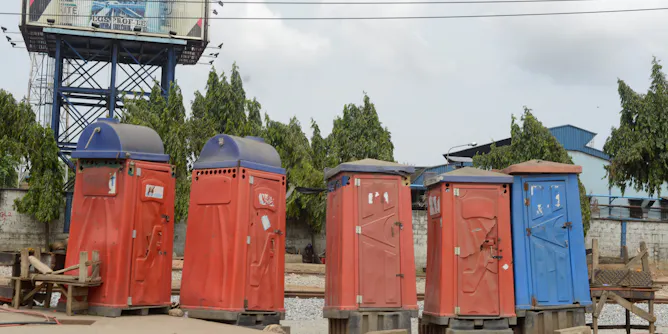
Some Niger Delta residents are less concerned about oil-induced hazards and risks, or floods and erosion. They are more worried about a lack of sanitation amenities.
Articles on Pollution
Displaying 301 - 320 of 650 articles
In a process called ‘reverse socialisation’, children can help their elders become more green - but eco education is key.
New Zealand’s native wildlife and habitats are at extreme risk, but there is a dangerous disconnect between strategic aspiration and planned action.
This long, uncharacteristically early heatwave has hit hundreds of millions of people in one of the world’s most densely populated and vulnerable regions.
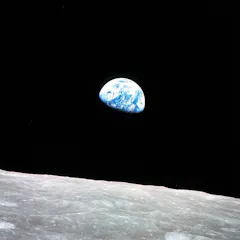
The Earth is a resilient planet, but people are altering it in ways that may take centuries to reverse.
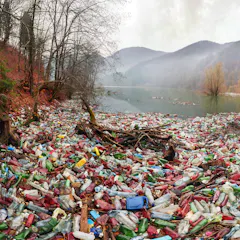
A global treaty on plastic pollution must incentivize a take-make-reuse waste management system and include quantitative targets based on geography-specific emissions.
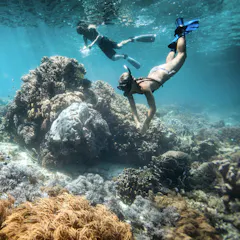
Laboratory studies suggest sunscreen chemicals are dangerous to coral reefs. But in real world conditions, that’s not true. Bleaching must have another cause.
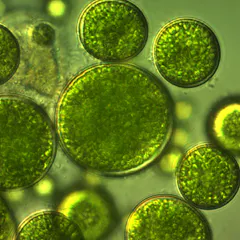
The inside of story of a pioneering programme to convert nitrogen into microalgae that can generate sustainable animal feed.

The Nigerian government must do more to combat increasing plastic pollution in the country.
Drive-throughs not only increase air pollution and emissions, but also contribute to a car-centred culture that we need to avoid.

For over 40 years, a coal mine on the outskirts of the Blue Mountains World Heritage area dumped poorly treated wastewater into the Wollangambe River. Finally, it’s on the road to recovery.
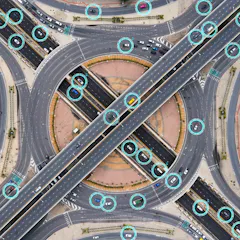
Studies show that when people can ride in a car without having to operate it, they increase their car use. That could increase traffic and pollution, unless government puts a price on car travel.
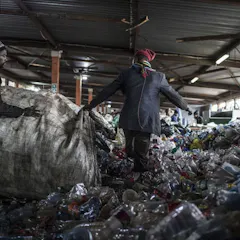
In South Africa, the work of ensuring plastic bottles are recycled lies with consumers and volunteers instead of the large industry polluters.
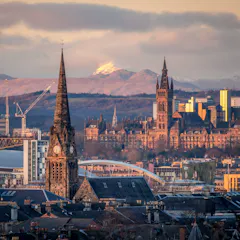
By measuring emissions in real time, cities can take stronger action against air pollution and global warming.

Sea ice is thinning at an alarming rate. Snow is shifting to rain. And humans worldwide are increasingly feeling the impact of what happens in the seemingly distant Arctic.
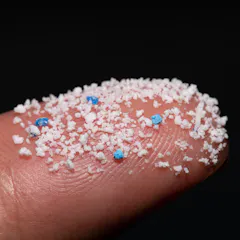
Microplastics are polluting soil worldwide, but it’s often hard to analyse the impact. New research shows how we can assess the scale of the problem using modelling.

Research has found that poetry can make people feel the urgency of climate change more keenly.
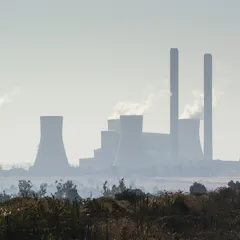
To improve air quality, a combination of efforts is needed including reducing Eskom’s emissions, investing in cleaner sources of energy, and reducing emissions.
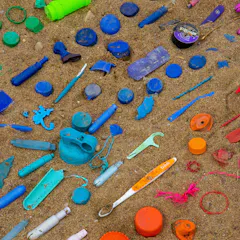
In this episode, two Indigenous scientists running collaborative labs to address our climate crisis offer some ideas for environmental justice, including a redefinition of pollution.
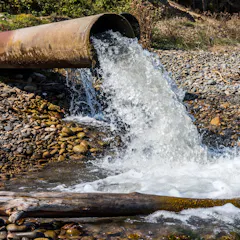
Water and sewerage companies should not be responsible for reporting pollution.
Top contributors
-

Honorary Professor, School of Natural Sciences, Macquarie University
-
Associate Professor in Environmental Science, Western Sydney University
-
Professor, UNSW Law & Justice and UNSW Institute for Climate Risk & Response, UNSW
-
Professor of Environmental Science, University of South Africa
-
ARC Future Fellow and Associate Professor in Climate Science, ARC Centre of Excellence for 21st Century Weather, The University of Melbourne
-
Emeritus Professor of Medicine, Adelaide University
-
Senior Principal Research Scientist, Environment, CSIRO
-
Senior Research Fellow at the Stockholm Environment Institute, University of York
-
Professor, Obafemi Awolowo University
-
Professorial Fellow, ARC Centre of Excellence for Coral Reef Studies, James Cook University
-
Professor of Biology, University of Portsmouth
-
Postdoctoral research fellow, University of the Ryukyus, Okinawa Japan, Madonna University, Nigeria
-
Associate Professor, Australian National University
-
Professor, Australian National University
-
Associate Professor and Water Management Expert, University of South Africa