
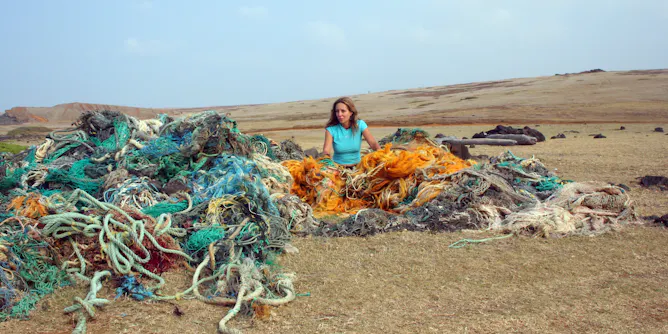
Pam Longobardi collects and documents ocean plastic waste and transforms it into public art and photography. Her work makes statements about consumption, globalism and conservation.
Articles on Plastic
Displaying 101 - 120 of 399 articles
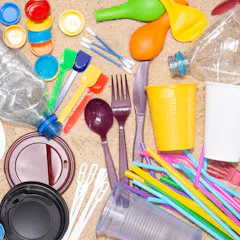
Alternative food containers, such as those made of bioplastics, are being promoted as a way to reduce our exposure to plastic in food. But there is still a lack of knowledge around their impacts.
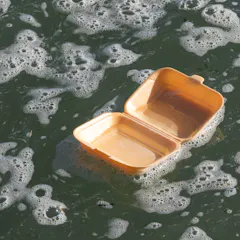
How to make England’s new ban a success.
Product standards have real power. We could use them to reduce waste at every part of the plastic lifecycle.
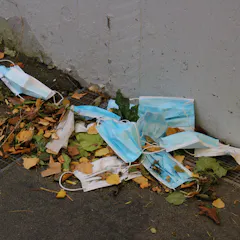
Billions of face masks and other personal protective equipment have been used throughout the pandemic. Containing plastic, these items are damaging wildlife and their environments.
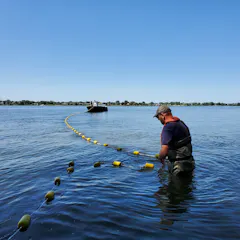
UV absorbents and industrial antioxidants are used in many household goods to protect them from UV radiation. They can have an adverse impact on ecosystems.
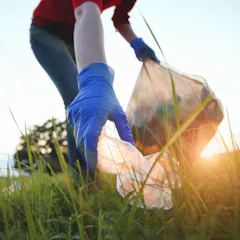
Making it easier for people to refill containers is key to slowing the tide of packaging waste.
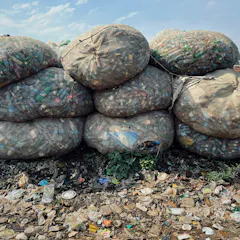
It’s important to look at the whole value chain in the plastics economy, starting with design of products that can be reused and recycled.
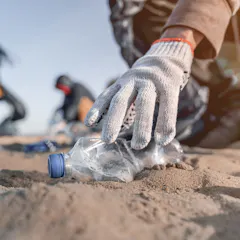
The plastic industry uses powerful tactics to convince us it’s not that bad, but in reality many of their green solutions aren’t working.

Placing plastic straws, a life sustaining accessibility tool, under the same restrictions for sale as tobacco products is overly harsh, and detrimental to the dignity and inclusion of disabled people
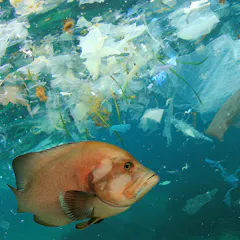
We need to advance our understanding of the effects of microplastics on aquatic ecosystems, especially on small animals at the base of food webs that might be ingesting more of these particles.
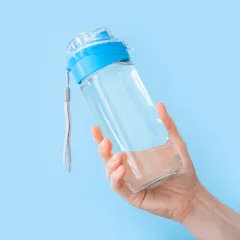
The US Environmental Protection Agency is reexamining the health effects of bisphenol A. A chemist explains why BPA is in plastics and why it’s hard to find a safe replacement.
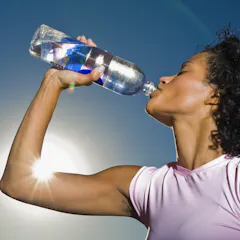
Due to increasing concerns over the health hazards posed by BPA, the Food and Drug Administration plans to reevaluate the safety of the controversial chemical for use in everyday products.

Plastic is made from oil and natural gas, which started out as fossilized plant and animal material. But buried deep underground for millions of years, those materials changed in important ways.
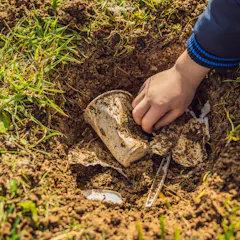
Biodegradable plastics have great potential to replace problematic plastics that don’t break down. But we, and the environment, need greater clarity on how to dispose of them.

There is abundant evidence of the involvement of endocrine disruptors in reproductive dysfunction in several species, including humans.
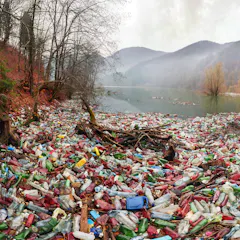
A global treaty on plastic pollution must incentivize a take-make-reuse waste management system and include quantitative targets based on geography-specific emissions.
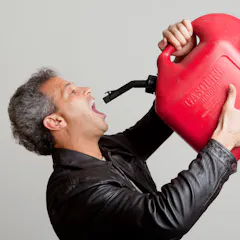
Oil is used throughout the US economy. It goes into packaging, toys, clothing and especially the food we eat.
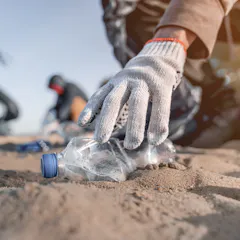
Over 170 countries have endorsed a resolution to negotiate a plastics treaty that’s much more precise than the Paris climate change agreement.

The Nigerian government must do more to combat increasing plastic pollution in the country.
Top contributors
-

Senior Principal Research Scientist, Environment, CSIRO
-
Research Chair, Indigenous Approaches to Environmental Management, Keele University
-
Senior Principal Research Scientist, CSIRO
-
Lecturer, School of Life and Environmental Sciences, Deakin University
-
Professor of Sustainable Development, Keele University
-
Research Scientist, Stanford University
-
Lecturer in Ornithology, Charles Sturt University
-
Assistant Professor of Ecology and Evolutionary Biology, University of Toronto
-
Professor, School for Resource and Environmental Studies, Dalhousie University
-
Professor of Ocean Policy and Economy, University of Portsmouth
-
Professor of Coastal Oceanography, The University of Western Australia
-
Associate professor, University of Portsmouth
-
Oceanographer, The University of Western Australia
-
Research associate, Loughborough University
-
Professor of Global Environmental Politics, University of California, Berkeley