
Plastics are strong, durable, waterproof, lightweight, easy to mould, and recyclable – all key properties for construction materials.
Articles on Plastic
Displaying 161 - 180 of 399 articles
Plastic flows to the world’s waterbodies could double over the next two decades.
To ban or not to ban plastic bag use
Our research on a remote Antarctic island found microplastics in the intestines of tiny animals.
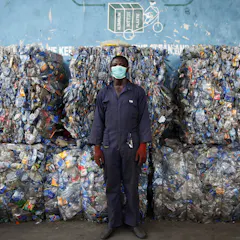
With oil selling at rock bottom prices, a glut of cheap plastic could reverse progress on recycling.
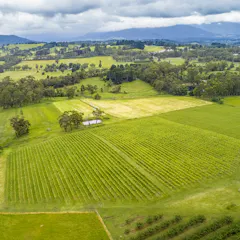
We must stop using biosolids for farmlands immediately, especially when alternative ways to recycle wastewater sludge already exist.
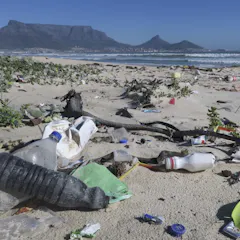
Knowledge about the movement of marine plastics will help reduce the impact of plastic pollution in water bodies.
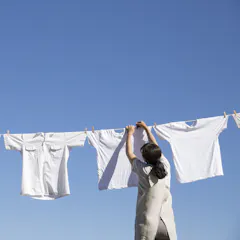
While natural fibre textiles like cotton have generated an environmentally friendly reputation in recent years they might be just as bad as microplastic textiles like polyester and Nylon.
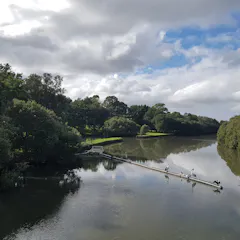
To inner west Sydneysiders, the Cooks River is known to be particularly polluted. But after a storm, microplastic particles increased more than 40 fold.
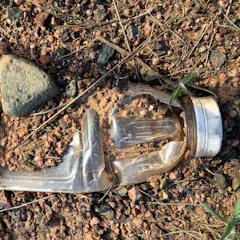
A media study of public criticism of plastic reveals that stigmatisation may result in limited bans, it leaves the vast majority of plastic production and pollution unexplored.
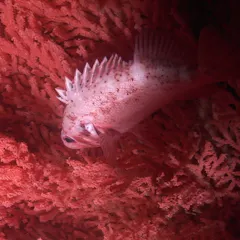
Here’s how microplastics from your clothes end up in the deep sea.

Many sustainability-conscious people now find their cupboards stocked with plastic bottles of hand sanitiser, disposable wipes and takeaway food containers.
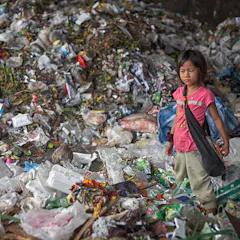
Even recycled plastics still end up in landfill with our current system.
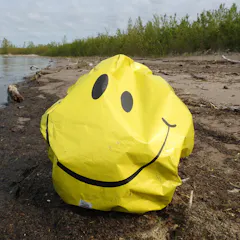
Releasing balloons at weddings and other celebrations is festive, until they break into pieces and become plastic pollution. A citizen science project is spotlighting the problem.
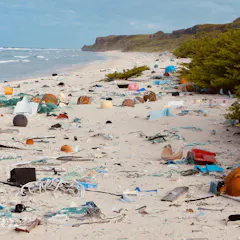
New research from Australia’s national science agency shows a huge amount of ocean plastic ends up on land, where it gets trapped.
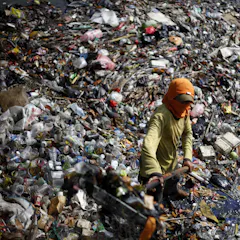
The study also finds the weight of plastic waste from all rivers in Jakarta totals 2.1 million kilograms equivalent to 1,000 Tesla Model S cars.
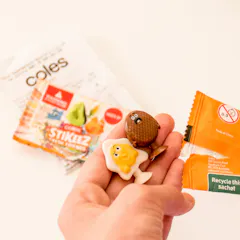
Stikeez, the latest collection of plastic collectables from Coles, flies in the face of the company’s plan to become Australia’s most sustainable supermarket.
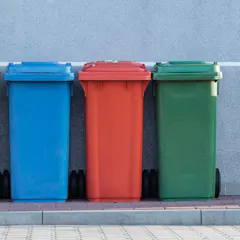
Taxes designed to encourage a green transition can instead penalise smaller businesses and ensure they’re left behind.
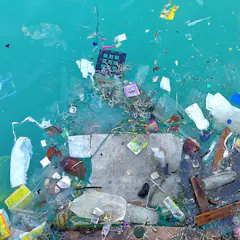
Many studies find microplastics have important negative effects on animals, but others don’t.
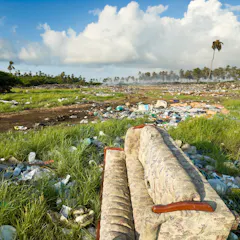
To manage plastic wastes, nations first need to know what they have and where it’s coming from. A case study from Trinidad and Tobago shows how this approach can help identify solutions.
Top contributors
-

Senior Principal Research Scientist, Environment, CSIRO
-
Research Chair, Indigenous Approaches to Environmental Management, Keele University
-
Senior Principal Research Scientist, CSIRO
-
Lecturer, School of Life and Environmental Sciences, Deakin University
-
Professor of Sustainable Development, Keele University
-
Research Scientist, Stanford University
-
Lecturer in Ornithology, Charles Sturt University
-
Assistant Professor of Ecology and Evolutionary Biology, University of Toronto
-
Professor, School for Resource and Environmental Studies, Dalhousie University
-
Professor of Ocean Policy and Economy, University of Portsmouth
-
Professor of Coastal Oceanography, The University of Western Australia
-
Associate professor, University of Portsmouth
-
Oceanographer, The University of Western Australia
-
Research associate, Loughborough University
-
Professor of Global Environmental Politics, University of California, Berkeley