
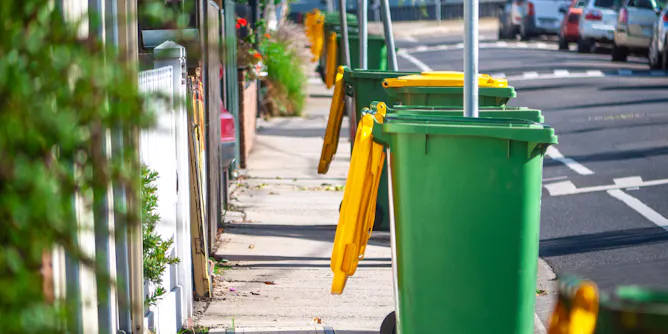
We all say we like recycling. But contamination rates are high. Victoria’s government hopes a new bin for glass and recycling soft plastic can help.
Articles on Plastic
Displaying 61 - 80 of 399 articles

The growing environmental and health risks posed by microplastics can only be addressed by reducing the amount of plastic produced and ensuring that all of it is recycled.

Millions of people are being urged to take part in Plastic Free July. Yet we know consumer choice is only one part of the picture. Eliminating plastic waste requires broader structural change.
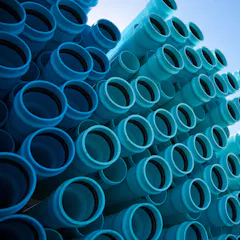
Durability and the risk of chemicals being released when pipes heat up are just 2 concerns about plastic pipes.
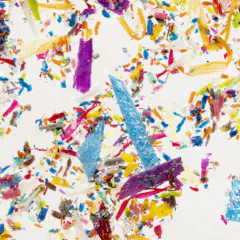
Nanoplastics have been found in the brain, lungs, arteries, semen and placenta. But the harms are still unknown.

Whether we can recycle plastic or not depends on what it’s made of (because there are many different types of plastic), if it’s sufficiently clean and if enough people will buy recycled products.
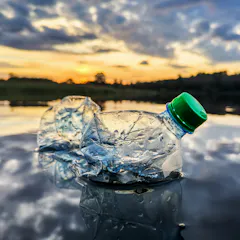
Understanding how plastic pollution moves in rivers is key to effective cleanup strategies.
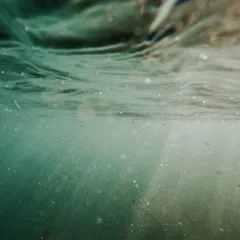
Nanoplastics are the smallest microplastics, far narrower than a human hair. Very little is known about their composition, structure or how they break down in the environment.
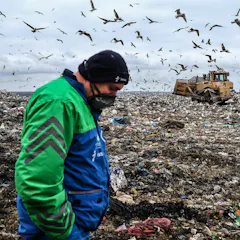
But how the world will get to zero pollution is still uncertain – and production caps are untested.
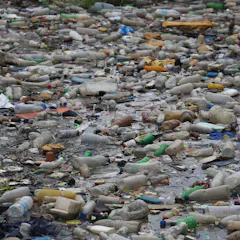
The more plastic, the more waste we produce. It sounds simple, but this discovery could help us find ways of ending plastic pollution.
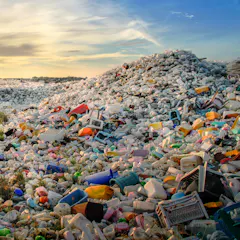
The treaty focuses on ending plastic pollution, not eliminating the use of plastics. But some countries are more ambitious than others.
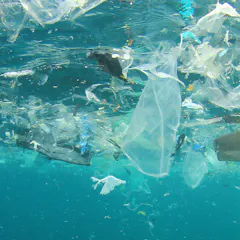
As it travels around the ocean, plastic litter can harm wildlife and marine habitats in many ways. This study highlights five key hotspots where floating plastic poses the biggest risk.
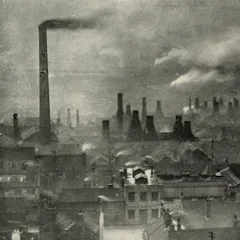
Scientists have been debating the start of the Anthropocene Epoch for 15 years. I was part of those discussions, and I agree with the vote rejecting it.
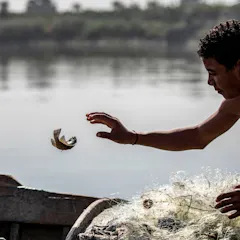
The River Nile is contaminated with microplastics.
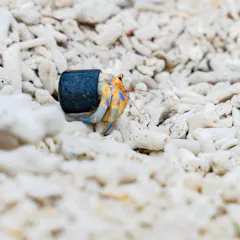
Hermit crabs have been using plastic waste such as bottle tops as homes instead of empty snail shells.
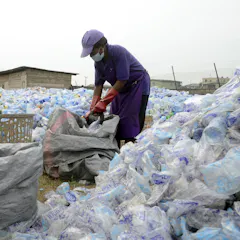
Recycled plastics are not safe if the chemicals used in creating them in the first place are harmful.
Until the age of nine, children struggle to distinguish adverts from TV shows.

How many years you reuse a fake holiday tree matters. So does what happens to a live tree when you’ve packed up the ornaments.
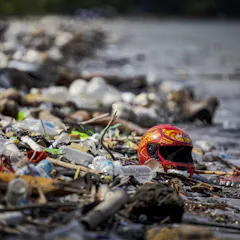
A central question remains unresolved in the draft treaty: Is plastic pollution basically a waste management problem, or can it be solved only with a cap on production?
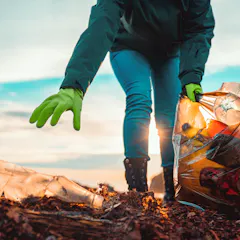
Media coverage of the dangers of plastic pollution can distract from what is actually needed, says an author.
Top contributors
-

Senior Principal Research Scientist, Environment, CSIRO
-
Research Chair, Indigenous Approaches to Environmental Management, Keele University
-
Senior Principal Research Scientist, CSIRO
-
Lecturer, School of Life and Environmental Sciences, Deakin University
-
Professor of Sustainable Development, Keele University
-
Research Scientist, Stanford University
-
Lecturer in Ornithology, Charles Sturt University
-
Assistant Professor of Ecology and Evolutionary Biology, University of Toronto
-
Professor, School for Resource and Environmental Studies, Dalhousie University
-
Professor of Ocean Policy and Economy, University of Portsmouth
-
Professor of Coastal Oceanography, The University of Western Australia
-
Associate professor, University of Portsmouth
-
Oceanographer, The University of Western Australia
-
Research associate, Loughborough University
-
Professor of Global Environmental Politics, University of California, Berkeley