
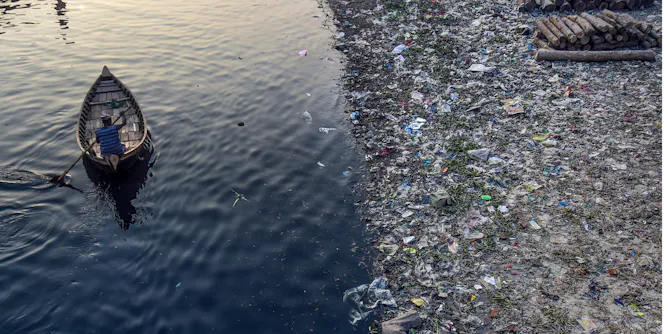
Representatives of 175 countries voted to start developing a global treaty to reduce plastic waste. Treaties addressing mercury, long-range air pollution and ozone depletion offer some lessons.
Articles on Plastic
Displaying 121 - 140 of 399 articles
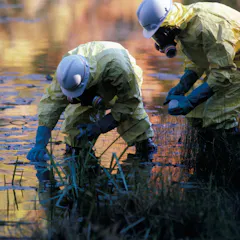
The production and release of synthetic chemicals worldwide is destabilising the Earth system.

Using recycled plastic to wire planes could reduce their emissions while cutting down on waste from the 3-D printing industry.
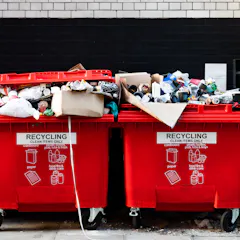
Tossing something into your recycling bin that can’t be processed does more harm than good.
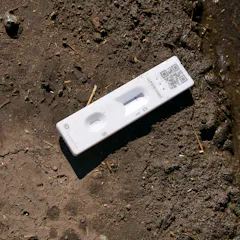
Each home testing kit contains around 10 grams of plastic.
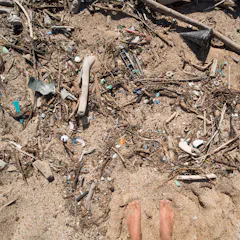
An estimated 8 million metric tons of plastic waste enters the ocean each year – equivalent to dumping in a garbage truckload of it every minute. A new report calls on the US to help stem the deluge.

In Canada, milk is available in jugs, cartons, bags and glass bottles. A new analysis reveals which type of container has the smallest environmental footprint — from container production to disposal.
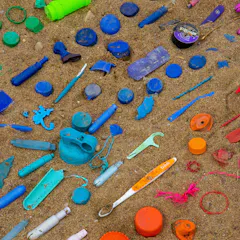
In this episode, two Indigenous scientists running collaborative labs to address our climate crisis offer some ideas for environmental justice, including a redefinition of pollution.
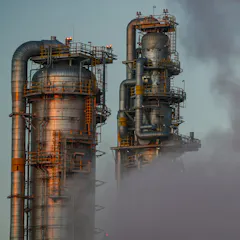
We discovered that the 12 largest petrochemical companies announced 88 new projects between 2012 and 2019: new and expanded facilities that will likely operate for decades, ramping up carbon emissions.
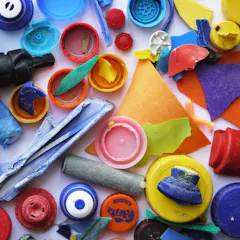
Women and girls in low-income countries are disproportionately likely to be affected by the plastic waste that’s flooding our planet.
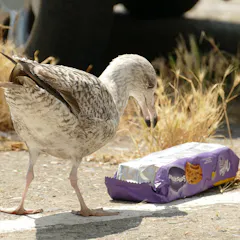
Researchers are uncovering how microplastic particles are carried in wind, rain and snow to remote regions of our planet.
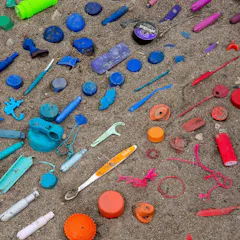
The problem of increasing plastic waste has been exacerbated by the pandemic, requiring better regulation and monitoring to solve.
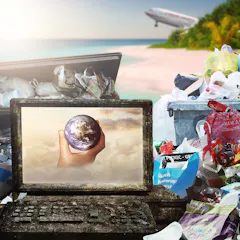
Making environmentally friendly choices is complex: here’s a guide to help you at home or out shopping.
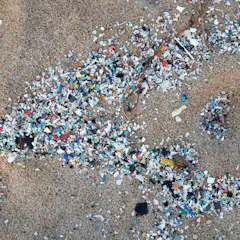
New research suggests that an effective way to locate and track large concentrations of microplastics in the ocean could be from high in the sky.
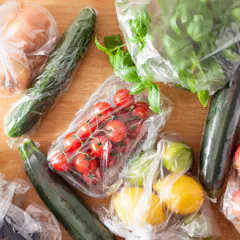
The film is similar to other plastics, but it can be composted at home.
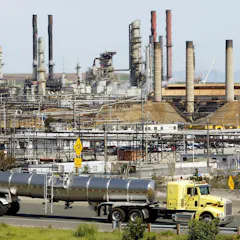
As global oil consumption drops, oil companies are pivoting to petrochemicals, and could crowd out bio-based alternatives.
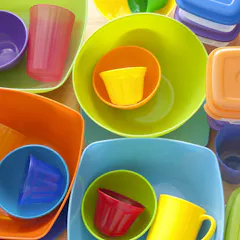
A large-scale survey asked people exactly that. One use of recycled carbon dioxide stood out.

Storing information using polymers could be more efficient than DNA data storage.
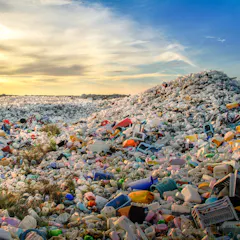
We expect chemical recycling to complement its mechanical counterpart, especially for difficult to recycle materials.

Plastic products that claim to be ‘compostable’ aren’t great either.
Top contributors
-

Senior Principal Research Scientist, Environment, CSIRO
-
Research Chair, Indigenous Approaches to Environmental Management, Keele University
-
Senior Principal Research Scientist, CSIRO
-
Lecturer, School of Life and Environmental Sciences, Deakin University
-
Professor of Sustainable Development, Keele University
-
Research Scientist, Stanford University
-
Lecturer in Ornithology, Charles Sturt University
-
Assistant Professor of Ecology and Evolutionary Biology, University of Toronto
-
Professor, School for Resource and Environmental Studies, Dalhousie University
-
Professor of Ocean Policy and Economy, University of Portsmouth
-
Professor of Coastal Oceanography, The University of Western Australia
-
Associate professor, University of Portsmouth
-
Oceanographer, The University of Western Australia
-
Research associate, Loughborough University
-
Professor of Global Environmental Politics, University of California, Berkeley