
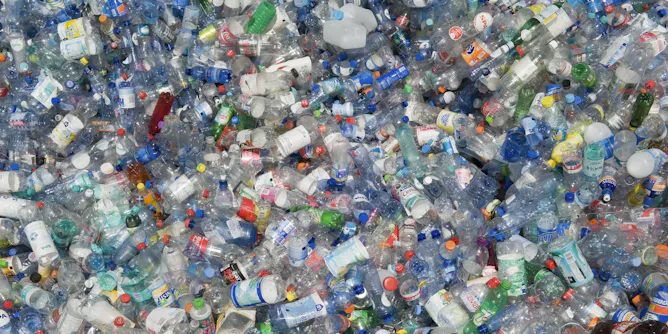
Pyrolysis breaks down plastic and generates potentially useful oil − but it’s not a silver bullet for the planet.
Articles on Plastic
Displaying 41 - 60 of 399 articles
It’s a first-world problem, but it sure is annoying.

To deal with microplastic pollution, it helps agencies to know what kind of plastic they’ve got on their hands.

President Donald Trump has ordered his government to stop using paper straws. A better approach is to avoid using single-use products.

These three examples of statistical mistakes have had major consequences for our health and shopping habits.
Discovering new materials could drive forward areas such as green technology and advanced electronics.
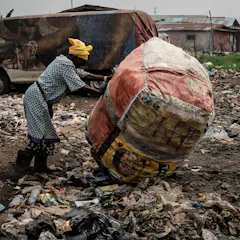
In Nigeria, informal collectors of plastic bottle waste are central to resolving the clash between its environmental costs and economic benefits.

Oil-rich nations and the petrochemical industry put up the strongest opposition to a pact.
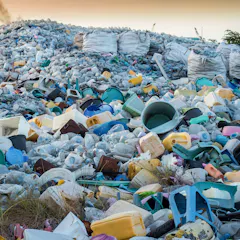
Right now, nations are negotiating the details of a treaty designed to slash plastic waste. One option on the table: tax new plastic to discourage overproduction.

The accumulation of micro- and nano-plastics in marine organisms, particularly fish, eventually makes its way onto our plates. What are the health risks?
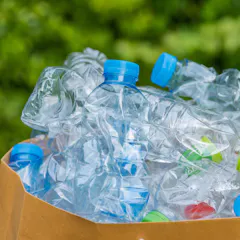
Are you considering buying fewer plastic bottles in the future? Maybe not, but now that the question has been asked, you’re bound to think about it.

Natural ‘plastic eaters’ could help in the fight against pollution in Africa.

How much microplastic does a city produce? To find out, we looked at Brisbane’s Moreton Bay, where microplastics build up without being washed away
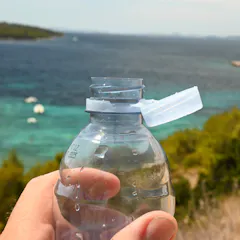
And why wildlife may be the biggest beneficiary.
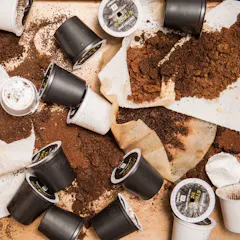
As concern about plastic pollution mounts, the federal government is revising its standards for calling products recyclable. A recent fine against Keurig could be a sign of things to come.
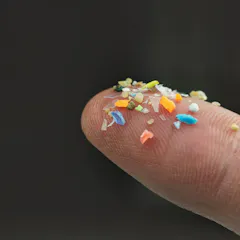
Global action is urgently needed to tackle microplastic – and the problem has never been more pressing.
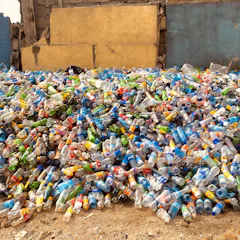
Nigeria is one of the top three plastic pollution hotspots globally.

A proposed chemical recycling plant in western Michigan may provide a handful of jobs but little environmental benefit.
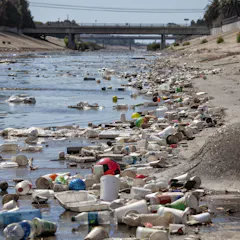
Better measuring standards, more responsibility for producers and an end to single-use products are all positive steps. But the US has not yet endorsed a cap on plastic production.
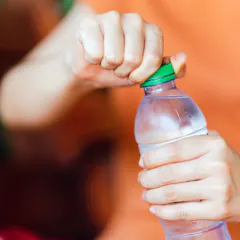
The study suggests BPA, an ingredient in some plastics, might play a role in oestrogen levels in infant and school-aged boys. But we have much to learn about what this means.
Top contributors
-

Senior Principal Research Scientist, Environment, CSIRO
-
Research Chair, Indigenous Approaches to Environmental Management, Keele University
-
Senior Principal Research Scientist, CSIRO
-
Lecturer, School of Life and Environmental Sciences, Deakin University
-
Professor of Sustainable Development, Keele University
-
Research Scientist, Stanford University
-
Lecturer in Ornithology, Charles Sturt University
-
Assistant Professor of Ecology and Evolutionary Biology, University of Toronto
-
Professor, School for Resource and Environmental Studies, Dalhousie University
-
Professor of Ocean Policy and Economy, University of Portsmouth
-
Professor of Coastal Oceanography, The University of Western Australia
-
Associate professor, University of Portsmouth
-
Oceanographer, The University of Western Australia
-
Research associate, Loughborough University
-
Professor of Global Environmental Politics, University of California, Berkeley