
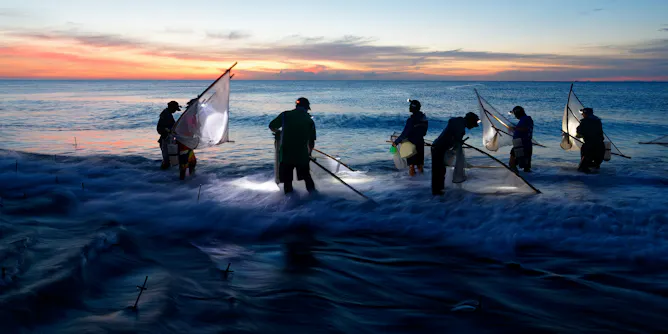
Indigenous marine governance is experiencing a revival throughout Oceania, building on traditional worldviews that acknowledge connections between people and all parts of ocean ecosystems.
Articles on Ocean pollution
Displaying 21 - 40 of 47 articles
The ocean moderates climate change by absorbing CO₂ emissions, hosts valuable biodiversity and provides food to millions, but all of these services are threatened by pollution and human activities.
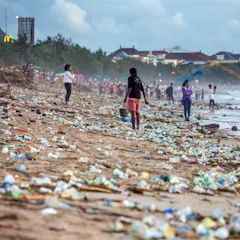
Polluted oceans don’t just harm wildlife, they are a source of ill health for humans too.
An international agreement has set an ambitious deadline for action on some of the biggest problems facing the world’s oceans.
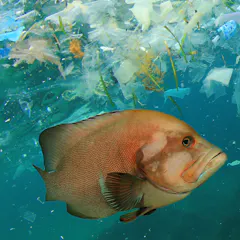
Plastic flows to the world’s waterbodies could double over the next two decades.

Empatheatre’s latest production is more than a play about three characters who live near the sea. It’s a model for collective consultation on how to save the ocean.
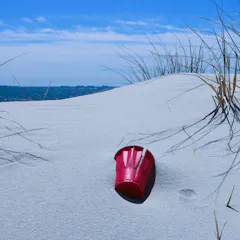
Where does plastic waste go when it reaches the ocean? For most of it, not far.

Urbanisation is the main reason for rising temperatures and water pollution, but receives little attention in discussions about the health of water streams, reefs and oceans.
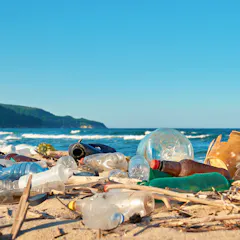
While the world gathers to negotiate on climate change, governments must recognise the public desire for action on plastic pollution and work together to solve it.
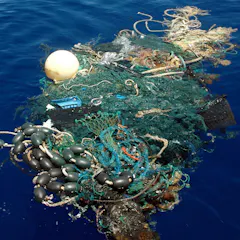
Cleaning up plastic pollution in the ocean is good – and long overdue. But where will the waste go? Recycling isn’t always an option. Bacteria and enzymes could process it, raising new questions.
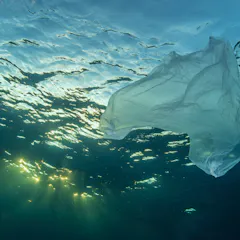
Tech fixes to environmental problems are guaranteed to grab attention, but real change for the planet requires community organising.
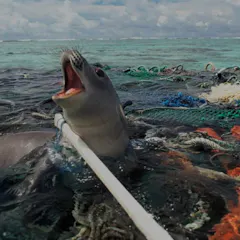
Millions of tonnes of plastic garbage winds up in our oceans each year. Voluntary pledges haven’t worked. It’s time for Canada to advocate for an international plastics treaty.
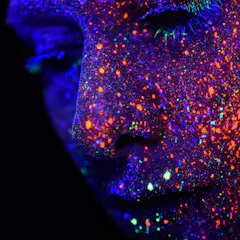
Once unleashed, glitter gets everywhere – not just in your house, but into the environment. Time to call a halt to the glitter explosion.
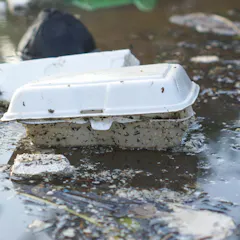
Taxing plastic takeaway boxes will help to reduce the massive amount of plastic which is dumped into the oceans.
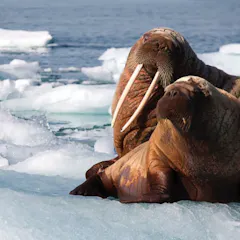
Besides wondrous creatures, new discoveries and spectacular filming, Sir David Attenborough’s follow up to The Blue Planet comes with a stark warning about the future

Sun cream ingredients have been linked to hormonal changes in fish and coral bleaching.

Archaeologists this week found that more than half of of HMAS Perth, a WWII wreck in Indonesia, has disappeared. It’s now a race to protect the millions of other wrecks and sunken cities lying under the oceans.
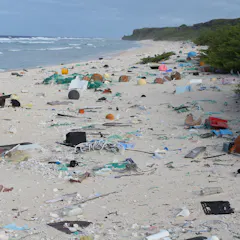
Plastics pose a major threat to seabirds and other animals, and most don’t ever break down - they just break up. Every piece of petrochemical-derived plastic ever made still exists on the planet.
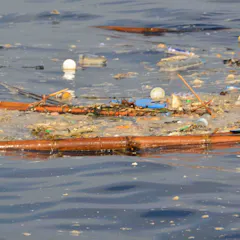
A new documentary highlights the plight of marine animals living among the estimated 5 trillion pieces of plastic rubbish generated by humans.
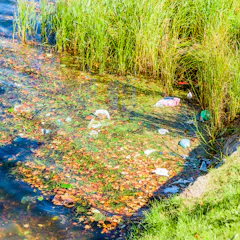
Microfibres and microplastics are a massive problem for marine life. Once ingested, they
severely affect marine animals ability to eat. There’s also concerns about their toxicity.
Top contributors
-

Regents' Professor of Art and Design, Georgia State University
-
Lecturer in Ornithology, Charles Sturt University
-
Postdoctoral Researcher, Toxicology, Institute of Zoology, Zoological Society of London
-
Professor in Forensic and Environmental Science, University of Staffordshire
-
Professor of Chemistry, Flinders University
-
Communication Manager - CSIRO Oceans and Atmosphere, CSIRO
-
Research fellow, King's College London
-
Director, FitzPatrick Institute of African Ornithology, University of Cape Town
-
Senior Lecturer, Sydney Southeast Asia Centre, University of Sydney
-
Research Scientist, Stanford University
-
Principal Researcher, James Cook University
-
Senior Director, UBC Sustainability Hub, University of British Columbia
-
Marine Scientist, James Cook University
-
Professor of Experimental Photobiology, King's College London
-
Senior Lecturer in Biology, The Open University