
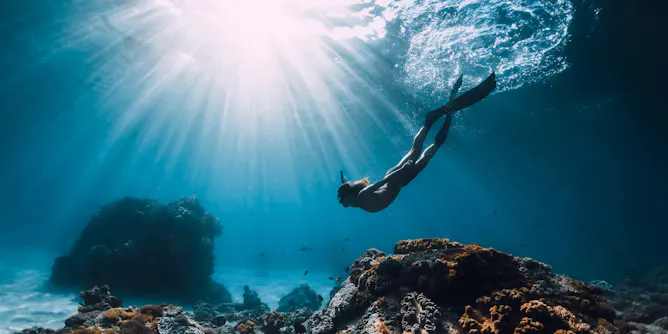
The Pacific Ocean produces oxygen, helps regulates the weather, provides food and livelihoods. It’s a place of fun, solace and spiritual connection. But its delicate ecology is under threat.
Articles on Ocean acidification
Displaying 41 - 60 of 108 articles
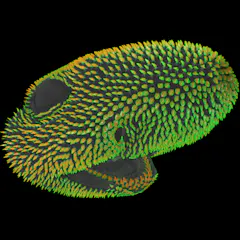
Shark skin is composed of millions of tiny scales, which have a similar chemical composition to human teeth.

What if the nightly news had regular updates on forest clearing, ocean temperatures and fossil fuel consumption? These indicators sit alongside temperatures as signs of climate change.
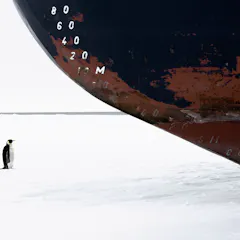
A new Intergovernmental Panel on Climate Change report makes clear human-induced climate change threatens the health and function of the ocean and cryosphere - the frozen regions of the Earth.

How super is a super coral? And what are they super at? Protecting our coral reefs means we need to find out.
Acidic oceans are disrupting a major part of the carbon cycle, slowing how seas absorb carbon from the atmosphere. This could massively speed up the effects of climate change.v
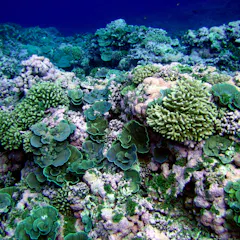
In a study that cultivated coral ‘gardens’ with varying numbers of species, plots with more species were healthier. This finding could inform strategies to help coral reefs survive climate change.
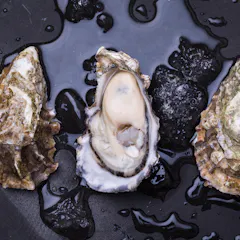
Acidic seawater conditions are interfering with the ability of shellfish to produce strong, resilient shells, and it’s happening all over the world.
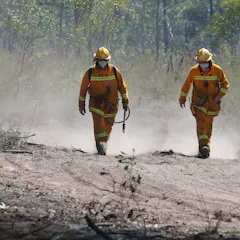
Australia is facing an increase in extreme heat, fire danger weather, floods and marine heatwaves, according to the latest biennial snapshot from the Bureau of Meteorology and CSIRO.

Climate change will affect the nutrition of seaweeds eaten by billions of people around the world.
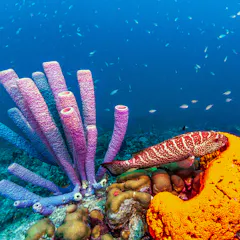
Marine sponges are ancient organisms that have survived mass extinctions. Many are more tolerant of climate change and may dominate over corals in future reef systems.
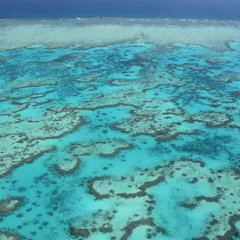
Ocean acidification poses an increasing threat to the sediments that form the framework of coral reefs - within around 30 years, these carbonate sands may no longer be able to form.
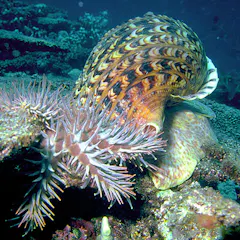
The federal government’s new funding aims to spread the net wide in investigating possible ways to protect the Great Barrier Reef’s corals. Winning this battle will require a wide range of weapons.
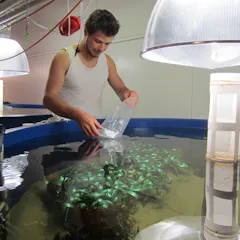
A new study suggests the benefits of a boost to marine plant growth from increased carbon dioxide will be cancelled out by the increased stress to fish species.
IPSO’s latest ruling makes a mockery of journalism’s commitment to seeking the truth.

Warming waters due to climate change are losing oxygen, threatening the health of fish and ecosystems.
The oceans are filled with sounds produced by animals. However, a recent study shows that ocean sounds are diminishing due to nutrient pollution and ocean acidification.

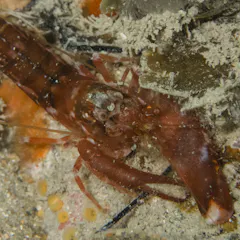
Global climate change is altering the chemistry of the oceans. A recent study suggests that the Pacific coast’s lucrative Dungeness crab fishery could suffer as ocean water becomes more acidic.
Atmospheric, marine, environmental, biological and medical scientists join in calling for more focus on the damage being wrought by climate change.
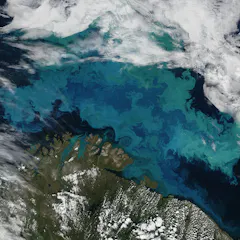
Tiny organisms change ocean acidity to benefit themselves.
Top contributors
-

Professor, School of the Environment, The University of Queensland
-
Professor, Marine Biology, Adelaide University
-
Research scientist, CSIRO
-
Senior Research Fellow, Antarctic Climate & Ecosystems CRC, University of Tasmania
-
Research fellow Environmental Management, Institute of Aquaculture, University of Stirling
-
ARC DECRA Fellow/Senior Lecturer, IMAS, University of Tasmania
-
Guest investigator, Woods Hole Oceanographic Institution
-
Distinguished Research Professor and Australian Laureate, James Cook University
-
Professor, Sustainable Marine Futures, Environment Institute, Adelaide University
-
Professor in Law, University of Canterbury
-
Professor of Marine Biology, Te Herenga Waka — Victoria University of Wellington
-
Associate Professor in Marine Biology, University of Technology Sydney
-
Director & Professor, Fisheries Economics Research Unit, University of British Columbia
-
Lecturer in Marine Biology, Te Herenga Waka — Victoria University of Wellington
-
Research Lead, Carbon Dioxide Removal, CSIRO