
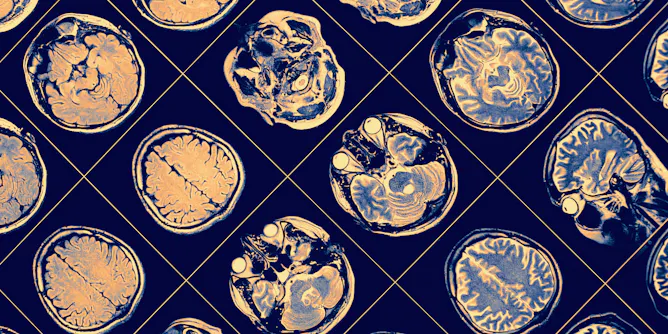
Socially isolated people have poorer cognition, including in memory and reaction time.
Articles on Neuroscience
Displaying 281 - 300 of 856 articles

To capture the information that a brain contains, you need to cut it into billions and billions of slices.
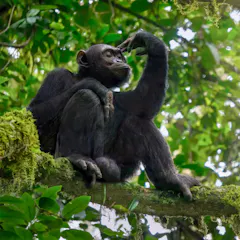
Human brains seem to be wired differently to those of chimps or macaques.
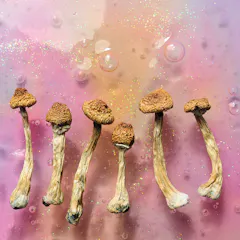
The active compound in magic mushrooms seems to increase connections between different brain networks.
Long overlooked by scientists, white matter may provide clues to some of the brain’s greatest mysteries.

Deciphering the biological pathways behind rare genetic diseases often involves assembling a team of specialists to work closely with the family members of those affected.
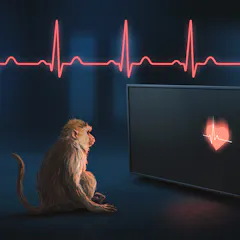
Researchers used a test designed for babies to show that rhesus monkeys can sense their own heartbeats. The finding opens up important paths of research into consciousness and mental health issues.
The unique power of story is like a sharp knife, writes Claire Corbett. It is neither good nor evil, but can cut both ways.
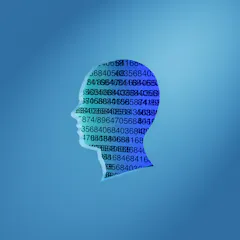
The brain can count small numbers or compare large ones. But it struggles to understand the value of a single large number. This fact may be influencing how people react to numbers about the pandemic.

Bruce Willis’ family today revealed he has been diagnosed with aphasia. So what actually is aphasia and why haven’t we heard of it before?
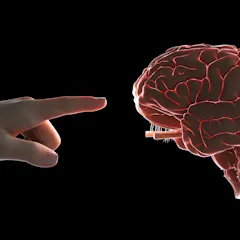
When designing neuroprosthetic devices for users to control with their thoughts, engineers must take into account the sensory information brains collect from the environment and how it gets processed.

Pinpointing the molecular targets behind the subjective effects of psychedelic drugs could help clinicians and researchers better treat psychiatric conditions.
To think about the ways in which images engage audiences, we can consider Europe’s response to two major refugee crises.

It’s intriguing how some people experience ASMR while others don’t - our latest research suggests that many ASMR responders are highly sensitive “orchids”.
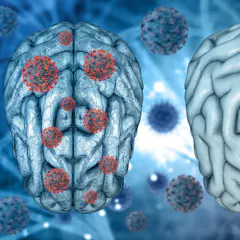
New research offers insights into the brain after COVID-19 that may have implications for our understanding of long COVID-19 and how the disease affects our senses of taste and smell.
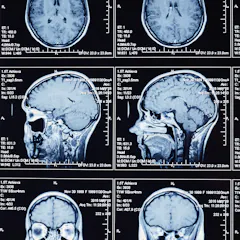
Brain changes including shrinkage, weakened connections and poorer performance on thinking and memory tests could explain ‘brain fog’ after COVID – even after ‘mild’ cases.

Humans can be resuscitated after 10 minutes, so we may have some level of consciousness immediately after death.

Forgetfulness is often regarded as a sign of old age. But what exactly is going on in the brain that makes it more difficult for older people to remember things?

Vaccine hesitancy is often met with one of two responses: Ridicule, or factual information. Both assume a failure of reason, but human behaviour is more complex than reason, so both responses fail.
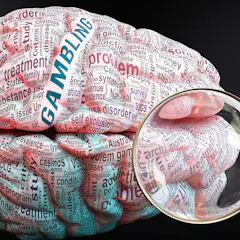
There is evidence to suggest that dopamine plays a key role in gamling addiction.
Top contributors
-

Professor of Clinical Neuropsychology, University of Cambridge
-
Penn State
-
Postdoctoral Research Associate, Cognitive Neuroscience, University of Cambridge
-
Senior Lecturer (Adjunct), Nutritional neuroscientist, Adelaide University
-
Head of Developmental Psychobiology Lab, Deakin University
-
Postdoctoral Researcher in Cognitive Neurosciences, The University of Queensland
-
Senior Research Fellow, Uehiro Centre for Practical Ethics, University of Oxford
-
Professor of Anatomy, University of Bristol
-
Professor Emeritus of Cognitive NeuroImaging, Aston University
-
Professor of Cognitive Neuroscience, Bangor University
-
Senior Research Fellow, The Perron Institute for Neurological and Translational Science, and Faculty of Health Sciences, Curtin University
-
Associate Professor of Family & Community Medicine and Pediatrics, retired, University of California, San Francisco
-
Professor of Behavioral Neuroscience, University of Richmond
-
Lead, Cognition and Consciousness Imaging Group, Division of Anaesthesia, University of Cambridge
-
Associate Professor in Clinical Psychology and Neuropsychology, Trinity College Dublin