

Three scientists describe the fieldwork they’ve had to delay in 2020 because of the pandemic. These are setbacks not just for their careers, but for the body of scientific knowledge.
Articles on Microbiology
Displaying 81 - 100 of 134 articles

Jennifer Doudna and Emmanuelle Charpentier have been awarded the Nobel prize in Chemistry for their revolutionary work on ‘gene scissors’ that can edit DNA.

The atmosphere has a microbiome of bacteria, viruses and fungi that travel around the world on highways in the sky.
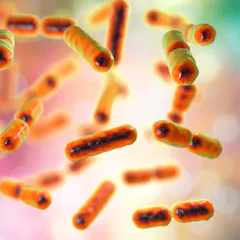
The science behind direct-to-consumer gut microbe testing is in its infancy. Here’s what you need to know if you’ve been tempted to get your microbiome analysed.

Most commercial hand sanitizers are mainly alcohol, but forget about hitting the liquor store and mixing your own.
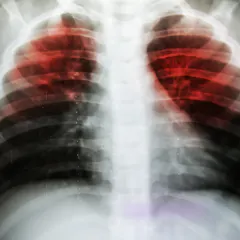
There are more effective ways to give the tuberculosis vaccine.
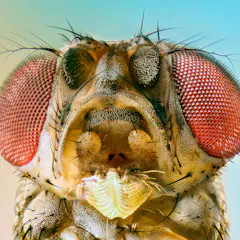
Your taste for cheese and yoghurt may never have been satisfied were it not for illicit microbial sex.
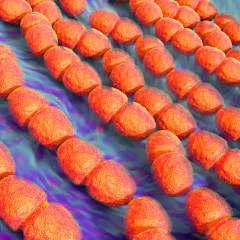
Enterococcus faecalis can on pass its antibiotic resistant genes.
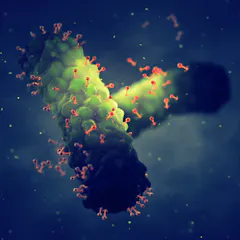
While some viruses make us sick, others can fight against bacteria, or protect us from more harmful viruses.
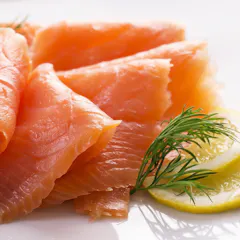
Food safety is in the news again, this tiime after reported deaths from listeria after eating smoked salmon. Here’s what we know so far and what you can do to cut your chance of getting sick.

Traditional water quality test results tell you what was happening at the beach yesterday. More real-time answers can be a boon for public health.

Polio can be circulating through a community long before anyone is paralyzed. Monitoring sewage for the virus lets public health officials short-circuit this ‘silent transmission.’
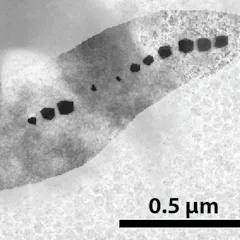
These single-celled organisms naturally respond to the Earth’s weak magnetic field. Scientists are untangling how it all works, looking to future biomedical and other engineering applications.

Canada’s female scientists are superstars in their fields yet most Canadians have never heard of them. On International Day for Women in Science, it’s time to give them the recognition they deserve.

Lynn Margulis (1938-2011) was a courageous scholar whose remarkable work on the role of symbiosis in evolution stands as a magisterial contribution of science.
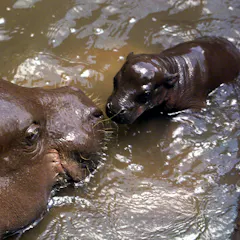
Why are some animals resistant to waterborne disease? A reader wants to know.
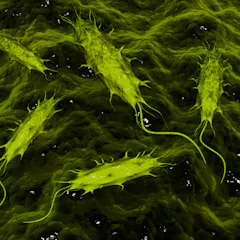
Sometimes the enemy of your enemy is your friend.
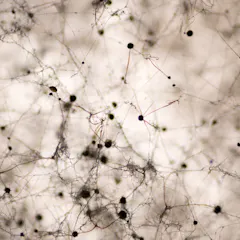
It helped them conquer the world, three billion years ago.
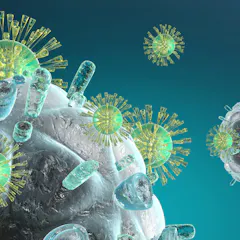
Humans play host to many little passengers. Right now, you’re incubating, shedding or have already been colonised by viral, bacterial, parasitic or fungal microorganisms - perhaps even all of them.
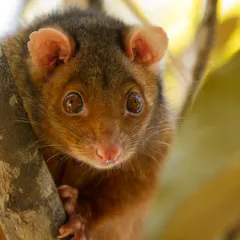
Tularemia is an animal disease that can be transmitted to humans. While it can be fatal, it is rare in Australia and can be treated with antibiotics.
Top contributors
-

Professor of Microbiology and Immunology, Indiana University
-
Professor of Microbiology, Swinburne University of Technology
-
Senior Lecturer in Microbiology, Western Sydney University
-
Senior Lecturer in Clinical Microbiology, University of Leicester
-
Professor of Forensic Sciences, School of Law and Policing, University of Lancashire
-
Senior Lecturer in Medical Microbiology, Western Sydney University
-
Professor of Biological Sciences, University of Maryland, Baltimore County
-
Senior Lecturer in Biology, Brunel University of London
-
Ph.D. Candidate in Microbiology, Cornell University
-
Professor of Microbiology, School of Medicine, University of Washington
-
Associate Professor and Clinical Academic Gastroenterologist, Western Sydney University
-
Regents' Professor & Chair, Medical Laboratory Science, Texas State University
-
Senior Lecturer in Medical Microbiology, Edinburgh Napier University
-
Associate Professor, University of Michigan
-
Professor and Chair of Epidemiology, University of Michigan