

When commemorating our troops, doctors and nurses this Anzac Day, consider also tipping your hat to the discovery of bacteriophages. In the post-antibiotic era, our health might just depend on them.
Articles on Microbiology
Displaying 101 - 120 of 134 articles
Long viewed simply as ‘germs,’ the hidden half of nature turns out to be crucial to the health of people and plants.

The federal government is tackling antimicrobial resistance with a ‘One Health’ approach. But what is One Health and what can it offer that other approaches haven’t?
The answer – fewer than are in a banana – has implications for the study of human health and raises questions about what generates complexity anyway.
How slow diagnosis of bacterial infections is exacerbating our antibiotics problem.

The vast majority of the bacteria that surround us are not free-floating but prefer to band together in cooperative communities called biofilms. How do biofilms form and cooperate?

Many of us shirk at the thought of bacteria or fungus in our food, but without them, we wouldn’t have many of our favourite foods.

Cat-borne parasites that may affect human aggression aren’t the only microscopic freeloaders that influence their hosts’ brains.

One common terrestrial bacterium has been found to grow in the microgravity of the International Space Station than on Earth, although it remains a mystery why.
While many of the fruits of the human genome project could be decades away, DNA sequencing of drug-resistant bacteria has been striding forwards
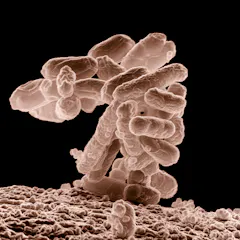
Our personal collection of microbes is vital for gut health - but new research shows that large-scale analysis of our ‘microbiomes’ can show if a population is fat or lean. The answer is in sewage.

We’ve long known that that the gut is responsible for digesting food and expelling the waste. More recently, we realised the gut has many more important functions and acts a type of mini-brain, affecting…
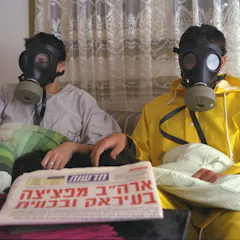
Human skin is a garden of microbes which is home to about 1,000 bacterial species. Most are benign but some invade the skin and cause illness – and of these, antibiotic resistant bacteria are particularly…
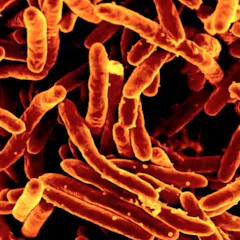
Trillions of microbes live in and on our body. We don’t yet fully understand how these microbial ecosystems develop or the full extent to which they influence our health. Some provide essential nutrients…
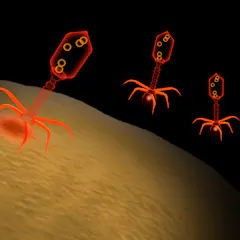
Bacterial diseases cause millions of deaths every year. Most of these bacteria were benign at some point in their evolutionary past, and we don’t always understand what turned them into disease-causing…
New links between the bacteria in your gut and disease are being made almost daily. We know, for instance, that the microbial communities residing in your intestines have a role in your mood and levels…
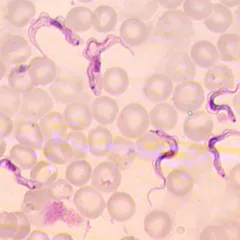
There is no denying that humans think sex is important, but it also matters for microbes. Sex allows genes from two parents to be mixed, leading to new combinations of genes in the offspring. In the past…

Beneath the lush forests of the Amazon is a whole different level of diversity that new research says may be one of the keys to understanding how to stem the global impacts of deforestation. The Amazon…

Striking new evidence indicates that the gut microbiome, the ecological community of microorganisms that share our body, has a huge effect on brain function – much larger than we thought. It has long been…
Methanosaeta, one of the earth’s most prominent methane producing micro-organisms, converts CO2 to methane by making electrical…
Top contributors
-

Professor of Microbiology and Immunology, Indiana University
-
Professor of Microbiology, Swinburne University of Technology
-
Senior Lecturer in Microbiology, Western Sydney University
-
Senior Lecturer in Clinical Microbiology, University of Leicester
-
Professor of Forensic Sciences, School of Law and Policing, University of Lancashire
-
Senior Lecturer in Medical Microbiology, Western Sydney University
-
Professor of Biological Sciences, University of Maryland, Baltimore County
-
Senior Lecturer in Biology, Brunel University of London
-
Ph.D. Candidate in Microbiology, Cornell University
-
Professor of Microbiology, School of Medicine, University of Washington
-
Associate Professor and Clinical Academic Gastroenterologist, Western Sydney University
-
Regents' Professor & Chair, Medical Laboratory Science, Texas State University
-
Senior Lecturer in Medical Microbiology, Edinburgh Napier University
-
Associate Professor, University of Michigan
-
Professor and Chair of Epidemiology, University of Michigan