

Enigmatic organisms called archaea can harvest energy from hydrogen, and new research is revealing exactly how they do it.
Articles on Microbiology
Displaying 41 - 60 of 134 articles
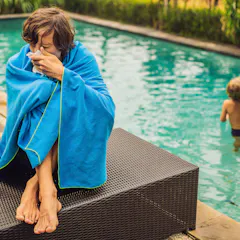
Common summer activities can expose you to a host of infectious diseases. But there are simple steps you can take to protect yourself from pathogens ranging from E. coli to T. gondii.
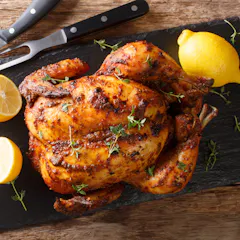
Can the virus transfer from infected farm animals to contaminate milk, meat or eggs? It depends on where you are and how well you cook your food. But for most of us, the chances are low.
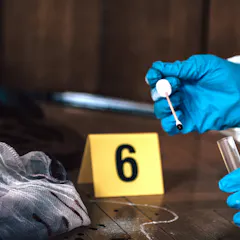
A uniquely identifying population of bacteria can survive on clothes for months after a person wears them.

Scientists are discovering viral genetic sequences in the wild faster than they can analyze them. A kind of ChatGPT for proteins can help make sense of all that data.
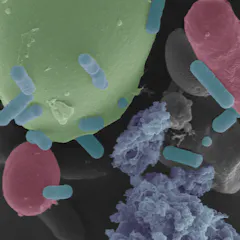
You can thank yeast and bacteria for the distinctive taste and smell of the oldest leavened bread in history.

From kimchi to kombucha and sauerkraut to sourdough, many traditional food staples across cultures make use of fermentation. And these variations are reflected in your microbiome.
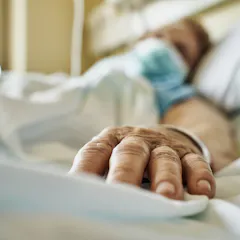
Most infection prevention guidelines center on the hospital environment rather than the patient. But the source of antibiotic-resistant microbes is often from the patient’s own body.

Your skin heals from cuts and scrapes on its own − what if concrete could do that too?
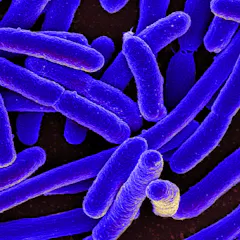
The Nobel Prize-winning Luria−Delbrück experiment showed that random mutations in bacteria can allow them to develop resistance by chance.

Sugar molecules called glycans cover the surface of all cells, acting as ID cards that broadcast what they are to the rest of the body.

While every week or two will generally suffice for sheets, towels are best washed every few days. A microbiologist explains.

Zosurabalpin is highly effective against dangerous bacterium Crab, which can kill up to 60% of people infected with it.
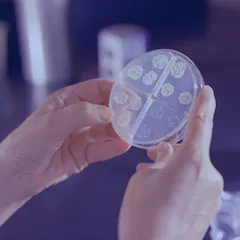
Resistance arises when bacteria are exposed to levels of antibiotics that don’t immediately kill them. Here’s how.
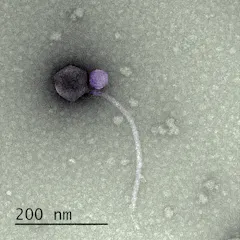
Researchers discovered a satellite virus latching onto the neck of another virus called MindFlayer. Studying the viral arms race between similar viruses could lead to new ways to fight infections.

You’ll never look at bagged lettuce the same way again.

With the help of the microbes that once played an essential role in keeping you alive, the building blocks of your body go on to become a part of other living things.
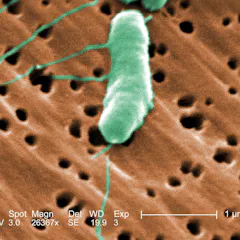
Warmer ocean waters are fueling the spread of the bacteria Vibrio vulnificus. Infections can lead to a rare but fatal condition called necrotizing fasciitis.
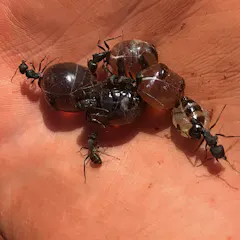
Experiments show honey from Australian desert ants has potent antimicrobial power.
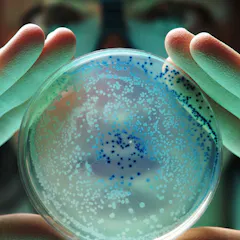
Researchers uncovered the foundations of biology by using E. coli as a model organism. But over-reliance on this microbe can lead to knowledge blind spots with implications for antibiotic resistance.
Top contributors
-

Professor of Microbiology and Immunology, Indiana University
-
Professor of Microbiology, Swinburne University of Technology
-
Senior Lecturer in Microbiology, Western Sydney University
-
Senior Lecturer in Clinical Microbiology, University of Leicester
-
Professor of Forensic Sciences, School of Law and Policing, University of Lancashire
-
Senior Lecturer in Medical Microbiology, Western Sydney University
-
Professor of Biological Sciences, University of Maryland, Baltimore County
-
Senior Lecturer in Biology, Brunel University of London
-
Ph.D. Candidate in Microbiology, Cornell University
-
Professor of Microbiology, School of Medicine, University of Washington
-
Associate Professor and Clinical Academic Gastroenterologist, Western Sydney University
-
Regents' Professor & Chair, Medical Laboratory Science, Texas State University
-
Senior Lecturer in Medical Microbiology, Edinburgh Napier University
-
Associate Professor, University of Michigan
-
Professor and Chair of Epidemiology, University of Michigan