

Lynn Margulis (1938-2011) was a courageous scholar whose remarkable work on the role of symbiosis in evolution stands as a magisterial contribution of science.
Articles on Microbes
Displaying 161 - 180 of 221 articles
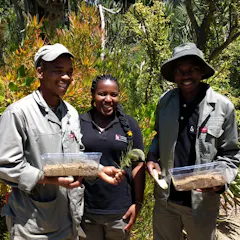
Humans - the very “carriers” who can spread dangerous microbes unthinkingly from their equipment and shoes - can instead become the first line of defence against a possible microscopic invasion.
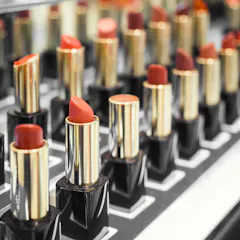
A range of pathogens might be lurking in makeup testers, from the mild to the deadly.
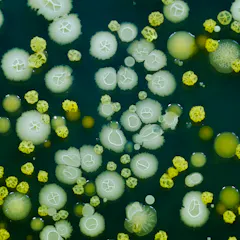
When jetting off on holiday, we rarely give a second thought to what microbes we might be taking with us. But humans spread trillions of bacteria around the globe, potentially harming ecosystems’ balance.

Help us put this old wives’ tale to a scientific test.
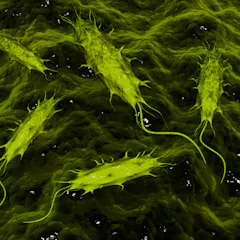
Sometimes the enemy of your enemy is your friend.
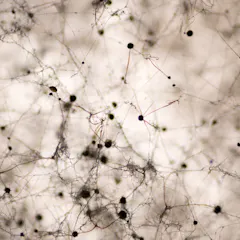
It helped them conquer the world, three billion years ago.
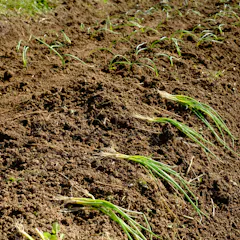
Healthy soil teems with bacteria, fungi, viruses and other microorganisms that help store carbon and fend off plant diseases. To restore soil, scientists are finding ways to foster its microbiome.

The volcanoes would be a great place t to search for fossilised microbes.
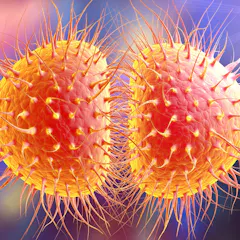
Without leading edge innovations and coordination, Canadians will die from the epidemic of antibiotic resistant infections.
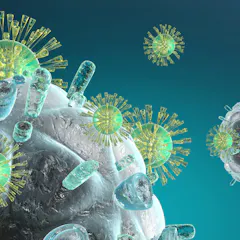
Humans play host to many little passengers. Right now, you’re incubating, shedding or have already been colonised by viral, bacterial, parasitic or fungal microorganisms - perhaps even all of them.
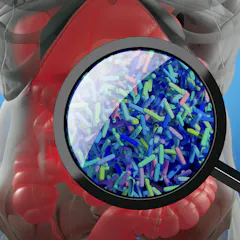
Trillions of microorganisms living inside your digestive system may influence your health and even your weight. Here’s how your gut may communicate with your brain, bone marrow and immune system.

For most of the twentieth century, we were at war with microbes, leading to substantial changes in our body’s ecosystem. This has changed our diets, disease profile, moods and even personalities.

What’s on your cash? Studies show our money carries everything from pet DNA and old food to E.coli and traces of cocaine.
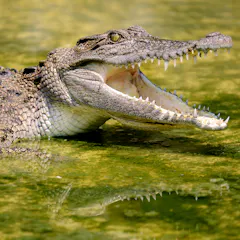
Until recently we didn’t know much about which antibiotic is best for people who have been attacked by a crocodile.
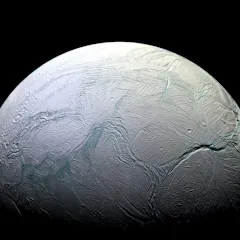
New findings make it hard to imagine a more important goal for solar system exploration than searching for microbial life in Enceladus’ internal sea.

The impact of plant disease may be reduced if people are made aware of the many pathways for plant-killing microbes – and why preventing their spread matters to us all.
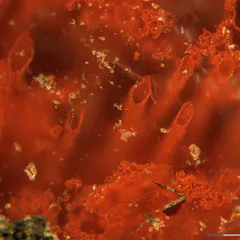
Tiny tubes and filaments of iron found in rocks in Canada turned out to be the remains of microbes from over 3.7 billion years ago.
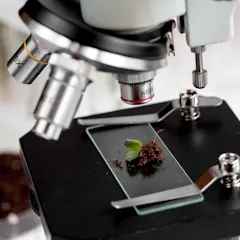
Microbial-based solutions for agriculture are among some of the new innovations having an impact on the sector in the developed world.
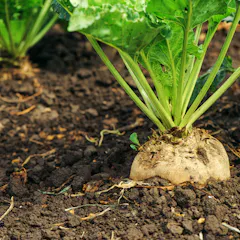
Researchers are developing biological tools that can boost crop yields to feed a growing world population without harming human health or the environment.
Top contributors
-

Senior Lecturer in Clinical Microbiology, University of Leicester
-
Professor of Planetary Geosciences, The Open University
-
Associate Professor, Department of Entomology; African-American Studies, University of Illinois Urbana-Champaign
-
Doctoral Candidate in Microbiology, University of Oregon
-
Professor of Microbiology and Immunology, Indiana University
-
Senior Lecturer in Biology, Brunel University of London
-
Ecologist and Researcher, Flinders University
-
Associate Professor of Gastroenterology, School of Medicine, University of Washington
-
Professor emeritus, Colorado State University
-
Assistant Professor of Animal and Veterinary Sciences, University of Maine
-
Professor of Microbiology, Swinburne University of Technology
-
Professor of Biochemistry and Biomedical Sciences, McMaster University
-
Professor of microbiology, Manchester Metropolitan University
-
Postdoctoral Research Fellow, Washington State University
-
Senior Lecturer in Pharmaceutical Sciences, RMIT University