

We’ve come a long time since women were deemed too “hormonal” to be sent into space. Yet gender bias is an issue women in the field still reckon with every day.
Articles on Menstruation
Displaying 61 - 80 of 159 articles
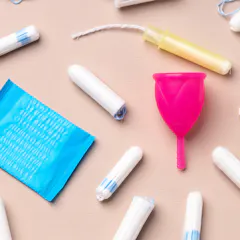
This is not cause for concern, but it’s important information to have.
It would take huge numbers of people submitting bad data to affect the algorithms behind period tracking apps, but even then it would be more harmful than helpful.

A severe shortage of tampons alongside sharp price increases have sparked concerns that lower-income women may have difficulty accessing menstrual products.
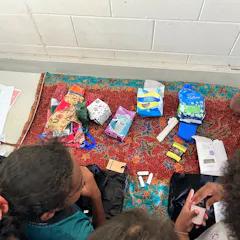
The Queensland government’s announcement this month of free period care products for state schools is laudable. But have they considered reusable alternatives, or remote and Indigenous students?
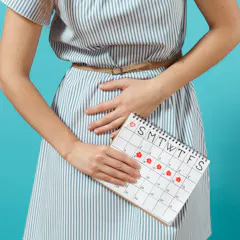
Period delay tablets may help you take control of your menstrual cycle – but only if used properly.
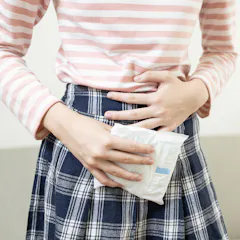
Even though every second person will get their period, it can still come as a shock. Parents can help with good information and support.
While Australians should have access to menstrual leave, they also need period-friendly policies to manage their symptoms.
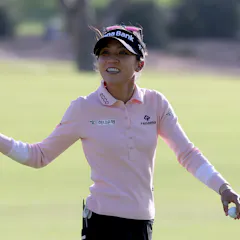
A new wave of women in sport science is helping us see how women can perform at their best with their menstrual cycle. But there are still gaps and silences – which is why Lydia Ko’s comment matters.
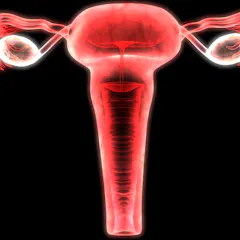
As it debunks old myths and uncovers previously ignored facts, science is finding that the vagina is both complex and busy.
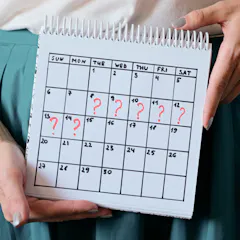
The coronavirus, vaccines and pandemic stress have all been linked to disruptions to people’s menstrual cycles.
Reproductive leave policies can help workers who are trying to start a family, dealing with painful periods or going through menopause.
Menstruating women who sleep less than six hours a night suffer worse periods. But leading treatments for insomnia rarely look at menstrual health.
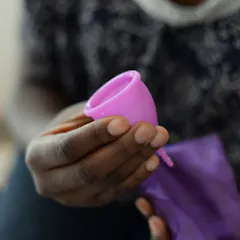
Menstruation cups are increasingly being used as an environmentally friendly alternative to tampons and sanitary pads.
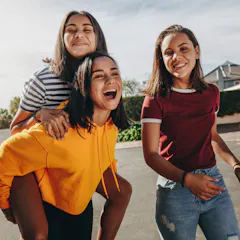
To truly meet the needs of women, adolescent girls, and all people who menstruate, we need to address four key areas.
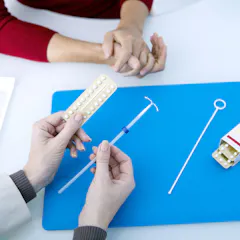
Despite side effects, women continue to take contraceptives because there are no better options available.
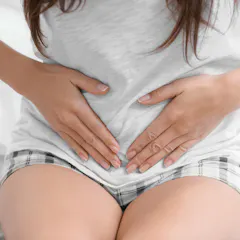
When it comes to teaching about cycles in schools, the period dominates the story — but it’s important we teach about the ovulation part of the cycle, too.

Researchers have explored many factors that affect iron levels, including diet and exercise, but we don’t yet fully understand the role women’s reproductive hormones play in regulating iron uptake.
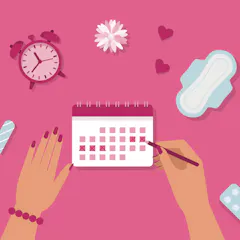
Reports have suggested some women are experiencing changes to their menstrual cycles after having a COVID vaccine.

Taking sufferers’ accounts seriously is the linchpin to improvement.
Top contributors
-

Associate Professor at NICM Health Research Institute, Western Sydney University
-
Senior Lecturer, The University of Melbourne
-
Associate Professor of Sociomedical Sciences, Columbia University Mailman School of Public Health
-
Senior Lecturer, School of Business, Western Sydney University
-
Reader in Gender Studies, Liverpool John Moores University
-
Visiting Fellow in Menstrual Physiology, King's College London
-
Associate Professor in Physiology, School of Health, University of the Sunshine Coast
-
Associate Professor, York University, Canada
-
Professor of Adolescent Health, Co-Head of the General Practice Clinical School, University of Sydney
-
Professor of Women's Health Psychology, Translational Health Research Institute (THRI), Western Sydney University
-
Research Fellow, University of Aberdeen
-
Associate Professor in Public Health, The University of Queensland
-
Professor Emerita, Classical Studies, The Open University
-
Professor of Psychiatry, Monash University
-
Professor of Life Course Epidemiology, Faculty of Medicine, The University of Queensland