
A new book on puberty has explored why we find it so difficult to talk about puberty, and why we need to start talking about it earlier.
Articles on Menstruation
Displaying 121 - 140 of 159 articles
Gender is important in defining susceptibility and exposure to a number of mental health risks. Gender can also explain differences in mental health outcomes.
Contemporary artists from Judy Chicago to Stelarc have made art from blood. And an exhibition at Melbourne’s new Science Gallery addresses our ambivalent attitudes to this life-giving fluid.

A new study suggested that menstruating does not impact a woman’s mental performance. But the relationship between hormones and the brain isn’t that simple.

Our report shows poor hygiene in remote Indigenous communities is responsible for girls missing school during their periods due to lack of products and knowledge, and feelings of shame. .
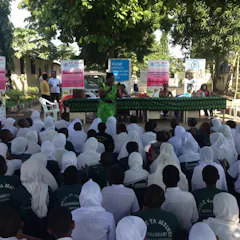
For millions of girls and women, menstruation is a burden. Here’s why helping displaced and poor women and girls with their periods is a way to show true respect for them.
A new study found a woman’s partner can help decrease PMS symptoms, rather than exacerbating them.
Girls who have their first period at a young age are more likely to experience poorer health as a adult, including an elevated risk of diabetes during pregnancy.
In developing countries, many girls feel unprepared when they go through puberty. And research indicates that low-income girls in the US may feel the same way.
Nothing could be more personal, more intimate, than how women manage their periods. Doing so effectively can only be done with quality information.

Women often say their periods begin at the same time as their friends’.
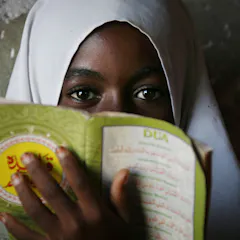
When girls know that they have access to hygienic, safe sanitary products they are less likely to skip school while menstruating.

Menstruation is a fact of life – but in many parts of Africa, it’s something that young women dread. A South African research group is working to change this.
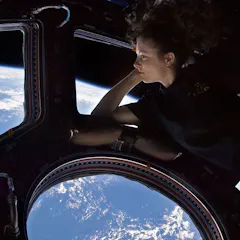
We are only starting to understand the impact of space travel on women’s health. But a new study has just made it easier for astronauts to decide whether they want to stop their periods.
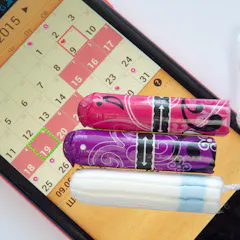
A British company has announced it is bringing in menstrual leave, but the notion presents a number of risks for women and equality.
A British company has just introduced menstrual leave for female employees. But such a policy risks creating a blanket expectation that all women are crippled by their periods.
We must try harder to explore what causes endometriosis and not reinforce theories that imply fault on a woman’s part, or are shaped by old ideas about women’s roles and bodies.
There are endless euphemisms for women’s conditions and body parts. If you can’t name a body part, how can you seek medical help if something appears to be wrong with it?
Women visit the GP more than men, particularly between the ages of 15 and 44. This difference is partly due to the management of gynaecological and reproductive issues.
Ask any young woman whether she feels embarrassed by her periods and she’ll likely deny it. Her grandmother might have hidden all evidence of “the curse” but not today’s liberated women. Right?
Top contributors
-

Associate Professor at NICM Health Research Institute, Western Sydney University
-
Senior Lecturer, The University of Melbourne
-
Associate Professor of Sociomedical Sciences, Columbia University Mailman School of Public Health
-
Senior Lecturer, School of Business, Western Sydney University
-
Reader in Gender Studies, Liverpool John Moores University
-
Visiting Fellow in Menstrual Physiology, King's College London
-
Associate Professor in Physiology, School of Health, University of the Sunshine Coast
-
Associate Professor, York University, Canada
-
Professor of Adolescent Health, Co-Head of the General Practice Clinical School, University of Sydney
-
Professor of Women's Health Psychology, Translational Health Research Institute (THRI), Western Sydney University
-
Research Fellow, University of Aberdeen
-
Associate Professor in Public Health, The University of Queensland
-
Professor Emerita, Classical Studies, The Open University
-
Professor of Psychiatry, Monash University
-
Professor of Life Course Epidemiology, Faculty of Medicine, The University of Queensland