
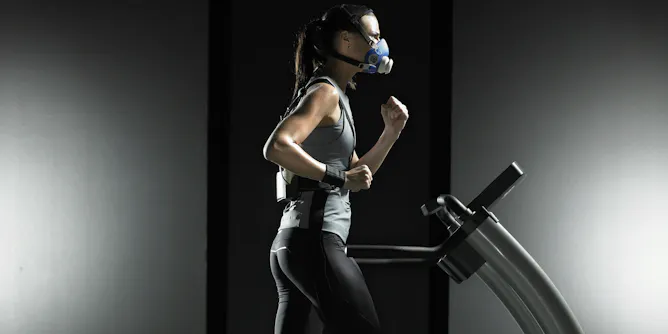
The assumption that has kept women out of so many physiology studies for years — uncertainty about potential fluctuations due to menstrual cycles or hormonal birth control — turns out to be incorrect.
Articles on Menstrual cycle
Displaying 1 - 20 of 42 articles

‘Cycle syncing’, an increasingly popular practice among elite female athletes, involves aligning your training schedule to the phases of your menstrual cycle.

Some period trackers can import information from other apps and wearables, and data can be used by third parties, sometimes without app users’ consent.

Polycystic ovary syndrome affects many parts of the body, not just the ovaries.

Oestrogen and progesterone aren’t just about reproduction. They shape everything from our sleep to our mental health.

The symptoms of a burst ovarian cyst can be similar to other serious conditions, such as appendicitis or an ectopic pregnancy.

Premenstrual dysphoric disorder affects between 3-8% of the population.

Our research suggests that psychology plays a role in causing this common and extremely painful condition.

Apps that track your menstrual cycle are part of a ‘femtech’ boom claiming to revolutionise women’s health. But many base predictions on an outdated idea of what’s normal.

Pre-menstrual dysphoric disorder was only recently recognized as a mental health condition, so many health-care providers may also be new to understanding this hormone sensitivity and its treatment.

Women typically suffer from more headaches than men, and some people experience migraines only during menstruation.
Most doctors ask about the menstrual cycle at well-checks in order to inquire about menstrual problems, pregnancy or menopause. Few recognize that menstruation is a cornerstone of overall health.

Why are some individuals at greater risk for developing opioid dependence and addiction? Two neuroscientists at Rowan University discuss their latest findings.
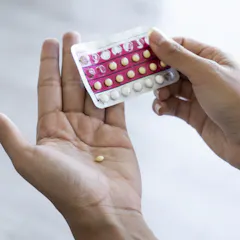
A neuroscientist explains how hormonal contraceptives work − and how stress may increase or decrease depression risk while on them.

Education needs to address the big gaps in the knowledge around the menstrual cycles and the impact menstruation has on a wide range of health outcomes.

The study found women were at the greatest risk of suicide during the secretory and proliferative phases of their menstrual cycle.

Oral contraceptives modify the menstrual cycle. What’s less well known is that they also reach the brain, particularly the regions important for regulating emotions.
Understanding our menstrual cycle and taking a proactive approach to our periods is vital to improving sports performance.

Experts examine the five questions they commonly hear from women and girls about their hormones and ADHD symptoms.

Fluctuations in sex hormones are associated with inflammation peaks and troughs. These could potentially influence athletic performance.
Top contributors
-

Associate Professor of Sociomedical Sciences, Columbia University Mailman School of Public Health
-
Professor of Exercise Physiology, Anglia Ruskin University
-
Lecturer in Public Health, University of the West of Scotland
-
Professor of Reproductive Medicine, University of Hull
-
Specialist Registrar in Psychiatry, University of Oxford
-
Assistant Professor of Cell Biology and Neuroscience, Virtua Health College of Medicine & Life Sciences, Rowan University
-
Senior Lecturer in Applied Health and Social Care, Edge Hill University
-
Reader in Gender Studies, Liverpool John Moores University
-
Postdoctoral research fellow, Adelaide University
-
Senior Lecturer in Nutrition and Dietetics, University of Canberra
-
Professor of Endocrinology and Metabolism, University of British Columbia
-
Doctorante en psychologie, Université du Québec à Montréal (UQAM)
-
Psychologist and Research Associate in the Department of Paediatrics, Monash University
-
PhD Candidate in Sport and Exercise Science, Anglia Ruskin University
-
Assistant Professor in Psychology, Durham University