
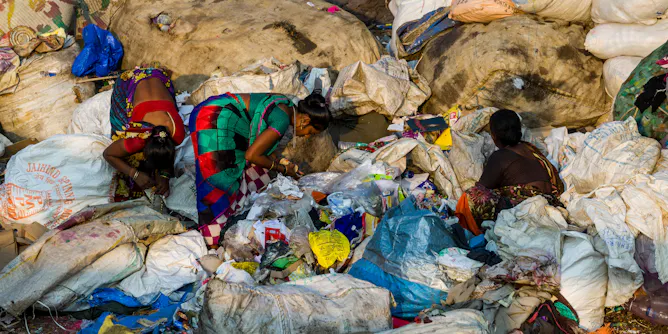
Cultural sensibilities around feminine hygiene products are contributing to a growing environmental crisis.
Articles on Menstruation
Displaying 81 - 100 of 159 articles

A trial program will provide free period products in schools in New South Wales, like South Australia and Victoria already do. The rest of Australia must follow suit.
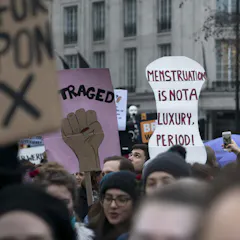
The building blocks towards reducing stigma go far beyond providing period products
A nationwide online survey collected information from 4,202 teenagers and young women in Australia, about how their periods affected their education – either at school, university or VET.
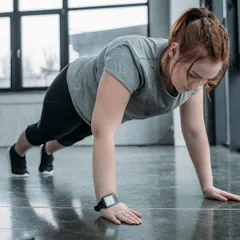
Hormonal changes mean during the first half of a woman’s menstrual cycle, she’ll have more energy and recover more quickly. This is the time to train hardest.
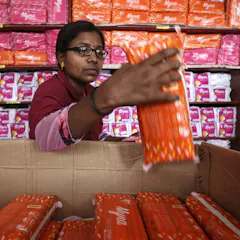
The future of periods could be sustainable and cheap – but action is needed.
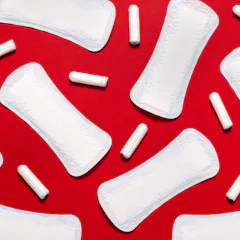
Challenges that women and girls in low-income areas face have been worsened by measures taken to slow the spread of COVID-19.
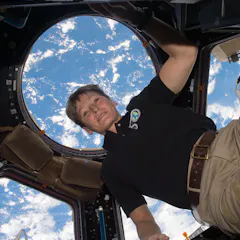
Female astronauts may be better off avoiding combined hormonal contraceptive pills to control their periods in space, according to new research.
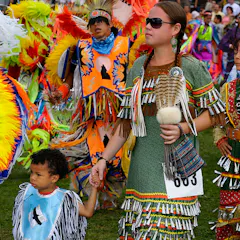
Historically, indigenous people celebrated a girl’s transition to womanhood with a year-long ritual. Many such ritual practices were made ‘illegal’ by the US and Canadian governments.
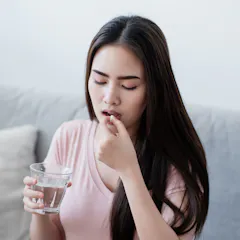
A Twitter storm recently erupted over claims ibuprofen can reduce menstrual flow by up to 50%. There is some evidence ibuprofen could make your period lighter – but not by this much.
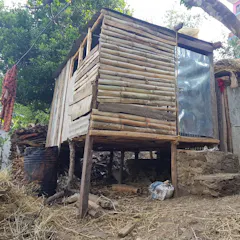
Criminalising this practice has not brought it to an end.
Menopausal women who were abused as children experience more hot flushes while sleeping than those who were not abused, according to recent research.
Women will experience symptoms in the time leading up to menopause. This period is known as perimenopause.
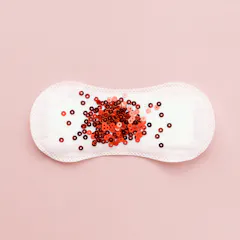
A new advertising campaign for pads that features blood marks a moment when new attitudes to menstruation are gaining traction.
The research, mostly in mice, delivers some interesting new insights about endometriosis but we still haven’t found the cause, let alone a cure.
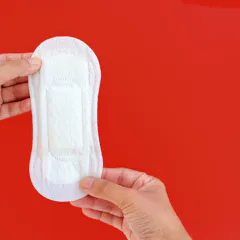
There is little evidence that pads alone will keep girls in school – stigma, lack of appropriate infrastructure, and embarrassment need to be dealt with too.
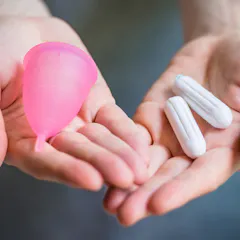
A recent study found menstrual cups were as safe as tampons and had similar or lower levels of leakage.
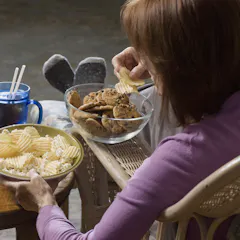
Women might find themselves reaching for sweets and potato chips in the two weeks before their period, even if they don’t have a diagnosis of PMS. An OBGYN explains these cyclical food cravings.
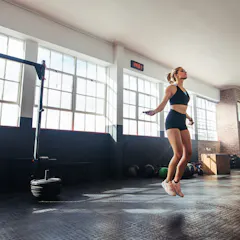
Exercise can help relieve period pain.
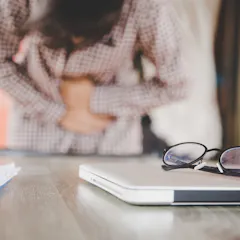
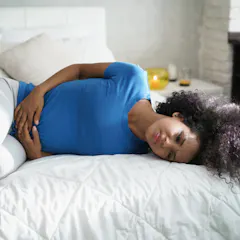
Period pain is common, and the evidence shows it can hinder a woman’s performance at school, university and work. To tackle this problem, we need to start talking about it.
Top contributors
-

Associate Professor at NICM Health Research Institute, Western Sydney University
-
Senior Lecturer, The University of Melbourne
-
Associate Professor of Sociomedical Sciences, Columbia University Mailman School of Public Health
-
Senior Lecturer, School of Business, Western Sydney University
-
Reader in Gender Studies, Liverpool John Moores University
-
Visiting Fellow in Menstrual Physiology, King's College London
-
Associate Professor in Physiology, School of Health, University of the Sunshine Coast
-
Associate Professor, York University, Canada
-
Professor of Adolescent Health, Co-Head of the General Practice Clinical School, University of Sydney
-
Professor of Women's Health Psychology, Translational Health Research Institute (THRI), Western Sydney University
-
Research Fellow, University of Aberdeen
-
Associate Professor in Public Health, The University of Queensland
-
Professor Emerita, Classical Studies, The Open University
-
Professor of Psychiatry, Monash University
-
Professor of Life Course Epidemiology, Faculty of Medicine, The University of Queensland