

Pupils are still struggling to access menstrual products for use during lessons and exams.
Articles on Period poverty
Displaying all articles

Addressing inequality surrounding menstruation should include a decent amount of accessible washrooms. It also means ready access to sinks and soap to wash reusable products with dignity.

Punishing parents of truant children misses factors – such as poverty and hunger – keeping some children out of school.

The tournament is an opportunity to dispel period myths and put a focus on the specific needs of athletes who menstruate.

Free period products and being able to deal with your period without shame or restrictions should, however, be a basic human right.

Support services have seen requests for period products and menstrual health advice increase during the pandemic.
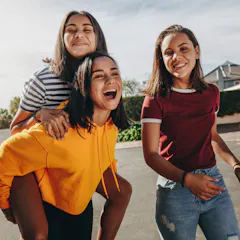
To truly meet the needs of women, adolescent girls, and all people who menstruate, we need to address four key areas.
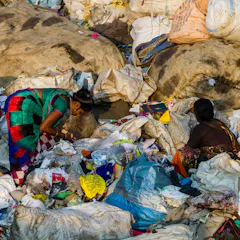
Cultural sensibilities around feminine hygiene products are contributing to a growing environmental crisis.

A trial program will provide free period products in schools in New South Wales, like South Australia and Victoria already do. The rest of Australia must follow suit.
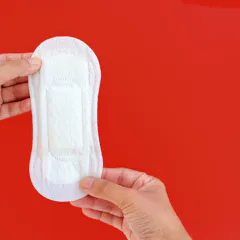
There is little evidence that pads alone will keep girls in school – stigma, lack of appropriate infrastructure, and embarrassment need to be dealt with too.

Chhaupadi, the practice of exiling menstruating women and girls from their home, often to a cow shed, is still practised in some areas of Western Nepal.

Having a ‘period’ on the pill is far from necessary.
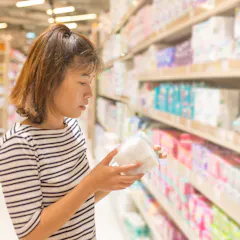
Scotland’s commitment to providing all students with free monthly supplies is showing the world how period poverty can be tackled.

The Scottish club’s move to support women’s struggles with menstruation and sport is the first of its kind.
Companies should abide by a set of principles in their engagement in schools to ensure they provide accurate and positive portrayals of menstruation.
Period product brands may appear all ‘woke’ and taboo busting, but we shouldn’t forget they helped create the taboos in the first place.
Because some people find it difficult to comprehend…
Top contributors
-

Reader in Gender Studies, Liverpool John Moores University
-
Research Fellow, University of Aberdeen
-
Associate Professor, York University, Canada
-
Senior Lecturer, School of Business, Western Sydney University
-
Honorary Research Fellow, University of Sheffield
-
Professor in Development Geography, Coventry University
-
Research Fellow in Gender Inequality in Health and Menstruation, Birmingham City University
-
Professor of Law, University of Waikato
-
Senior Lecturer, Western Sydney University
-
Senior Lecturer, School of Business, Western Sydney University
-
Reader in Development Studies, Liverpool John Moores University
-
Senior Research Fellow; Co-Head, Global Adolescent Health Working Group, Burnet Institute
-
Senior Lecturer in Motor Learning and Skill Acquisition, Western Sydney University
-
Lecturer in Global Health, University of Sydney
-
Associate Professor of Marketing, Coastal Carolina University