
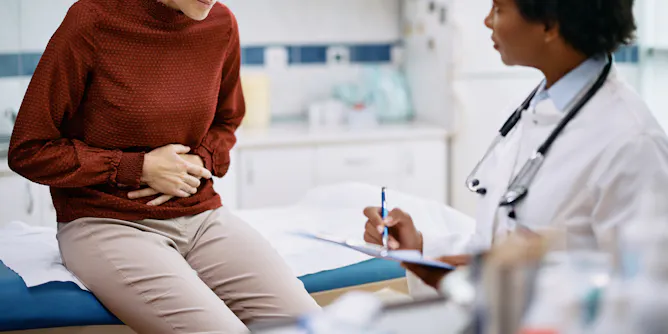
Our research suggests that psychology plays a role in causing this common and extremely painful condition.
Articles on Menstruation
Displaying 21 - 40 of 159 articles
Pupils are still struggling to access menstrual products for use during lessons and exams.
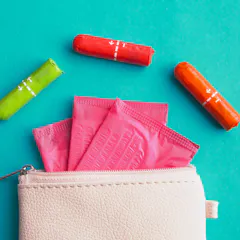
It’s not only being underweight that can cause irregularities in your period.

Clinicians can’t predict who does and doesn’t have endometriosis from symptoms alone.
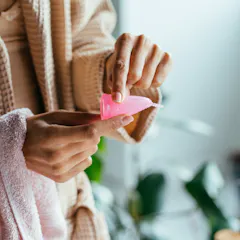
A new study found young Australians often face discomfort and difficulties such as leakage when using menstrual cups, especially at first. This shows the need for more information and support.

Menstrual leave alone cannot address the broader needs of menstruating workers. This is where menstrual flexibility policies come in.
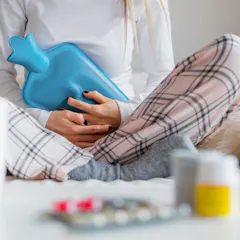
The daily tablet can help reduce pain and inflammation caused by the chronic and often debilitating condition.
How do you know if what you are experiencing is standard premenstrual syndrome – PMS – or something more severe?

Addressing inequality surrounding menstruation should include a decent amount of accessible washrooms. It also means ready access to sinks and soap to wash reusable products with dignity.
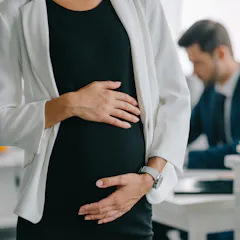
Research shows reproductive health issues are having an impact on the workplace and potentially the economy.
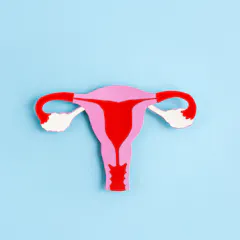
Fewer than one in ten teen girls surveyed could identify when ovulation happens in a menstrual cycle – even though many of them had had their period for years.
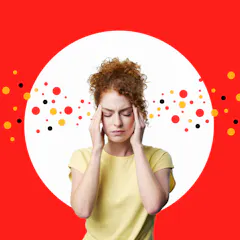
Women typically suffer from more headaches than men, and some people experience migraines only during menstruation.
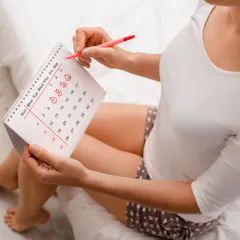
Most doctors ask about the menstrual cycle at well-checks in order to inquire about menstrual problems, pregnancy or menopause. Few recognize that menstruation is a cornerstone of overall health.
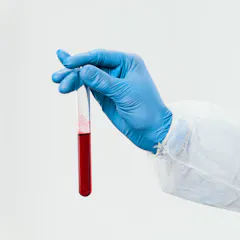
Using menstrual blood as a diagnostic tool may be hailed as a recent innovation but it has a surprisingly long history.
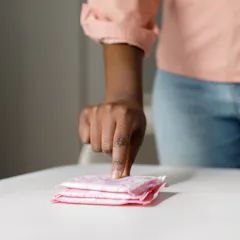
People who menstruate in rural and remote Indigenous communities face a unique set of challenges, and have a particular need for better access to period products.
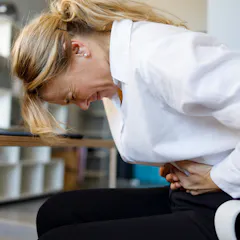
Menstruation is a normal part of life but only a minority of workplaces have policies supporting workers who experience pain and discomfort as a result of their period.
No one seems to be taught about the function of periods. It’s time to take menstrual literacy seriously.

Education needs to address the big gaps in the knowledge around the menstrual cycles and the impact menstruation has on a wide range of health outcomes.

Oral contraceptives modify the menstrual cycle. What’s less well known is that they also reach the brain, particularly the regions important for regulating emotions.
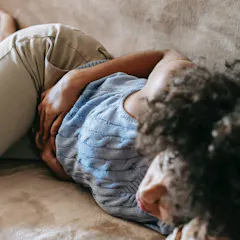
A cup of coffee might help you kick-start your day, but it may actually make painful periods worse. Here’s what else to avoid (and eat) if you have period pain.
Top contributors
-

Associate Professor at NICM Health Research Institute, Western Sydney University
-
Senior Lecturer, The University of Melbourne
-
Associate Professor of Sociomedical Sciences, Columbia University Mailman School of Public Health
-
Senior Lecturer, School of Business, Western Sydney University
-
Reader in Gender Studies, Liverpool John Moores University
-
Visiting Fellow in Menstrual Physiology, King's College London
-
Associate Professor in Physiology, School of Health, University of the Sunshine Coast
-
Associate Professor, York University, Canada
-
Professor of Adolescent Health, Co-Head of the General Practice Clinical School, University of Sydney
-
Professor of Women's Health Psychology, Translational Health Research Institute (THRI), Western Sydney University
-
Research Fellow, University of Aberdeen
-
Associate Professor in Public Health, The University of Queensland
-
Professor Emerita, Classical Studies, The Open University
-
Professor of Psychiatry, Monash University
-
Professor of Life Course Epidemiology, Faculty of Medicine, The University of Queensland