

Growing numbers of women are using testosterone for menopause symptoms, but female-specific products remain scarce and evidence patchy.
Articles on Menopause
Displaying 1 - 20 of 151 articles

Capturing data about the timing and symptoms of menopause could help address many unanswered questions about this common yet ignored experience.
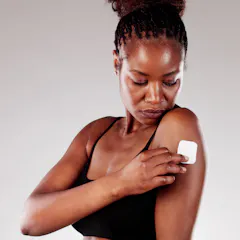
The type of menopause and differences between women taking HRT complicate claims about its potential to prevent dementia.

If you’re looking for #womenshealth on Instagram, a new study shows you’d better be prepared for lots of adverts dressed up as health advice.

Some women can’t take hormone replacement therapy to alleviate hot flashes and night sweats. This medication is one alternative.
Menopausal hormone therapy no longer has the highest-level warning label about the risk of breast cancer, opening a gray area on who would benefit most from treatment.
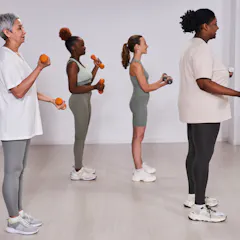
Strength training can help women feel capable and stay healthy throughout their lives.
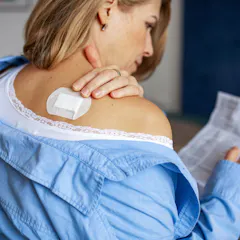
The latest research on menopause hormone therapy is reassuring, showing little to no association with stroke and blood clots, but benefits for bone health.

Heart disease isn’t just a “man’s problem”. Men and women’s bodies handle fats differently in midlife. What are the cardiovascular risk factors and is hormone therapy good for heart health?
Older women and people with diabetes are much more likely to develop this condition. So do physio or steroid injections make a difference? And what about surgery?
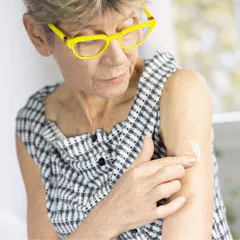
Don’t cut your patches in half, as this stops them working. There’s no need to ration your supplies – here are other options to ease your menopause symptoms.

Collagen production begins to fall in our twenties and drops further after menopause. Sun exposure, smoking and hormones all play a role.

Magnesium, lion’s mane, creatine and collagen are marketed for perimenopause and menopause symptoms. But the evidence shows their benefits may be overstated.
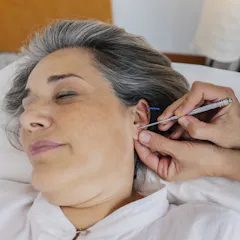
Hot flushes, night sweats or swinging mood changes can be debilitating. So it’s tempting to look to complementary therapies. Here’s what the evidence says.

Half of the world’s population faces the ‘second glass ceiling’, often at the peak of their careers.
Beginning Jan. 1, 2027, Philadelphia will require employers to provide reasonable accommodations to workers suffering from symptoms of hormonal cycles and changes.

Teachers feel unsupported by their schools.

Rachael Mead’s body once carried her across Antarctic ice sheets. At 55, she set out to reclaim her resilience – and what she discovered was surprising.
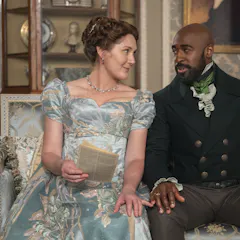
Violet’s storyline reminds us how women over 40 deserve representation as sexually empowered agents – worthy of being seen and valued.
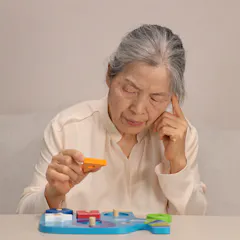
Investigating sex-specific factors could lead to more targeted therapies and better understanding of diseases, such as Alzheimer’s.
Top contributors
-

Chair of Women's Health, Monash University
-
Associate Professor, Cancer Survivorship and Primary Care, Caring Futures Institute, Flinders University; Western Sydney University
-
Associate Professor and Clinical Neuropsychologist, Monash University
-
Honorary Research Fellow, UCL
-
Adjunct Clinical Associate Professor and Endocrinologist, Monash University
-
Associate Professor in Pharmacy Practice, Kingston University
-
Senior Lecturer, School of Business, Western Sydney University
-
Professor of Psychiatry, Monash University
-
Professor of People and Organisations, The Open University
-
Professor of Obstetrics and Gynaecology, The University of Melbourne
-
Adjunct Senior Research Fellow, Global and Women's Health, School of Public Health & Preventive Medicine, Monash University
-
Professor of Law, University of Virginia
-
Professor of Law and Associate Dean for Faculty Development, Pace University
-
Laureate Professor in Nutrition and Dietetics, University of Newcastle
-
Professor in Management,, University of Glasgow