
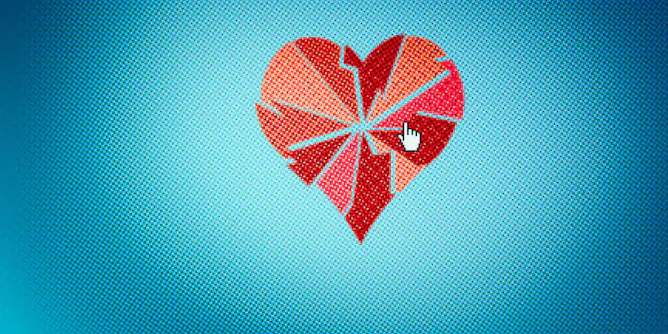
There was once a time when you could simply put old photos and love letters out of sight and out of mind. Editing your ex out of your digital life is a lot trickier.
Articles on Memory
Displaying 121 - 140 of 416 articles
A bear eats a teenager, and inherits his memories. An ageing woman writer buys a tower of her own – where she reimagines the crone from Rapunzel. Two inventive new books resonate with our reviewer.

The good news is memory function may improve again over time.

About half the population of people taking regular medicines don’t take them as prescribed. Here are some tips to help you remember.

Our perception of time changes as we age.
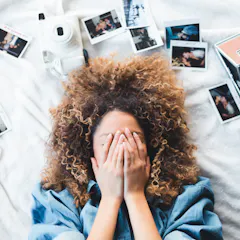
Where do memories come from? And why do they provoke such strong emotions even though the moment may be long passed?
We’ve become used to the term ‘brain fog’ in connection to long COVID. But what is it and how do you know if you have it?
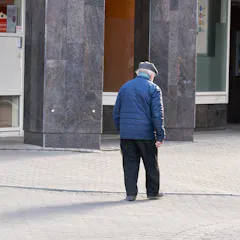
Up to 60% of people with dementia will get lost at some point after diagnosis.
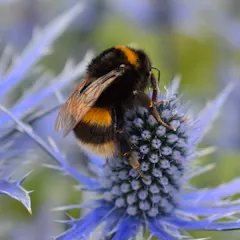
We take it for granted that we can compare multiple memories when faced with a tough choice. But not every animal’s mind works that way.
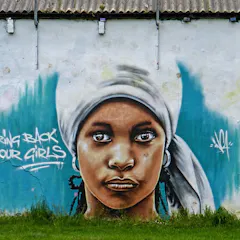
BringBackOurGirls led to a global outcry, but it simplified a complex history that is best understood through survivor accounts.
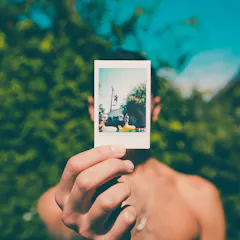
Do we really have ‘core memories’ that shape our personality? The science says things are a little more complicated.

While people have wondered about déjà vu for a long time, only recently have scientists started experimentally investigating what might trigger it.
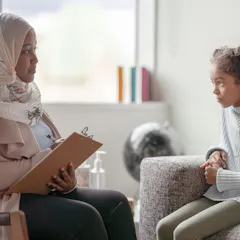
Human memory doesn’t work like a video camera, simply recording a scene as it happens. But researchers know how to help children recall information accurately.
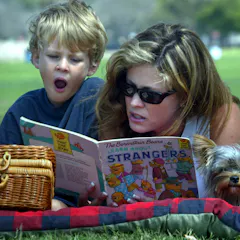
People are puzzled when they learn they share the same false memories with others. That’s partly because they assume that what they remember and forget ought to be based only on personal experience.
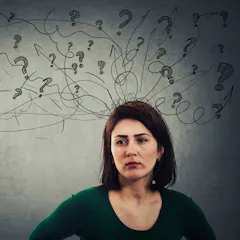
A side-effect of pandemic response measures has been the impact on our mental health. But memory problems are a natural response to the environments created by the lockdowns.
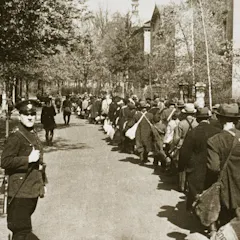
Holocaust scholars long relied on documents and survivor testimonies to help reconstruct the history of that tragic event. Now, they’re turning to wordless witnesses to learn more: pictures.
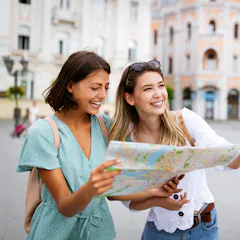
The brain holds on to language knowledge for decades.
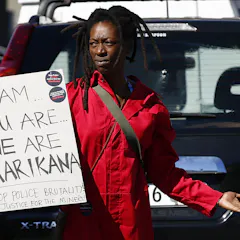
Individual beliefs about the past and its relevance to the present strongly influenced awareness of the Marikana tragedy.
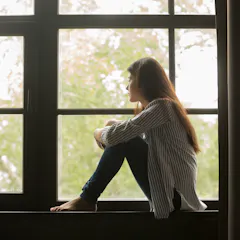
Ex-pats continually reconstruct mental simulations of scenes, smells, sounds and sights from those places – sometimes causing stressful feelings and anxiety.
New research verifies 50 year old theory about memory.
Top contributors
-

Senior Lecturer (Adjunct), Nutritional neuroscientist, Adelaide University
-
Head of Developmental Psychobiology Lab, Deakin University
-
Professor of Educational Psychology, University of Wollongong
-
Associate Professor in Cognitive Science, Western Sydney University
-
Professor of Psychology, Lafayette College
-
Associate professor, University of Sydney
-
Professor of Music Psychology, Durham University
-
Pro Vice-Chancellor (Research Performance and Development) and Professor of Cognitive Science, Macquarie University
-
Professor of Clinical Neuropsychology, University of Cambridge
-
Professor of Anatomy, University of Bristol
-
Reader in Psychology, Aston University
-
Senior Lecturer, The University of Melbourne
-
Professor of Cognitive Psychology, City St George's, University of London
-
Senior Lecturer in Psychology, City St George's, University of London
-
Professor, Neuropsychology, University of Westminster