

Whether we miss them, feel guilty about not having appreciated them more or struggle to forgive them, remembering our parents can hurt. Here’s how to move on.
Articles on Memory
Displaying 201 - 220 of 416 articles
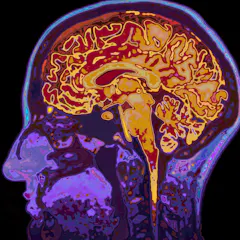
Even though the brain controls virtually everything we do, we often know very little about it.
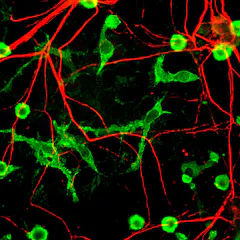
A new study raises hopes of better treatment for amnesia, Alzheimer’s and other conditions affecting memory.

There are two types of knowledge – we’ve evolved to acquire the first naturally; we need schools for the second. Cognitive load theory explains how to teach knowledge we don’t automatically get.

What does a recent ruling on a longstanding religious land dispute mean for the future of India?
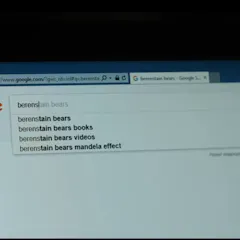
Real-life adherents to the Mandela Effect veer into conspiratorial thinking. But they do hit on an important truth: Our understanding of history is malleable.

Physical inactivity contributes to dementia risk as much as genetics, according to research.

Sugar triggers dopamine “hits” in the brain, making us crave more of it. Sugar also disrupts memory formation.

Simple policies, such as the free bus pass for older adults, not only reduce loneliness but also help older people maintain cognitive function.

The decision to move the Stasi files into the German national archive has sparked debate of how memories of life before reunification should be handled.

Memories can be powerful tools to address humanity’s most difficult political, sociological and environmental problems

The ‘contexual-binding theory’ suggests memories are easier to retrieve when your brain is in a similar context to when the memory was first formed. Food for thought if you’re cramming for an exam.
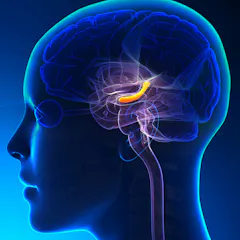
Researchers have discovered that the hippocampus and neocortex work together.
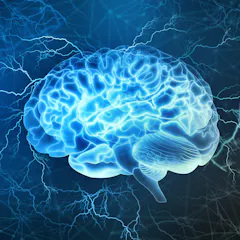
Brain functions integrate and compress multiple components of an experience, including sight and smell – which simply can’t be handled in the way computers sense, process and store data.

There are three types of memory: sensory, working and long-term. Activating sensory memory is the first step to better learning. This means learning through as many senses as possible.

Your memory may be unreliable – but that can be an advantage.

As children’s self-regulatory capacities and the prefrontal regions of their brains develop, so does their ability to carry out their future intentions.
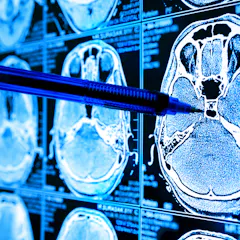
Artificial intelligence holds great promise for medicine, but safeguards are needed to ensure it does not harm patients.

As we get older, our eyesight may dim and our recall may falter. But our linguistic abilities don’t seem to erode.

Not only can plants survive fire, they can use the experience of being burned to prepare themselves for future blazes.
Top contributors
-

Senior Lecturer (Adjunct), Nutritional neuroscientist, Adelaide University
-
Head of Developmental Psychobiology Lab, Deakin University
-
Professor of Educational Psychology, University of Wollongong
-
Associate Professor in Cognitive Science, Western Sydney University
-
Professor of Psychology, Lafayette College
-
Associate professor, University of Sydney
-
Professor of Music Psychology, Durham University
-
Pro Vice-Chancellor (Research Performance and Development) and Professor of Cognitive Science, Macquarie University
-
Professor of Clinical Neuropsychology, University of Cambridge
-
Professor of Anatomy, University of Bristol
-
Reader in Psychology, Aston University
-
Senior Lecturer, The University of Melbourne
-
Professor of Cognitive Psychology, City St George's, University of London
-
Senior Lecturer in Psychology, City St George's, University of London
-
Professor, Neuropsychology, University of Westminster