
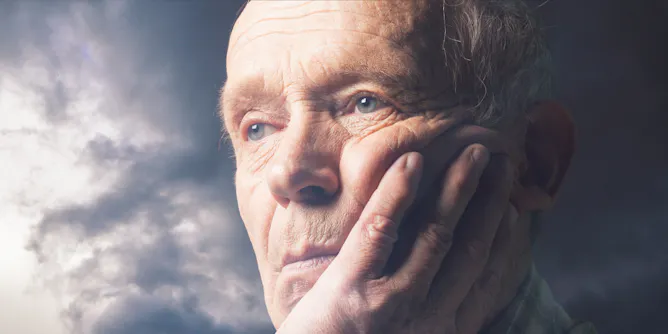
Study of the “memory centres” of the brain in adults offers hope for detecting Alzheimer’s disease earlier – before the onset of memory loss.
Articles on Memory
Displaying 261 - 280 of 416 articles

Neuroscience labs around the world may need to reevaluate some of their assumptions about whether what works in animals will really produce meaningful treatments for people.
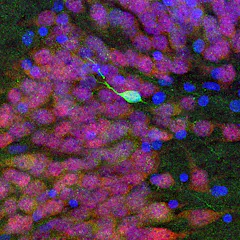
The scientists behind a controversial new study were surprised by their own results. But they carefully did all they could to ‘prove a negative,’ and their neurogenesis study is shaking up the field.

Psychological phenomena have long been thought of as universal. But it turns out scientists may have been blinded by their own culture.

Instead of nagging younger kids “not to forget”, and trusting the power of the child’s developing memory alone, try to help them “offload” as much of the work as possible.
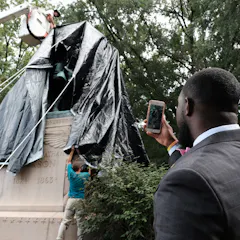
The US has yet to fully undergo a process of truth and reconciliation.

Children and adolescents with obsessive compulsive disorder should be offered extra support at school.

Provincial policies to implement the legal consumption of marijuana are unlikely to protect children and youth. High school teachers and parents will be on the front line.

The benefits of naps are similar to those experienced after consuming caffeine, but without the side effects of caffeine dependence and possibly disrupted sleep at night time.

It can be hard to get into a study groove, but removing distractions, getting enough sleep, self-testing, spacing out your study and creating memory aids can help students succeed.

People who see themselves as conscientious consumers often buy items made by companies that violate their values because it’s hard to keep that information in mind.

To learn why some new nonprofits prosper when others do not requires dealing with the fact that everyone has trouble remembering things the way they happened.

He’s not dumb. He’s not crazy. Donald Trump is instead a mind manipulator, using his Twitter magic wand to exploit so-called malleable memory effect that helps him achieve ultra-right goals.

Responses to the recent discovery of a Nazi swastika raise some awkward questions.

There are many people who are astonished to discover that their complete lack of ability to picture visual imagery is different from the norm.

There are a few reasons why smartphones, tablets and PCs start to seem less snappy over time.

When dementia patients use photos and music to produce digital stories about events in their lives, they start to remember. They also face their fears about the disease, and experience happiness.
Memories of our carefree youth help form our identity today. But memories are selective. So, were we really as wild as we think we were?

Should they stay or should they go?
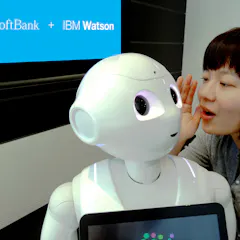
Robots have a lot to learn from humans when it comes to memory.
Top contributors
-

Senior Lecturer (Adjunct), Nutritional neuroscientist, Adelaide University
-
Head of Developmental Psychobiology Lab, Deakin University
-
Professor of Educational Psychology, University of Wollongong
-
Associate Professor in Cognitive Science, Western Sydney University
-
Professor of Psychology, Lafayette College
-
Associate professor, University of Sydney
-
Professor of Music Psychology, Durham University
-
Pro Vice-Chancellor (Research Performance and Development) and Professor of Cognitive Science, Macquarie University
-
Professor of Clinical Neuropsychology, University of Cambridge
-
Professor of Anatomy, University of Bristol
-
Reader in Psychology, Aston University
-
Senior Lecturer, The University of Melbourne
-
Professor of Cognitive Psychology, City St George's, University of London
-
Senior Lecturer in Psychology, City St George's, University of London
-
Professor, Neuropsychology, University of Westminster