
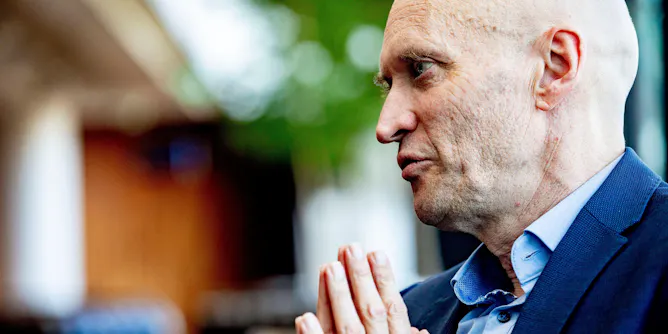
New regulations are being drafted in the Netherlands to allow euthanasia for a small group of children aged one to 12 for whom palliative care is not sufficient.
Articles on Medical ethics
Displaying 41 - 60 of 176 articles
At the Third International Summit on Human Genome Editing, experts gather to discuss the path forward for CRISPR and other gene-editing technologies
As it became clear that the solution to the COVID pandemic would come from medical research, many people volunteered for human challenge trials.

New York City’s plan has garnered the most attention – and criticism – but several cities are expanding their own intervention programs.
Since 2016, Canada’s practice of offering MAID has followed a trajectory of ever-expanding eligibility. The ultimate expansion would make MAID available to anyone who wanted it, for any reason.
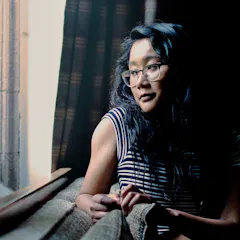
From next year, uterus transplants are being trialled in Australia. But it’s likely to be a while before they becomes mainstream clinical treatment.
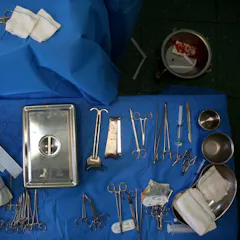
China’s industrial-scale organ trafficking practice has been executing prisoners of conscience and using their organs for transplantation for decades. This is known as forced organ harvesting.
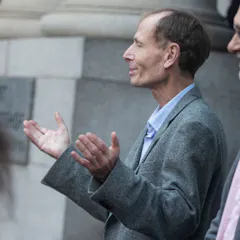
People make decisions throughout their lives about their health. But when they are terminally ill they are not allowed to decide when they want to die.

A bioethicist explains the four ethical principles that guide medical practitioners’ thinking about abortion, such as autonomy and justice.

Refugee camps should only be a temporary solution. They’re no place for ongoing health care.
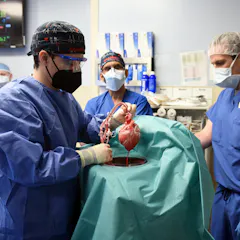
Heart-recipient David Bennett had done jail time for stabbing a man.
In tough conversations, show your respect for loved ones’ autonomy and dignity.
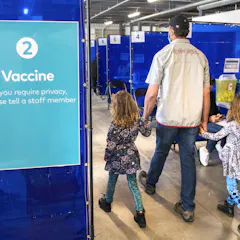
When making the decision whether to vaccinate children aged five to 11 against COVID-19, regulators in Canada must rely on sound ethics as well as sound science.
Potential benefits of human genome editing include new ways to diagnose, treat and prevent genetic disorders. But there’s a significant gap in regulation.
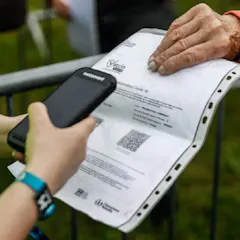
France is requiring people to prove their Covid status in order to access public spaces like cinemas and restaurants. Here’s why that’s a problem.

There are two schools of thought.
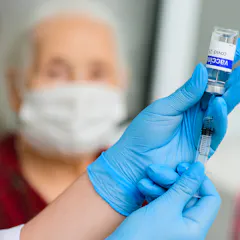
Pausing COVID-19 vaccine rollouts can backfire. There are better ways to manage safety issues while they’re being investigated.

There is a difference between people who deliberately seek out vaccines outside the system, and those who are offered them because they’re about to expire.
Medical decision-making is often based on universal principles of fairness. But what happens when systemic racism means the dice are rigged to begin with?
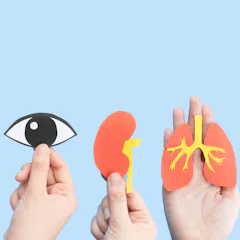
Deemed consent organ donation means that everyone is assumed to be an organ donor unless they opt out, but assuming consent raises some ethical issues.
Top contributors
-

Consultant Neonatologist and Professor of Ethics, University of Oxford
-
Chen Su Lan Centennial Professor in Medical Ethics, National University of Singapore; Distinguished Visiting Professor in Law, University of Melbourne; Uehiro Chair in Practical Ethics, The University of Melbourne
-
Professor of Medicine, Monash University
-
Professor of Bioethics & Medicine, Sydney Health Ethics, Haematologist/BMT Physician, Royal North Shore Hospital and Director, Praxis Australia, University of Sydney
-
Associate Professor of Law (Health Law), Deakin University
-
Professor of Bioethics, Macquarie University
-
Lecturer in Bioethics, Monash University; The University of Melbourne
-
Associate Professor of Philosophy, Gonzaga University
-
Assistant Professor in Biomedical Ethics, National University of Singapore
-
Infectious Disease Ethics Fellow, Ethox & Wellcome Centre for Ethics and Humanities, Univeristy of Oxford. Adjunct, Monash University
-
Senior Lecturer in Ethics and Professionalism, Adelaide University
-
Academic Lead, Ethics and Professional Practice, Griffith University
-
Distinguished Research Professor, Emerita, Dalhousie University
-
Professor, Medical Ethics, Bond University
-
Distinguished Professor in the Department of Medicine and Director, The Centre for Medical Ethics & Law, Stellenbosch University