
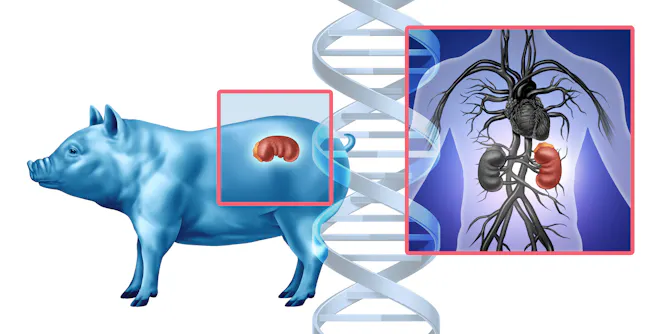
How many human cells does a pig need before it’s considered too human?
Articles on Organ transplantation
Displaying 1 - 20 of 84 articles
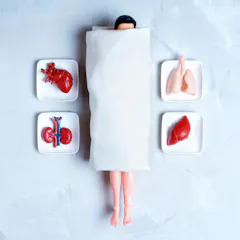
Vladimir Putin claims organ transplants could make us live to 150. But even healthy organs fail with time – ageing can’t be fixed with spare parts.

Vladimir Putin and Xi Jinping were recently caught discussing whether organ transplants could help a person live forever. The idea has scientific and ethical flaws.
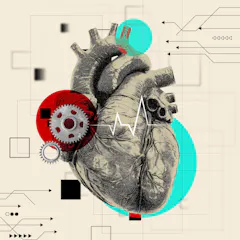
Patients and families need to know how these extraordinary treatments might change how they feel about themselves and the world.
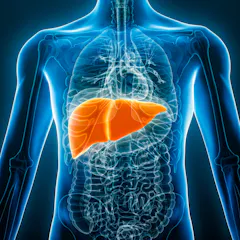
Liver transplants could offer hope to patients with difficult to treat, advanced bowel cancer.

The idea that hearts carry feelings and memories is nothing new.

Type 1 diabetes develops when the body destroys its own insulin-producing cells. Using stem cells to replace them could be a way to get around donor shortages and transplant complications.

As it is now, the transplant system treats kidneys from all Black donors as if they are at higher risk for failing, even though only some are.

Some people claim that their personality changed after receiving a donor organ. Here’s how it might happen.
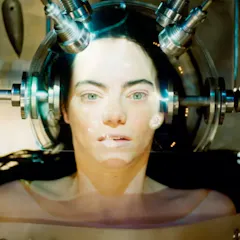
Is brain transplant surgery the stuff of dark Hollywood fairytales or a feasible possibility?

Champions of xenotransplantation see it as the solution to organ shortages across the world. But this technology has other applications.
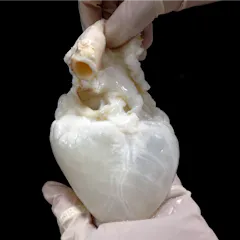
Scientist Doris Taylor explains how she and her team are creating bioengineered human hearts in their lab with the goal of one day eliminating the need for heart transplants.
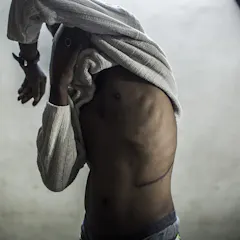
As the value of organs increases, people have a greater incentive to sell and trade.
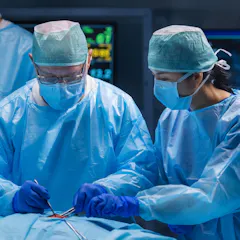
Every extra organ available for donation is potentially lifesaving. And it can be done safely and ethically.
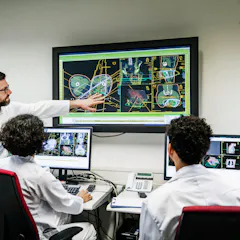
Biased algorithms in health care can lead to inaccurate diagnoses and delayed treatment. Deciding which variables to include to achieve fair health outcomes depends on how you approach fairness.
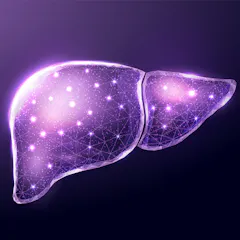
Liver transplant waitlists can range from 30 days to over five years. Developing treatments that spur liver regeneration could help reduce demand for scarce organs.

From next year, uterus transplants are being trialled in Australia. But it’s likely to be a while before they becomes mainstream clinical treatment.
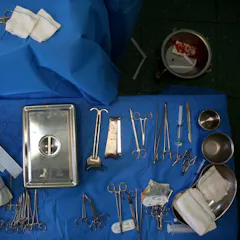
China’s industrial-scale organ trafficking practice has been executing prisoners of conscience and using their organs for transplantation for decades. This is known as forced organ harvesting.
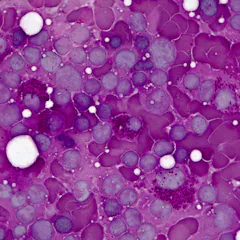
Patients with blood cancer undergoing stem cell transplantation have a high risk of complications. The bacteria in their gut, however, can help their immune system recover and fight infections.
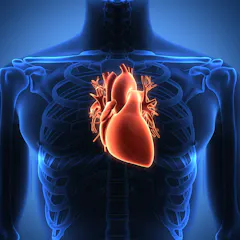
The heart used in the first pig-human transplant was infected with a pig virus. This reveals that using other species as organ donors may not provide a solution for organ shortages.
Top contributors
-

Professor in Clinical Ethics, Macquarie University
-
Senior Teaching Fellow, University of Warwick
-
Postdoctoral Research Fellow at the Centre for Values, Ethics and the Law in Medicine (VELiM), University of Sydney
-
Professor of Polymer Chemistry, Queensland University of Technology
-
Adjunct Fellow, T.C. Beirne School of Law, The University of Queensland
-
Lecturer in Macromolecular Chemistry, University of Freiburg
-
Chen Su Lan Centennial Professor in Medical Ethics, National University of Singapore; Distinguished Visiting Professor in Law, University of Melbourne; Uehiro Chair in Practical Ethics, The University of Melbourne
-
Regenerative Medicine Lecturer, University of New Hampshire
-
Associate Professor and Intensive Care Specialist, Royal Children's Hospital
-
Researcher, Social Work, University of Manitoba
-
Research Director at Donald Gordon Medical Centre, University of the Witwatersrand
-
Lecturer in Human Anatomy, Physiology Anatomy & Microbiology, La Trobe University
-
Professor of Pathology and Medicine, University of Pittsburgh
-
Assistant Professor of Medical Oncology, School of Medicine, University of Washington
-
Co-director of the Immunology Research Centre, St Vincent's Hospital Melbourne