
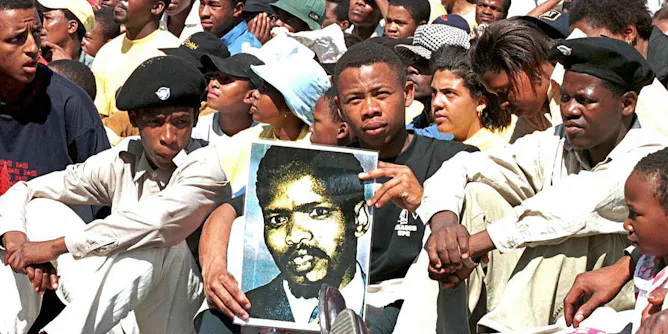
The history of scientific racism can help us to improve medical ethics.
Articles on Medical ethics
Displaying 21 - 40 of 176 articles
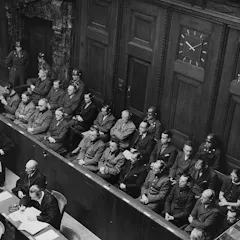
The Nuremberg Code was developed during trials for Nazi officials accused of performing inhumane experiments − but its influence has been far wider.
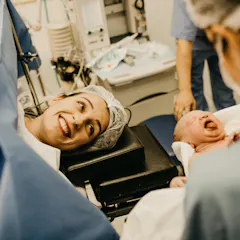
Mitochondrial disease is an inherited condition with a poor prognosis. But a technique using a donated egg can stop this fault passing on to babies.
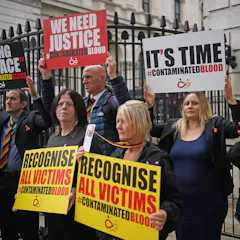
The final report of the biggest treatment disaster in the history of the NHS is published on May 20.
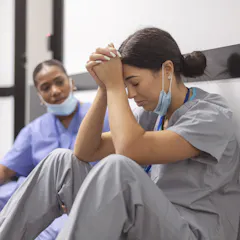
Medical workers navigate their own moral and religious beliefs, professional standards, the law and the realities of clinical work – which can be especially complicated in abortion care.

Growing evidence shows industry payments to doctors play a key role in unethical pharmaceutical marketing. New Zealand’s disclosure scheme fails to capture all companies and payment types.
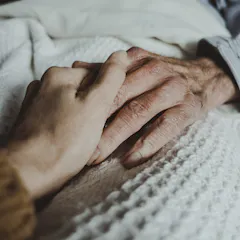
Assessing a patient’s autonomy can be more difficult when mental illness is the main source of their suffering.

What constitutes an ‘unborn child’ should not be decided by a relatively small number of religious conservatives.

After all, it’s not a real person.
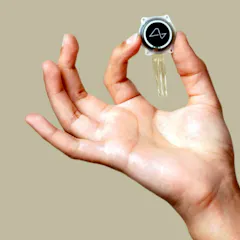
The technology to link human brains with computers is developing quickly – but the path ahead is full of challenges.

New guidance indicates health professionals must not provide information to the police without a woman’s consent unless “concerned for her safety or the safety of others”.

The technology may be here sooner than we think. But we have so much to discuss first.

It’s a fallacy that the medical atrocities carried out by the Nazis involved just a handful of radicalised doctors.

Horseshoe crabs play a unique role in medicine, but they’re also ecologically important in their home waters along the Atlantic coast. Can regulators balance the needs of humans and nature?
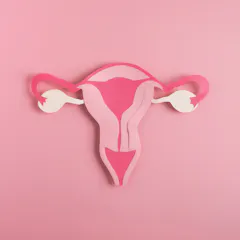
A womb transplant can be life changing for the recipient, but there are serious ethical considerations too.
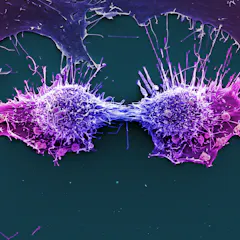
The settlement is a long-awaited moment of victory for Henrietta Lacks and her family. But the battle for justice in genetic and medical research is not over yet.

The decision-making capacity of people under 18 would be assessed on a case-by-case basis by medical practitioners.

The lessons students learn from dissecting donor bodies go beyond anatomy – and they try to pay that gift forward.

Hospital ethics committees and consultants do not make decisions for others, but their input can help support doctors and patients navigate difficult dilemmas.
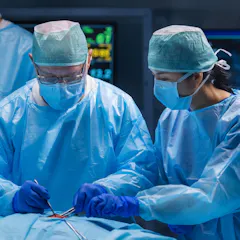
Every extra organ available for donation is potentially lifesaving. And it can be done safely and ethically.
Top contributors
-

Consultant Neonatologist and Professor of Ethics, University of Oxford
-
Chen Su Lan Centennial Professor in Medical Ethics, National University of Singapore; Distinguished Visiting Professor in Law, University of Melbourne; Uehiro Chair in Practical Ethics, The University of Melbourne
-
Professor of Medicine, Monash University
-
Professor of Bioethics & Medicine, Sydney Health Ethics, Haematologist/BMT Physician, Royal North Shore Hospital and Director, Praxis Australia, University of Sydney
-
Associate Professor of Law (Health Law), Deakin University
-
Professor of Bioethics, Macquarie University
-
Lecturer in Bioethics, Monash University; The University of Melbourne
-
Associate Professor of Philosophy, Gonzaga University
-
Assistant Professor in Biomedical Ethics, National University of Singapore
-
Infectious Disease Ethics Fellow, Ethox & Wellcome Centre for Ethics and Humanities, Univeristy of Oxford. Adjunct, Monash University
-
Senior Lecturer in Ethics and Professionalism, Adelaide University
-
Academic Lead, Ethics and Professional Practice, Griffith University
-
Distinguished Research Professor, Emerita, Dalhousie University
-
Professor, Medical Ethics, Bond University
-
Distinguished Professor in the Department of Medicine and Director, The Centre for Medical Ethics & Law, Stellenbosch University