
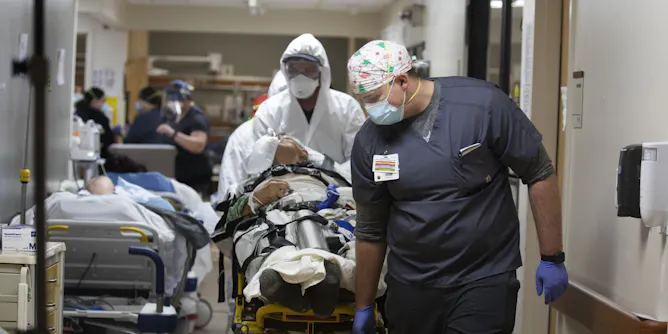
States and hospitals are starting to declare ‘crisis standards of care’ as the pandemic floods their ERs. The orders have consequences – both good and bad, as a medical ethicist explains.
Articles on Medical ethics
Displaying 61 - 80 of 176 articles

So far, the only COVID-19 vaccines authorized for use need to be kept frozen. But there are many places in the world that can’t support a cold supply chain.

There’s no guarantee future COVID-19 vaccines will work in the elderly. So we can consider vaccinating the young first to protect them. Here’s what we need to work out first.

Cyber-attacks on medical devices and hospital networks are a growing threat, and patients have the right to know.
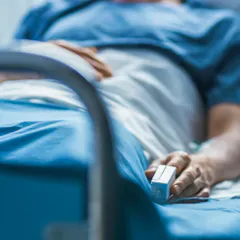
The detailed work of making the End of Life Choice Act work in practice now begins, including the decision about how assisted dying will be funded.

No-one wants our children to be used as research guinea pigs. High standards of ethical oversight are needed to ensure no child is exposed to possible harm.
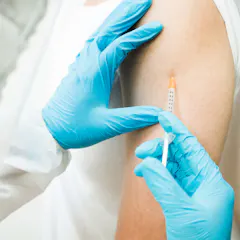
There are many scientific and ethical challenges ahead. But these types of trials have helped in the development of vaccines against a few diseases. Could they do the same for COVID-19?
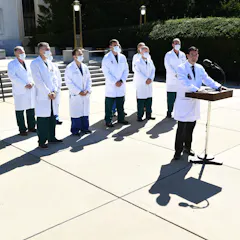
When a celebrity, politician or other influential person checks in, a health care team can feel pressured to give in to a VIP’s wishes.
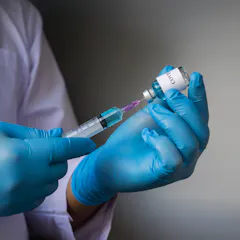
At a secret location in London, volunteers will receive a COVID vaccine and subsequently be deliberately infected with the coronavirus.

Without a clear plan, valuable time will be lost.
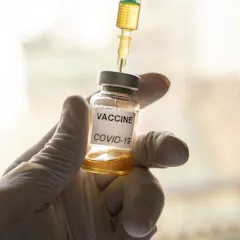
A public health lawyer and ethicist explores the thorny issue of whether requiring people to be vaccinated against COVID-19 might be necessary. And if so, can people object citing their faith?
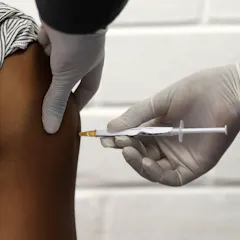
Church leaders have raised concerns over a COVID-19 vaccine produced using cells derived from aborted foetuses. But the Vatican has already ruled such vaccines ‘morally separate’ from the abortions.
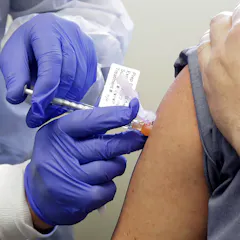
Conventional trials to test coronavirus vaccines are paradoxically slowed down by actions to curb the disease’s spread. Human challenge trials are more controversial, but could speed up the process.
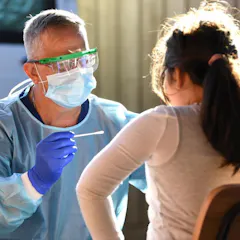
There are some very good reasons why some people decline coronavirus testing, which we need to address before jumping to conclusions.
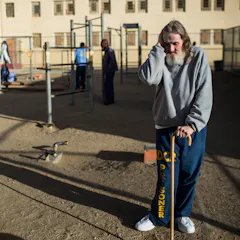
The Federal Bureau of Prisons recently opened a unit for people suffering dementia. But is incarceration a ‘cruel and unusual’ punishment for those who don’t understand why they are behind bars?

We should make more use of randomised controlled trials – usually used in medicine – to understand which measures were effective in controlling COVID-19.
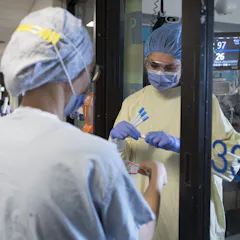
Moral injury happens when someone is faced with a choice that violates deep moral beliefs. Health-care workers treating COVID-19 might be forced to choose between ‘wrong’ and ‘wronger.’
Many ethical decisions will need to be made as patients seek treatment for Covid-19.
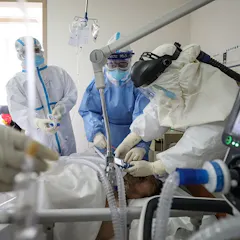
The principle of distributive justice will be stretched to its limits if the outbreak in South Africa mimics that in other settings.
Rather than basing decisions about ICU access on age, clinicians need to consider the potential benefits and burdens of treatments proposed for every patient.
Top contributors
-

Consultant Neonatologist and Professor of Ethics, University of Oxford
-
Chen Su Lan Centennial Professor in Medical Ethics, National University of Singapore; Distinguished Visiting Professor in Law, University of Melbourne; Uehiro Chair in Practical Ethics, The University of Melbourne
-
Professor of Medicine, Monash University
-
Professor of Bioethics & Medicine, Sydney Health Ethics, Haematologist/BMT Physician, Royal North Shore Hospital and Director, Praxis Australia, University of Sydney
-
Associate Professor of Law (Health Law), Deakin University
-
Professor of Bioethics, Macquarie University
-
Lecturer in Bioethics, Monash University; The University of Melbourne
-
Associate Professor of Philosophy, Gonzaga University
-
Assistant Professor in Biomedical Ethics, National University of Singapore
-
Infectious Disease Ethics Fellow, Ethox & Wellcome Centre for Ethics and Humanities, Univeristy of Oxford. Adjunct, Monash University
-
Senior Lecturer in Ethics and Professionalism, Adelaide University
-
Academic Lead, Ethics and Professional Practice, Griffith University
-
Distinguished Research Professor, Emerita, Dalhousie University
-
Professor, Medical Ethics, Bond University
-
Distinguished Professor in the Department of Medicine and Director, The Centre for Medical Ethics & Law, Stellenbosch University