
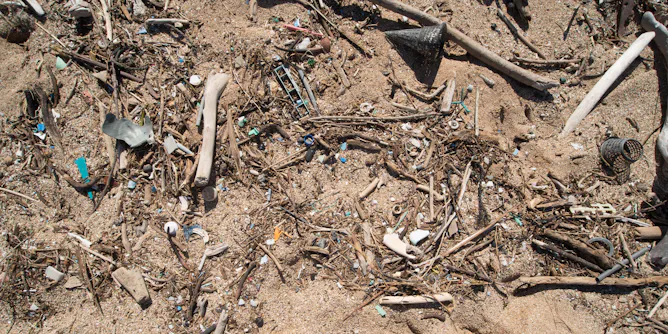
An estimated 8 million metric tons of plastic waste enters the ocean each year – equivalent to dumping in a garbage truckload of it every minute. A new report calls on the US to help stem the deluge.
Articles on Marine life
Displaying 101 - 120 of 215 articles
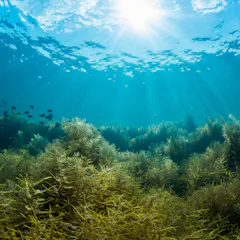
Substances found in algae, squid and fish all have potential antiviral properties.
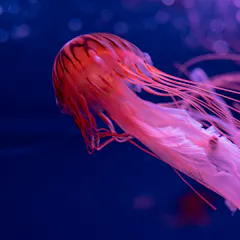
Most jellyfish are “passive” feeders. This means that they float through the water eating whatever they happen to pass in the water and can fit in their mouths.
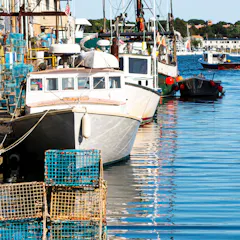
The indirect losses from one heatwave in Western Australia caused A$4.14 billion per year worth of damage.
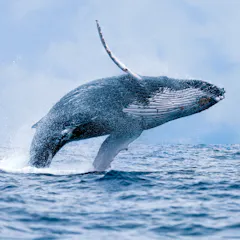
Nations must work with their neighbours to manage and protect species and human rights. An international environmental deal called the Escazú Agreement shows what’s possible.
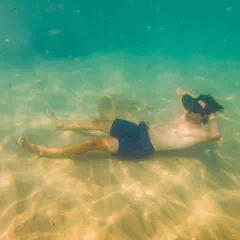
Empathy is an important factor in getting people to act on environmental issues. Virtual reality can bring oceans closer to home for those who can’t experience the wealth of marine ecosystems.
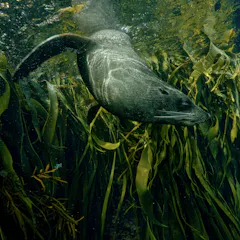
The industry says the deterrent is necessary, but evidence suggests the devices pose a significant threat to some marine life, including maiming and killing seals.

With 300 stone artefacts submerged on Australia’s continental shelf last year, Indigenous underwater cultural heritage needs to be prioritised in marine science and industry practices.
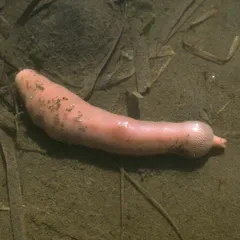
These phallic, burrowing invertebrates are certainly worth your time as integral and fascinating members — of Australia’s marine ecosystems.
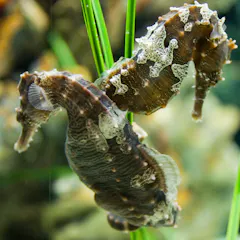
Fascinating facts about this unusual fish include that it doesn’t swim very well. A marine expert reveals why

We are not at risk of running out of oxygen due to climate change, but ocean creatures are – and that will harm the whole planet.
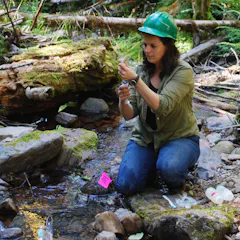
This kind of research, with consistent data collection at the same locations over time, helps support global understanding of climate change.
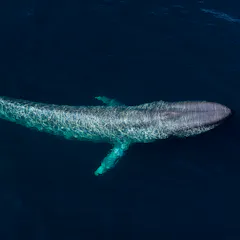
There have been just six verified sightings of the pygmy blue whale off Sydney in 18 years. Rare sightings like these are crucial, because the giants are considered ‘data deficient’.
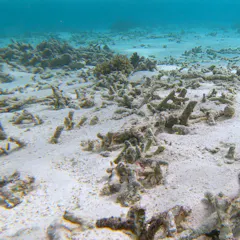
Just because coral is dying, doesn’t mean marine life in reefs will end. New research found dead coral hosted 100 times more microscopic invertebrates than healthy coral.
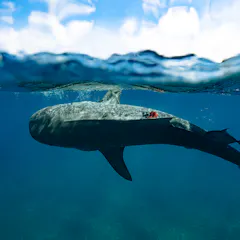
Warm-blooded fish can swim 1.6 times faster than their cold-blooded relatives.
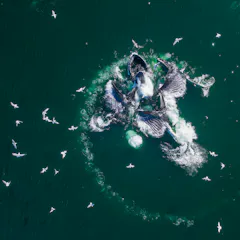
Bubble-net feeding is when whales blow bubbles from their nose to encircle their food, trapping their prey into a tight ball. A citizen scientist was the first to capture this behaviour in Australia.
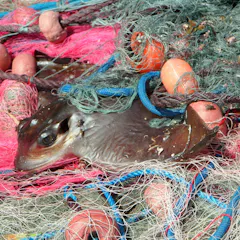
Tackling bycatch in large-scale fishing can make our seafood habit more sustainable
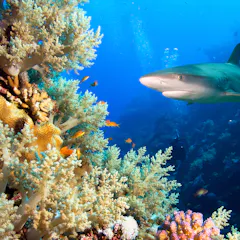
Climate change has already made tropical oceans too hot for some marine species to survive. As they flee towards the poles, the implications for ecosystems and human livelihoods will be profound.
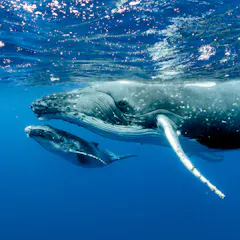
Australia is considering removing humpback whales from the threatened species list after their numbers rebounded in recent decades. But the mammals face new threats.
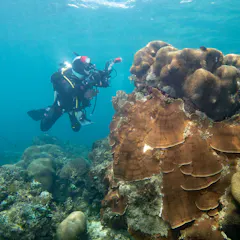
I helped survey coral reefs in Norfolk Island for the first time in eight years, and snapped marine life we didn’t expect to see there.
Top contributors
-

Whale Scientist and Lecturer, Faculty of Science and Engineering, Macquarie University
-
Professor and Deputy Vice-Chancellor (Research), University of Sydney
-
Postdoctoral Research Associate, University of Sydney
-
Professor of Marine Botany, The University of Western Australia
-
Senior Principal Research Scientist, Environment, CSIRO
-
Chief Research Scientist - Environment, CSIRO
-
Senior Curator of Marine Invertebrates, Museums Victoria Research Institute
-
Associate Professor, School of Science, Edith Cowan University
-
Professor, Sustainable Marine Futures, Environment Institute, Adelaide University
-
Research Fellow in Marine Ecology, Marine Biological Association
-
Associate Professor of Marine Conservation, University of Plymouth
-
PhD candidate, University of the Western Cape
-
Postdoctoral Research Scientist, Marine Biological Association
-
Curator of Vertebrates, Museum of New Zealand Te Papa Tongarewa
-
Research Fellow, University of Tasmania