
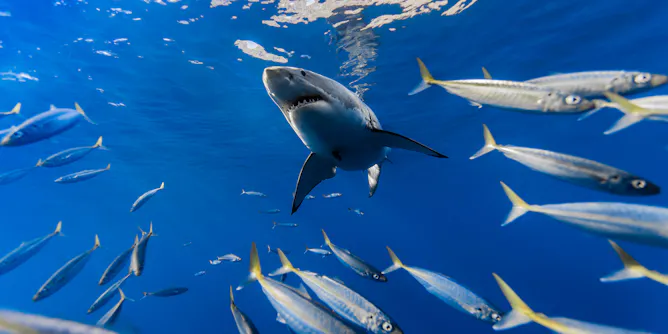
The world’s oceans are home to innumerable life forms, from sponges to sea lions, and scientists have many creative ways of studying them.
Articles on Marine life
Displaying 161 - 180 of 215 articles
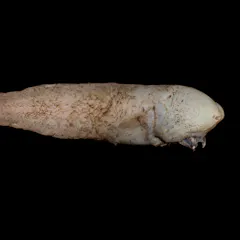
Surveying the bottom of the ocean turns out to be far from easy. But there was something wonderful about seeing animals we have only read about in old books.
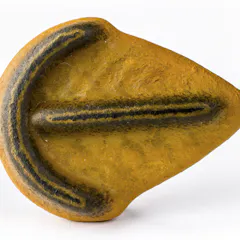
With no identifiable body parts, it’s hard to know how these fossilized creatures lived. A new approach models how the ocean’s water would interact with their unique shapes – hinting at their lifestyle.
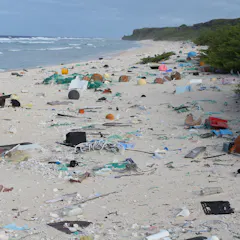
Plastics pose a major threat to seabirds and other animals, and most don’t ever break down - they just break up. Every piece of petrochemical-derived plastic ever made still exists on the planet.
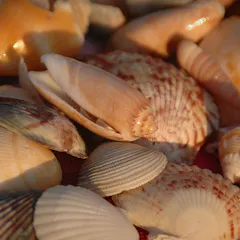
Maëlle, 7, wants to know why some shells are smooth, while others are corrugated. It turns out that while corrugated shells are strong, smooth shells can move fast.
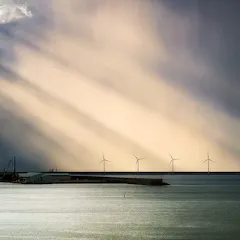
By 2030, the Blue Economy will be worth $3 trillion. And the UK is well placed to capture a slice of this lucrative market, if it meets the challenges involved with innovation and ambition.
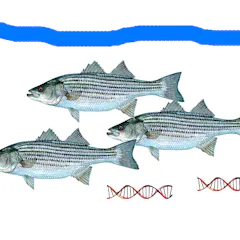
Animals shed bits of DNA as they go about their lives. A new study of the Hudson River estuary tracked spring migration of ocean fish by collecting water samples and seeing whose DNA was present when.
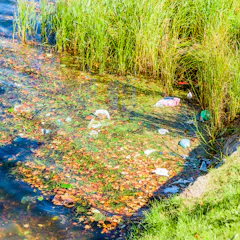
Microfibres and microplastics are a massive problem for marine life. Once ingested, they
severely affect marine animals ability to eat. There’s also concerns about their toxicity.
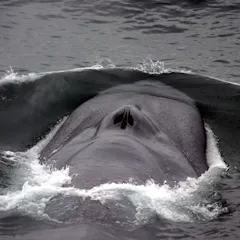
Songs of marine animals can help us discover new populations.
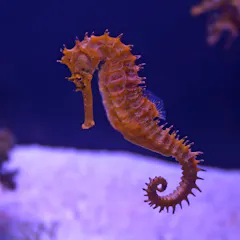
Scientists have sequenced the seahorse’s genome and found the genes that could explain male pregnancy.
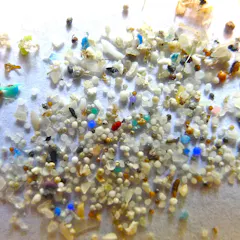
Up to 236,000 tonnes of microplastic enter our oceans each year.
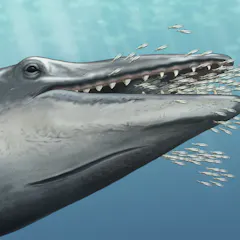
The largest animals on the planet - the baleen whales - prey on some of the smallest. But how did their teeth evolve into the filters they use today?
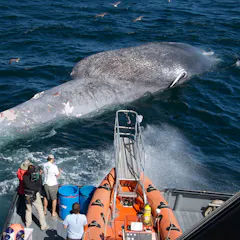
Ships in Australian waters are getting bigger and more numerous all the time. We need a plan to help them avoid crashing into whales and other large sea creatures.
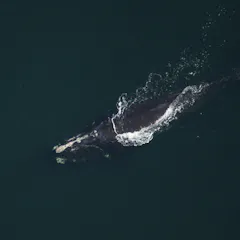
The increasing use of the sea for human activities has resulted in a dramatic rise in noise levels.
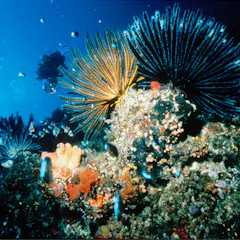
Australia has the third largest marine jurisdiction in the world, a vast ocean territory that contains important natural and biological resources. And it needs protecting.
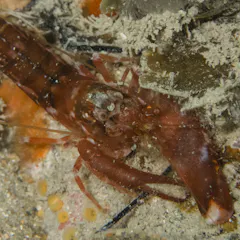
The oceans are filled with sounds produced by animals. However, a recent study shows that ocean sounds are diminishing due to nutrient pollution and ocean acidification.
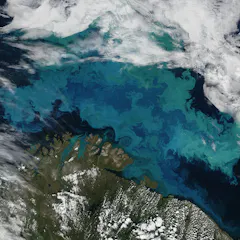
Tiny organisms change ocean acidity to benefit themselves.
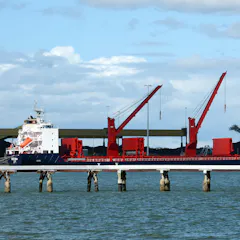
Coal dust and oil can spread toxic chemicals hundreds of kilometres out to sea. But Australia’s monitoring guidelines do not meet the standards used in countries such as the United States.
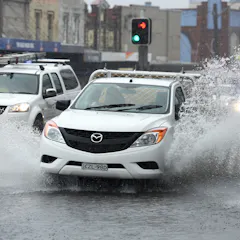
Storms like those that lashed Australia’s east coast flush pollution out to sea.

An estimated one-third of corals have now died in the parts of the Great Barrier Reef hit hardest by bleaching, meaning recovery could take years or even decades.
Top contributors
-

Whale Scientist and Lecturer, Faculty of Science and Engineering, Macquarie University
-
Professor and Deputy Vice-Chancellor (Research), University of Sydney
-
Postdoctoral Research Associate, University of Sydney
-
Professor of Marine Botany, The University of Western Australia
-
Senior Principal Research Scientist, Environment, CSIRO
-
Chief Research Scientist - Environment, CSIRO
-
Senior Curator of Marine Invertebrates, Museums Victoria Research Institute
-
Associate Professor, School of Science, Edith Cowan University
-
Professor, Sustainable Marine Futures, Environment Institute, Adelaide University
-
Research Fellow in Marine Ecology, Marine Biological Association
-
Associate Professor of Marine Conservation, University of Plymouth
-
PhD candidate, University of the Western Cape
-
Postdoctoral Research Scientist, Marine Biological Association
-
Curator of Vertebrates, Museum of New Zealand Te Papa Tongarewa
-
Research Fellow, University of Tasmania