

Age is no longer the only definition of midlife. An expert in aging explains why.
Articles on Insomnia
Displaying 61 - 80 of 101 articles
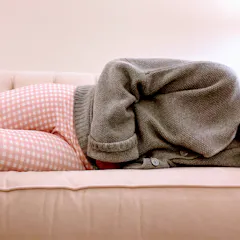
Menstruating women who sleep less than six hours a night suffer worse periods. But leading treatments for insomnia rarely look at menstrual health.

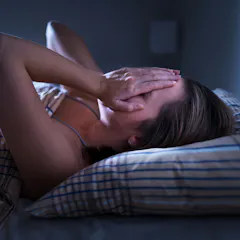
The thoughts are often distressing and punitive. Strikingly, these concerns vaporise in the daylight, proving that the 3am thinking was completely irrational and unproductive. But why?

To keep our health care providers healthy, we need to help them sleep.

Distraction in poor sleepers could be linked to a different brain process than previously thought.
What is it about chamomile tea, milk and cocoa that could help us sleep better, and what does the evidence say?

How you can gauge investors’ sleepiness by using Google search data.
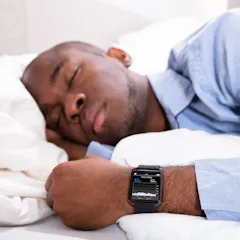
Despite the appeal of sleep trackers, they could cause unwanted anxiety for some.

Couch potatoes are always looking for a way out.
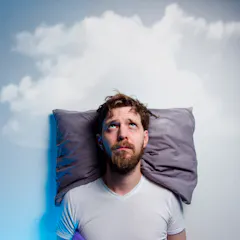
There are three features common to most forms of insomnia that can be revelatory for those living under lockdown.

Sleep supports our immune function and helps us deal with stress. During this uncertain time, making sleep a priority is more than self-care – it’s essential.
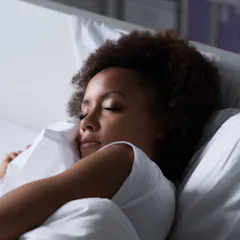
The time at home from the coronavirus crisis could be an opportunity to let our natural sleep rhythms take over.

Cognitive behavioural therapy for insomnia provided remission of insomnia in 80 to 90 per cent of adolescents in a research trial, and improved their overall concussion recovery.

Millions of people struggle with falling asleep. A review of thousands of studies shows a possibly simple solution: a warm bath.

Insomnia impacts more than 20 per cent of women during pregnancy. And it is treatable.

It’s not just babies who have trouble sleeping.

Adults are not the only people in the US who have problems with sleep – babies and children suffer from loss of sleep, too. Two pediatric sleep experts explain how you can help your little ones.

New research pinpoints why so many students struggle to nod off at university.

Quetiapine is an antipsychotic drug to treat severe mental illness, but it makes people feel sleepy, so has also been used as a sleeping pill – by prescription and illicitly.
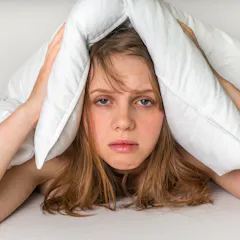
Our genes are important when it comes to aptitude for sleeping soundly.
Top contributors
-

Honorary Affiliate and Clinical Psychologist at the Woolcock Institute of Medical Research, and Macquarie University Research Fellow, Macquarie University
-
Professor of Sleep Science, Northumbria University, Newcastle
-
Adjunct Senior Research Fellow, School of Psychological Sciences, The University of Western Australia
-
Associate Professor at Turner Institute for Brain and Mental Health, School of Psychological Sciences, Monash University
-
Associate Professor, Adelaide Institute for Sleep Health, Flinders University
-
Royal Holloway, University of London
-
Emeritus Professor of Psychology, Adelaide Institute for Sleep Health, Flinders University
-
Professor and Head of Paediatric Sleep Research, CQUniversity Australia
-
Senior Lecturer in Psychology, CQUniversity Australia
-
Associate Professor, Canada Research Chair in Mental Health and Intersectionality, University of British Columbia
-
Associate Professor of Sleep and Wellbeing, University of Sydney
-
Research Fellow, Senior Clinical Psychologist, Flinders University
-
Assistant Professor of Aging Studies, University of South Florida
-
Sleep Researcher, Appleton Institute, HealthWise Research Group, CQUniversity Australia
-
Lecturer, University of Cambridge; Anglia Ruskin University