
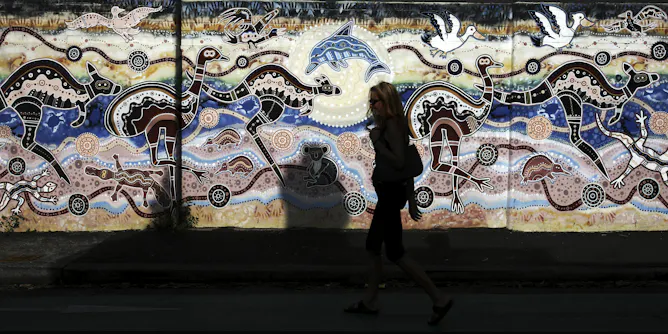
Reducing transport inequality and improving walkability in Indigenous communities are necessary to help close the health and social gap.
Articles on Indigenous health
Displaying 101 - 120 of 262 articles
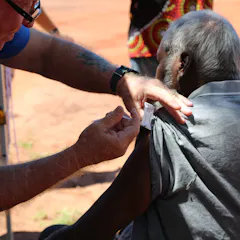
As the delta strain spreads in Australia, there is increasing urgency to ensure Aboriginal and Torres Strait Islander people are vaccinated.
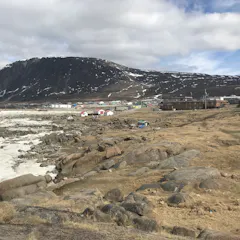
Inuit living in their traditional territory must travel long distances — often with no personal support — for specialized health-care services like cancer care, obstetrics and dialysis.

A commitment to eliminating racism must be reflected in accountability mechanisms that focus on the impacts of coordinated and consistent anti-racist action.
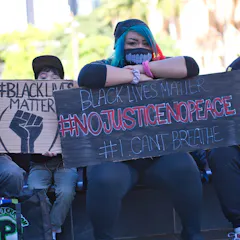
Despite the disproportionate numbers of Aboriginal people in prisons, there are near to no cultural protocols in place, and chronic illness is often not addressed.
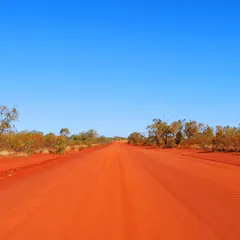
It’s hard enough to attract and keep health workers in the Northern Territory as it is. Now climate change is threatening to make things worse.
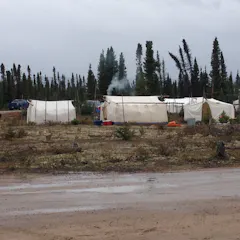
Many researchers may lack resources to guide them in conducting research that is equitable, inclusive and respectful of diverse Indigenous knowledge, ethics, practice and research sovereignty.

Transcript of Don’t Call Me Resilient, Episode 5: Black health matters
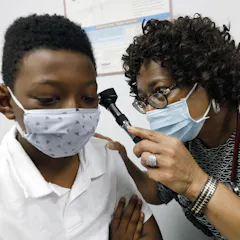
When COVID-19 first appeared, some called it the great equalizer. But the facts quickly revealed a grim reality: COVID-19 disproportionately impacts racialized communities.

Student respondents to a survey discussed memories of historical trauma of infectious disease and displacement, financial hardship related to Alberta tuition hikes and mental health concerns.
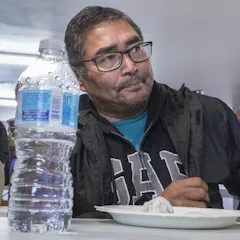
A tax on sugar-sweetened beverages may be intended to improve health, but for Indigenous consumers, such a tax would be unethical, contravene tax law and undermine Indigenous rights.
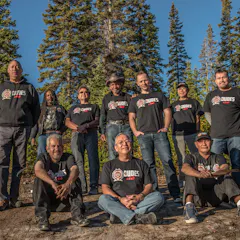
DUDES Club, with a little help from Movember, has shown how a grassroots health and mental health initiative could be mobilized to work by, for and with Indigenous men.
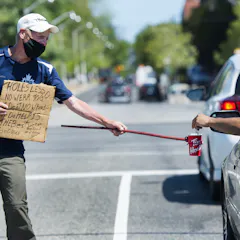
The outbreak of the COVID-19 pandemic has exposed gaps in the health-care system that leave those without identification documents vulnerable.
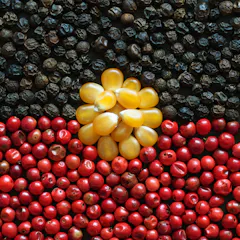
Australian official guidelines need to reflect culturally safe dietary advice or risk worsening Indigenous people’s health.
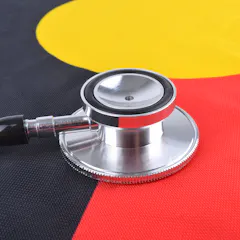
It’s no wonder some Indigenous Australians are concerned about receiving different treatment in hospital.
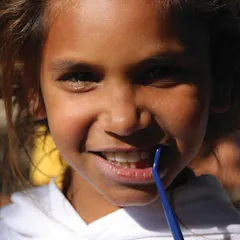
Indigenous children have poor oral health compared to Australian kids overall. Our research shows involving local Aboriginal people in designing and providing services can make a difference.

Pluralism — the active process of inclusion — could reduce disparities in some of the most pressing health issues of our time.
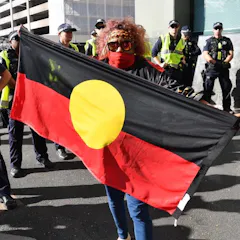
Many white health students - our future doctors, nurses and health workers - find learning about the ongoing health impacts of colonisation on Indigenous Australians confronting. But it’s vital.
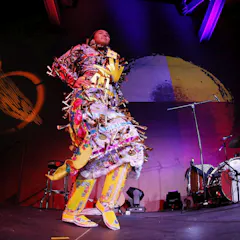
Indigenous communities are connecting over digital communities to survive and resist.
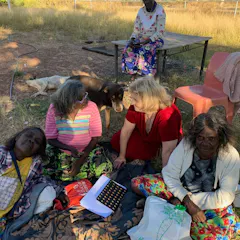
Researchers report on how COVID-19 is affecting isolated Indigenous communities. Their voices bridge the urban divide, reveal challenges and describe some unexpected bonuses.
Top contributors
-

Director of POCHE Centre for Indigenous Health, The University of Queensland
-
Team Lead, Healthy Skin and Acute Rheumatic Fever Prevention, The Kids Research Institute Australia
-
Purple House Medical Advisor. Honorary ANU., Australian National University
-
Associate Professor, Indigenous Studies, UNSW ; Macquarie University
-
ARC Research Fellow in Indigenous Health, Disability and Community Development, University of Sydney
-
Honorary Enterprise Professor, School of Population and Global Health, and Department of General Practice and Primary Care, The University of Melbourne
-
Professor, Public Health Policy, The University of Queensland
-
Scientia lecturer, UNSW
-
Associate Director of Research and Senior Fellow, Yardhura Walani, National Centre for Aboriginal and Torres Strait Islander Wellbeing Research, Australian National University
-
Senior Lecturer in Social Research and Policy, UNSW
-
Professor of Indigenous Health, Executive Director, Carumba Institute, Queensland University of Technology
-
Professor of Economics and Public Policy, ANU College of Arts and Social Sciences, Australian National University
-
Associate Professor in Public Health, The University of Queensland
-
Professor and Head Clinical Research Domain, Baker Heart and Diabetes Institute
-
Head of Diabetes Clinics, Baker Heart and Diabetes Institute