
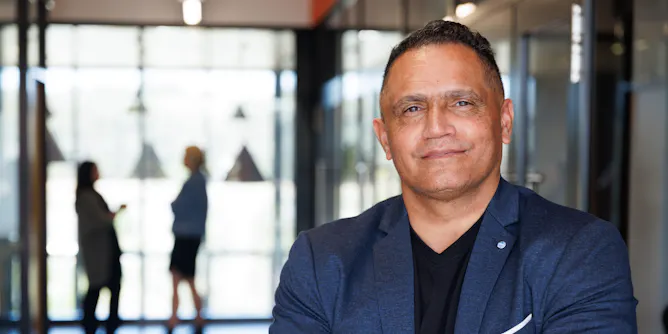
Australia’s new lung cancer screen program further disadvantages Aboriginal and Torres Strait Islander peoples, who are already at increased risk of lung cancer.
Articles on Indigenous health
Displaying 21 - 40 of 262 articles
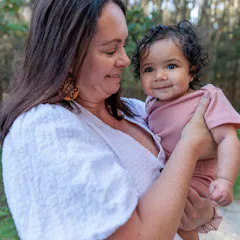
Many Indigenous families around the world say hospital staff often don’t understand their cultures or even give them basic rights during maternity care.

Indoor farming helps northern Manitoba communities access fresh, healthy food and address rising rates of diabetes, cardiovascular disease and hypertension.
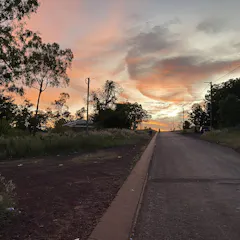
People living in remote Indigenous communities have much higher rates of chronic disease compared to the overall Australian population. This program could help.
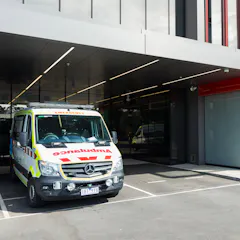
A recent study found First Nations Australians were twice as likely to present to an emergency department with asthma or other allergy-related illnesses.
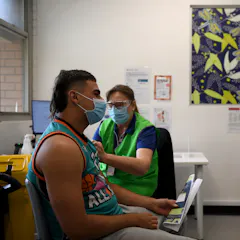
A recent study explored COVID experiences among Indigenous adults in WA. Here’s what we must learn for the next pandemic.
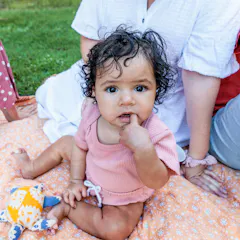
Indigenous children are 11 times more likely to be removed than non-Indigenous children. Babies under one are at greatest risk.
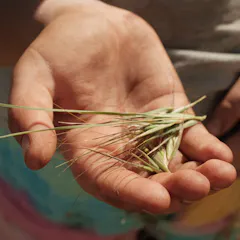
In Aboriginal knowledges, the health of people, family, Mob, culture and Country involve spiritual, emotional and physical dimensions.
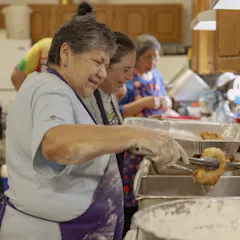
Frybread — a simple, versatile “comfort food” for many Indigenous communities — embodies the contradictions that have dictated Indigenous food and health in North America since colonization.
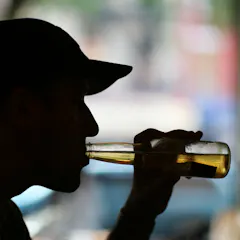
A group of alcohol policy researchers raises concerns that proposed changes will worsen the very issues the NT government aims to address.
Skin infections disproportionately affect children in Australia’s remote Indigenous communities.

The Canadian Medical Association’s apology for harms to Indigenous Peoples is an opportunity to reflect on the gap between apologies and the work of true repair necessary for reconciliation.
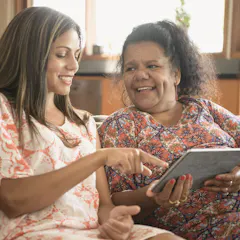
Researching what digital health interventions work for Indigenous people is effective when it’s Indigenous-led, based on trust, and engages local values and protocols.
One woman involved in our study realised her husband could be at risk of a heart condition. Her knowledge meant he got diagnosed – and had an urgent, life-saving quadruple bypass surgery soon after.
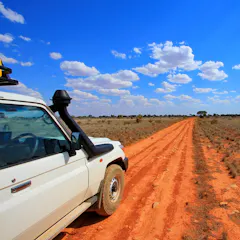
One thing we can do to reduce this transport inequity is make it easier for First Nations people to get their driver’s licence. This also brings individuals and communities many other benefits.
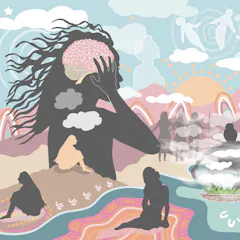
First Nations women are more likely than non-Indigenous women to experience traumatic brain injury from domestic violence. But they don’t always access health care.
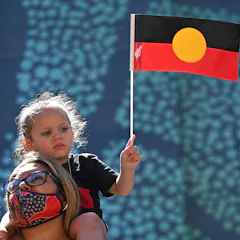
Until now, culturally relevant wellbeing measures have been lacking for First Nations children in Australia.
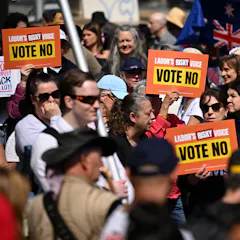
Indigenous Australians living in areas with stronger opposition to the Voice have poorer health and are less likely to access health care.
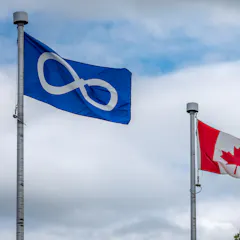
Now more than ever we need Red River Métis health data that is conducted ethically and is respectful of both individual and collective rights, and accurately represents our distinct population.
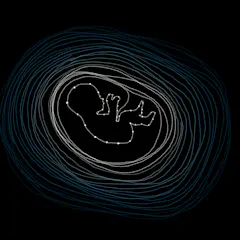
First Nations women face almost twice the risk of stillbirth compared to non-First Nations women. Much of the inequity can be linked to the ongoing impact of colonisation on birthing women.
Top contributors
-

Director of POCHE Centre for Indigenous Health, The University of Queensland
-
Team Lead, Healthy Skin and Acute Rheumatic Fever Prevention, The Kids Research Institute Australia
-
Purple House Medical Advisor. Honorary ANU., Australian National University
-
Associate Professor, Indigenous Studies, UNSW ; Macquarie University
-
ARC Research Fellow in Indigenous Health, Disability and Community Development, University of Sydney
-
Honorary Enterprise Professor, School of Population and Global Health, and Department of General Practice and Primary Care, The University of Melbourne
-
Professor, Public Health Policy, The University of Queensland
-
Scientia lecturer, UNSW
-
Associate Director of Research and Senior Fellow, Yardhura Walani, National Centre for Aboriginal and Torres Strait Islander Wellbeing Research, Australian National University
-
Senior Lecturer in Social Research and Policy, UNSW
-
Professor of Indigenous Health, Executive Director, Carumba Institute, Queensland University of Technology
-
Professor of Economics and Public Policy, ANU College of Arts and Social Sciences, Australian National University
-
Associate Professor in Public Health, The University of Queensland
-
Professor and Head Clinical Research Domain, Baker Heart and Diabetes Institute
-
Head of Diabetes Clinics, Baker Heart and Diabetes Institute