

New data on Closing the Gap shows more Indigenous people are in prison, not less.
Articles on Indigenous health
Displaying 41 - 60 of 262 articles
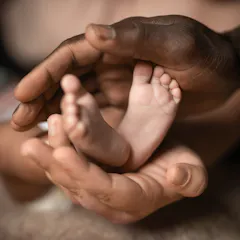
Cases of infectious syphilis have risen sharply in the last decade, including in women in their reproductive years. That can lead to stillbirth, miscarriage or disability.
Lupus is two to four times more common among Aboriginal and Torres Strait Islander people. It’s also tends to be more severe, with higher rates of kidney failure than non-Indigenous people with lupus.
A transactional mental health system fails to accommodate consumers’ needs for human connection and understanding. Elders in Perth are helping to transform this system.
When we mapped where Indigenous Australians are using a program to access free or discounted medicines, we found huge variation around the country. Here’s why that’s a problem.
After this model was implemented, the gap in heart health outcomes we measured between First Nations and non-Indigenous patients closed.

De-centring medical expertise means fostering skillsets that reduce disparities in health outcomes. Medical expertise alone is great for those with social privilege, but not enough for the rest.

People who menstruate in rural and remote Indigenous communities face a unique set of challenges, and have a particular need for better access to period products.

Research partnerships with the people and communities affected help to challenge health inequities, and support person-centred care in health systems.
Just over half of Aboriginal and Torres Strait Islander children in out-of-home care live with a kinship carer. Targets aim to increase this proportion. But what is kinship care?

There is no express right to health in New Zealand law. But international agreements protecting Indigenous rights to health and wellbeing set the standard New Zealand should follow.
Although their stories often tell of strengths, struggles and important community contributions, the voices of Indigenous people with neurodevelopmental disabilities often go unheard.

5 disability experts tell us their initial thoughts about plans to reform the NDIS and make it sustainable

Poor sleep deprives First Nations people of the chance to connect with culture. So they co-designed a sleep apnoea program they’d actually use.
Cases of tuberculosis have been detected in South Australia over the past 17 months. Here’s what you need to know about the disease.

A new report spans more than 300 peer-reviewed studies to present a comprehensive summary of the risks the industry creates for people’s health and wellbeing, as well as for the planet.

Children as young as ten don’t have access to Medicare if detained. And they’re dying of largely preventable diseases.
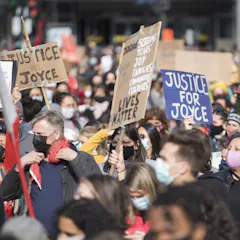
Cultural awareness training for health-care workers places focus on individual biases rather than tackling the systemic problems that negatively impact Indigenous patients.

The issue of poor sleep needs particular attention in the context of Aboriginal and Torres Strait Islander teenagers who have high rates of poor health, social and emotional well-being and education.
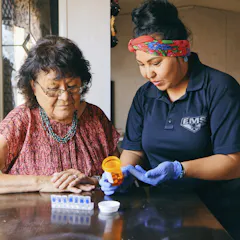
Native Americans sent to government-funded schools now experience significantly higher rates of mental and physical health problems than those who did not.
Top contributors
-

Director of POCHE Centre for Indigenous Health, The University of Queensland
-
Team Lead, Healthy Skin and Acute Rheumatic Fever Prevention, The Kids Research Institute Australia
-
Purple House Medical Advisor. Honorary ANU., Australian National University
-
Associate Professor, Indigenous Studies, UNSW ; Macquarie University
-
ARC Research Fellow in Indigenous Health, Disability and Community Development, University of Sydney
-
Honorary Enterprise Professor, School of Population and Global Health, and Department of General Practice and Primary Care, The University of Melbourne
-
Professor, Public Health Policy, The University of Queensland
-
Scientia lecturer, UNSW
-
Associate Director of Research and Senior Fellow, Yardhura Walani, National Centre for Aboriginal and Torres Strait Islander Wellbeing Research, Australian National University
-
Senior Lecturer in Social Research and Policy, UNSW
-
Professor of Indigenous Health, Executive Director, Carumba Institute, Queensland University of Technology
-
Professor of Economics and Public Policy, ANU College of Arts and Social Sciences, Australian National University
-
Associate Professor in Public Health, The University of Queensland
-
Professor and Head Clinical Research Domain, Baker Heart and Diabetes Institute
-
Head of Diabetes Clinics, Baker Heart and Diabetes Institute