

Commitments to Indigenous health research cannot be clawed back as part of proposed dismantling of equity, diversity and inclusion criteria for federal research funding.
Articles on Indigenous health
Displaying 1 - 20 of 262 articles

Drug companies are using women of colour and First Nations celebrities in weight-loss campaigns. Not everyone’s happy.
When Indigenous people are displaced from or denied access to Country, measurable declines in mental health, physical health and emotional wellbeing follow.

When children are denied bail, they’re often taken to police watch houses. But these don’t have the staff or facilities to keep children safe and well.
Biological samples and data from Aboriginal and Torres Strait Islander peoples have been misused in the past. So how would we make a new screening program safer?
When First Nations people get the right support in the health system, their physical and mental health improves.

Australians can expect to live around 87% of their lives in full health.
Indigenous Australians are less likely to use health services than non-Indigenous people – even when needed. So health services need to change.
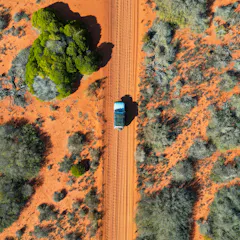
Climate change is disproportionately affecting remote First Nations communities – as three experts explain.
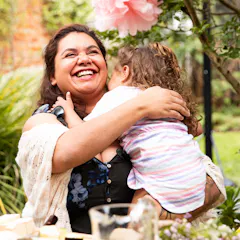
Good oral health is more than having healthy teeth and gums. Indigenous people told researchers why it’s central to their wider health and wellbeing.

More evidence is needed to understand how laundry could help curb skin disease.
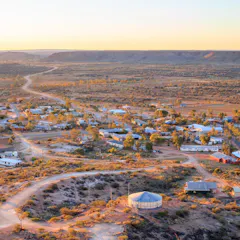
Remote Indigenous communities are bearing the brunt of the latest diphtheria outbreak. Inadequate housing may be one reason why.
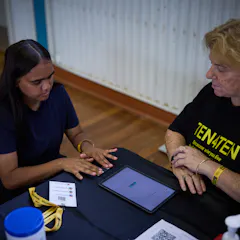
Indigenous people have a far higher risk of early stroke than non-Indigenous people. It’s often caused by atrial fibrillation, which may not have any symptoms.

To effectively address health disparities, research needs to be grounded in Canada’s realities, not simply adapted from models developed elsewhere.
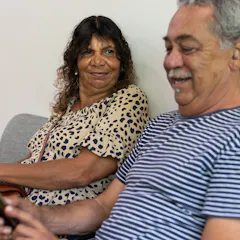
First Nations people were more likely to feel confident about their medication – and to take it – when they had advice tailored to them. And their health improved.
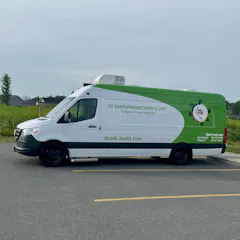
In a country with the capacity to ensure safe water for all, persistent water insecurity in Indigenous communities represents a preventable policy failure — one that’s reflected in health issues.

Despite a decade of commitments, audits and Calls to Action, the federal government has failed to deliver meaningful and measurable improvements in First Nations health services.
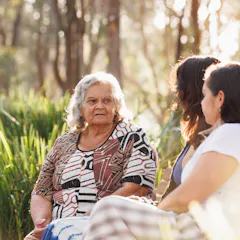
Aboriginal people in remote Australia have no choice but to live in homes too small for their families and face long waits for plumbing and washing machine repairs.
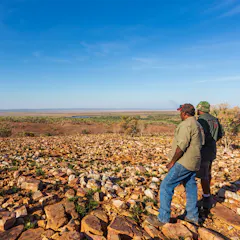
To close the gap, we need First Nations people involved in the evaluation of what worked and what didn’t about Indigenous-focused wellbeing programs.
The Northern Territory is unique for so many reasons. That’s why voluntary assisted dying in the NT can’t be imported from elsewhere.
Top contributors
-

Director of POCHE Centre for Indigenous Health, The University of Queensland
-
Team Lead, Healthy Skin and Acute Rheumatic Fever Prevention, The Kids Research Institute Australia
-
Purple House Medical Advisor. Honorary ANU., Australian National University
-
Associate Professor, Indigenous Studies, UNSW ; Macquarie University
-
ARC Research Fellow in Indigenous Health, Disability and Community Development, University of Sydney
-
Honorary Enterprise Professor, School of Population and Global Health, and Department of General Practice and Primary Care, The University of Melbourne
-
Professor, Public Health Policy, The University of Queensland
-
Scientia lecturer, UNSW
-
Associate Director of Research and Senior Fellow, Yardhura Walani, National Centre for Aboriginal and Torres Strait Islander Wellbeing Research, Australian National University
-
Senior Lecturer in Social Research and Policy, UNSW
-
Professor of Indigenous Health, Executive Director, Carumba Institute, Queensland University of Technology
-
Professor of Economics and Public Policy, ANU College of Arts and Social Sciences, Australian National University
-
Associate Professor in Public Health, The University of Queensland
-
Professor and Head Clinical Research Domain, Baker Heart and Diabetes Institute
-
Head of Diabetes Clinics, Baker Heart and Diabetes Institute