
Saskatchewan leads the country in preventable, opportunistic illnesses enabled by poverty. With recent changes to income support programs and increased housing instability, things are getting worse.
Articles on Indigenous health
Displaying 81 - 100 of 262 articles

Our study found a better way to treat eye problems in Indigenous communities – and some key considerations for undertaking culturally safe clinical trials.
The urgency of tackling climate change is even higher for Aboriginal and Torres Strait Islander peoples, and other First Nation peoples across the globe. They need to be part of the solution.
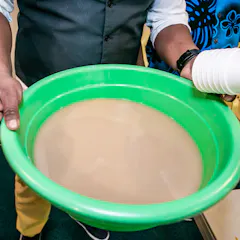
Kava is not commonly used in Australia. But that will change and we need to keep an eye on what happens next.
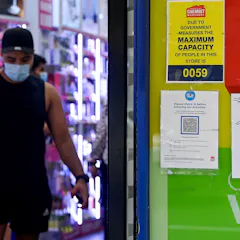
The government has decided it’s time for Australia to open up and get “back to normal.” This has made life more dangerous for vulnerable groups such as First Nations people.

There has been a global shift to declare racism a public health crisis. But we need to drill deeper to understand racism, rethink health data and listen to lived experience.

The current string of COVID outbreaks in remote Aboriginal communities are due to get worse if the NT government opens its borders on December 20, as planned.
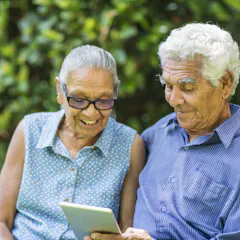
For First Nations peoples living with Dementia, loss of speech can bring loss of connection to family and culture. A new initiative has found a culturally friendly way to assist with communication.

Climate change is a key risk for remote Indigenous communities in Australia. How can housing in remote and regional areas be improved to withstand extreme weather conditions for these communities?
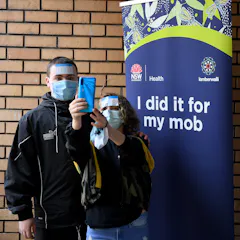
There have been many barriers for Aboriginal communities to access the vaccine during the pandemic. Despite this, communities are taking the lead in ensuring everyone gets vaccinated.
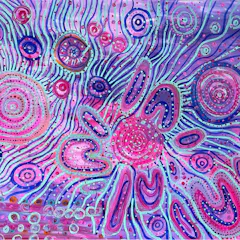
The COVID-19 pandemic is a stressful time for all, and even more so for people experiencing trauma-related stress. How can public health emergency responses avoid further trauma for vulnerable people?

Physical activity and sport are important in Aboriginal and Torres Strait Islander cultures. However, there are barriers to these activities for some communities. How can this be addressed?
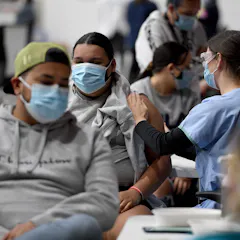
Predominantly white perspectives in health practice and policy development can exclude First Nations people in some health services. This is proving evident during the COVID-19 global pandemic.
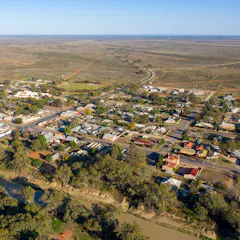
The COVID-19 crisis in Wilcannia demonstrates how entrenched neglect has led to a community devastated by the global pandemic.
The second wave of COVID-19 in New South Wales highlights concerns for the unvaccinated and those with multiple risk factors - particularly Aboriginal and Torres Strait Islander people.
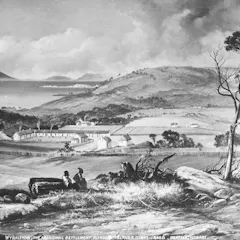
Smallpox, tuberculosis, measles, syphilis … a new book describes how recurring epidemics nearly wiped out Australia’s First Peoples.

Failed COVID-19 strategies have resulted in the spread of the virus to vulnerable Aboriginal communities in north-Western NSW.
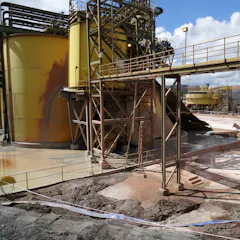
We owe it to Aboriginal people living near uranium mines to learn more about what’s making them sick.
The Closing the Gap dashboard includes data on the 17 socioeconomic targets in the national agreement. But this information isn’t enough on its own to bring real change.

Indigenous people in Australia experience poorer health outcomes than non-Indigenous Australians. So it’s crucial health messaging is delivered in culturally appropriate ways.
Top contributors
-

Director of POCHE Centre for Indigenous Health, The University of Queensland
-
Team Lead, Healthy Skin and Acute Rheumatic Fever Prevention, The Kids Research Institute Australia
-
Purple House Medical Advisor. Honorary ANU., Australian National University
-
Associate Professor, Indigenous Studies, UNSW ; Macquarie University
-
ARC Research Fellow in Indigenous Health, Disability and Community Development, University of Sydney
-
Honorary Enterprise Professor, School of Population and Global Health, and Department of General Practice and Primary Care, The University of Melbourne
-
Professor, Public Health Policy, The University of Queensland
-
Scientia lecturer, UNSW
-
Associate Director of Research and Senior Fellow, Yardhura Walani, National Centre for Aboriginal and Torres Strait Islander Wellbeing Research, Australian National University
-
Senior Lecturer in Social Research and Policy, UNSW
-
Professor of Indigenous Health, Executive Director, Carumba Institute, Queensland University of Technology
-
Professor of Economics and Public Policy, ANU College of Arts and Social Sciences, Australian National University
-
Associate Professor in Public Health, The University of Queensland
-
Professor and Head Clinical Research Domain, Baker Heart and Diabetes Institute
-
Head of Diabetes Clinics, Baker Heart and Diabetes Institute