

Drug companies are using women of colour and First Nations celebrities in weight-loss campaigns. Not everyone’s happy.
Articles on first nations health
Displaying 1 - 20 of 28 articles
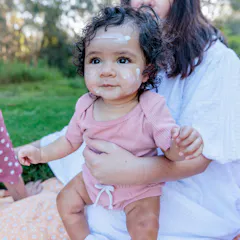
Biological samples and data from Aboriginal and Torres Strait Islander peoples have been misused in the past. So how would we make a new screening program safer?
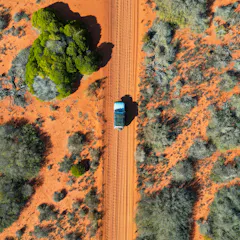
Climate change is disproportionately affecting remote First Nations communities – as three experts explain.
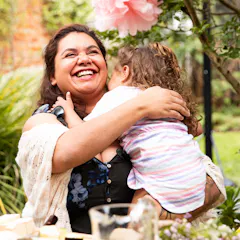
Good oral health is more than having healthy teeth and gums. Indigenous people told researchers why it’s central to their wider health and wellbeing.
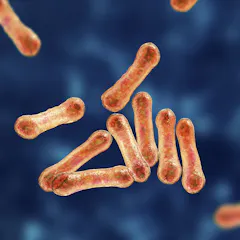
Since January, Australia has recorded more than 220 diphtheria cases. Experts say waning vaccination rates are contributing to this historic outbreak.
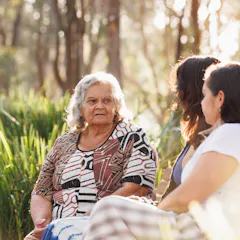
Aboriginal people in remote Australia have no choice but to live in homes too small for their families and face long waits for plumbing and washing machine repairs.
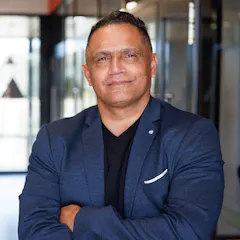
Australia’s new lung cancer screen program further disadvantages Aboriginal and Torres Strait Islander peoples, who are already at increased risk of lung cancer.
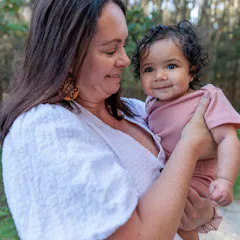
Many Indigenous families around the world say hospital staff often don’t understand their cultures or even give them basic rights during maternity care.
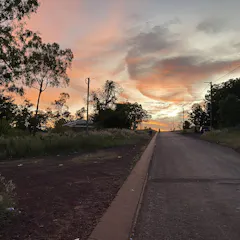
People living in remote Indigenous communities have much higher rates of chronic disease compared to the overall Australian population. This program could help.
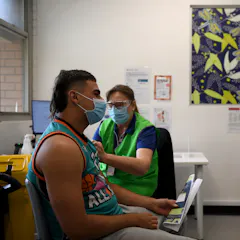
A recent study explored COVID experiences among Indigenous adults in WA. Here’s what we must learn for the next pandemic.
In Aboriginal knowledges, the health of people, family, Mob, culture and Country involve spiritual, emotional and physical dimensions.
In a new review, we explored the impact of physical activity on type 2 diabetes among First Nations Australians. But there wasn’t much data to be found.
Skin infections disproportionately affect children in Australia’s remote Indigenous communities.
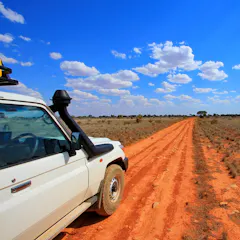
One thing we can do to reduce this transport inequity is make it easier for First Nations people to get their driver’s licence. This also brings individuals and communities many other benefits.

New data on Closing the Gap shows more Indigenous people are in prison, not less.
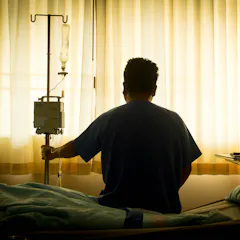
After this model was implemented, the gap in heart health outcomes we measured between First Nations and non-Indigenous patients closed.
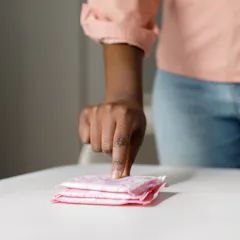
People who menstruate in rural and remote Indigenous communities face a unique set of challenges, and have a particular need for better access to period products.

Poor sleep deprives First Nations people of the chance to connect with culture. So they co-designed a sleep apnoea program they’d actually use.
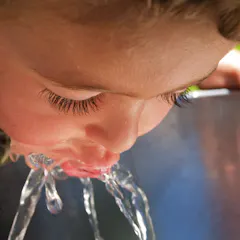
We estimate more than 200 communities across Australia do not have community drinking water fountains. That must change.

If we are to reduce the numbers of Aboriginal and Torres Strait Islander people smoking we need to consider a whole suite or approaches.
Top contributors
-

Postdoctoral Research Fellow, Skin Health, The Kids Research Institute Australia
-
Associate Professor and Senior Fellow, Yardhura Walani, National Centre for Aboriginal and Torres Strait Islander Wellbeing Research, Australian National University
-
Social Scientist and Aboriginal Senior Research Fellow, The Kids Research Institute Australia
-
Chancellor, University of Canberra
-
Team Lead, Healthy Skin and Acute Rheumatic Fever Prevention, The Kids Research Institute Australia
-
Associate Director of Research and Senior Fellow, Yardhura Walani, National Centre for Aboriginal and Torres Strait Islander Wellbeing Research, Australian National University
-
Associate Deputy Vice-Chancellor Academic, Indigenous Advancement, Curtin University
-
Canada Excellence Research Chair in Health Equity and Community Wellbeing; Professor, School of Disability Studies, Toronto Metropolitan University
-
Aboriginal Research Officer, School of Medicine, Western Sydney University
-
Postdoctoral researcher, Charles Darwin University
-
Senior Researcher, Flinders University
-
Adjunct assistant professor, Flinders University
-
Lecturer in Clinical Psychology, Griffith University
-
Professorial Fellow, University of Canberra
-
Associate Professor in Public Health, The University of Queensland