
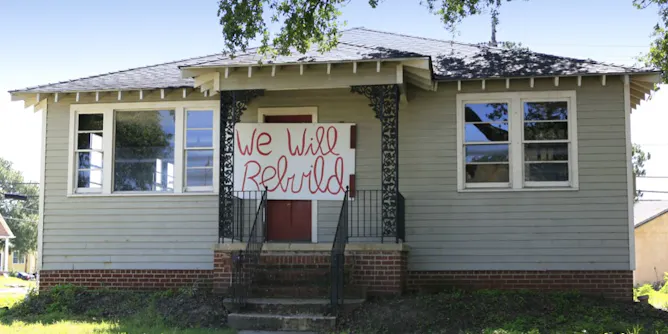
Getting everyone whose lives were thrown off-track back takes a lot of personal effort, paired with work done by a constantly shifting mix of nonprofits and governmental agencies over many years.
Articles on Hurricanes
Displaying 181 - 200 of 303 articles
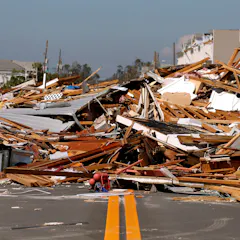
With hurricane season comes the usual efforts by insurance companies and government agencies to calculate the economic costs. An economist explains how they’re doing it wrong.
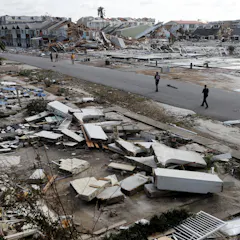
An engineering professor explains why rural areas are especially vulnerable to hurricanes, and what they can do to ensure that no one is left without help.
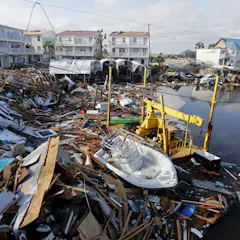
For the start of Atlantic hurricane season on June 1, scholars explain weather forecasting, evacuation orders, inland flooding risks and how social ties influence decisions to stay or flee.
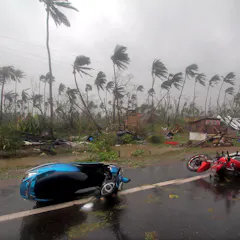
Thousands of lives have been saved thanks to an Indian state’s effective disaster-relief planning.
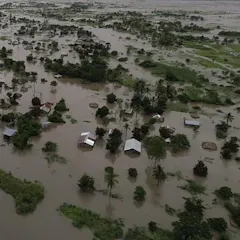
Climate change is making hurricanes more destructive, and may have boosted the intensity of cyclone Idai that hit Mozambique, Zambia and Malawi.
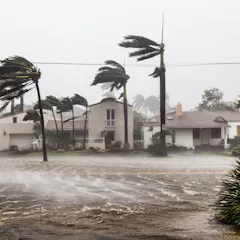
Storm clusters with even more power to devastate have been rising in frequency.
Increasingly severe losses for insurers due to climate change could result in a global financial crisis.
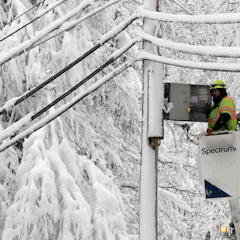
Making electric grids better able to withstand extreme weather events will require teamwork from engineers, researchers and the government.
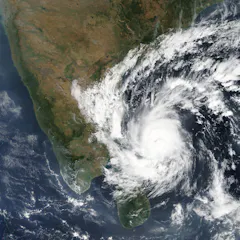
As global warming intensifies violent weather events, the most vulnerable countries affected need help to respond more effectively.
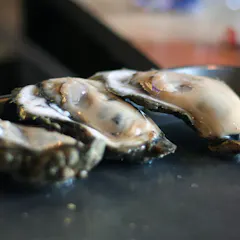
Oysters are big business along the Gulf Coast, but raising them off-bottom – which yields a premium product – is just starting there. Hurricane Michael showed it won’t be easy.
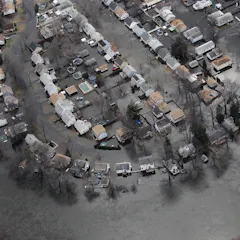
Coastal real estate prices appear to be taking a hit, but mostly in neighborhoods with more climate change believers.
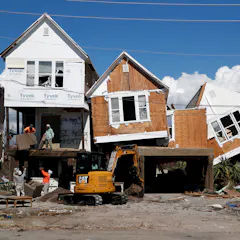
Convincing people to see and appreciate the threats posed by climate change is one of the great challenges of our day. Insurers may be able to succeed where scientists and educators have failed.
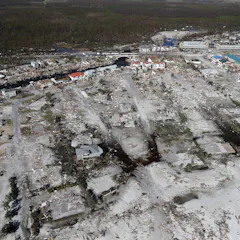
Government agencies spend millions of dollars yearly to buy and demolish homes sited in floodplains. But the program is slow, cumbersome and doesn’t always help those who need it most.
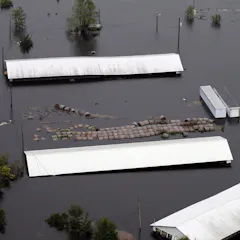
Cheap fossil fuels contort the global economy in ways that have systematically harmed some and benefited others. Justice demands that those of us who have benefited take responsibility.
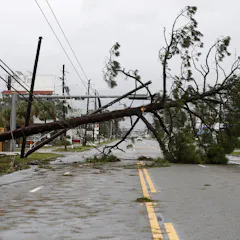
Hurricanes Michael and Florence have knocked power out for millions of people. Burying power lines could help but the costs are high.
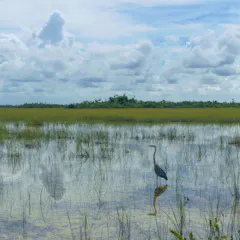
Coastal development is destroying marshes, mangroves and other wetlands that provide valuable protection from hurricanes and storms. Research shows these benefits can be worth millions of dollars.
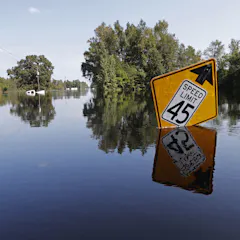
Hurricanes frequently move inland in the southeast US, causing widespread river flooding, but emergency plans focus on protecting people in coastal communities.
A peaceful society requires us to trust our public institutions, but in order to do so, we must question them. Questions are a healthy and necessary response to a world filled with uncertainty.
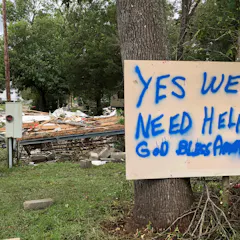
Donations to relief efforts tend to dry up within a few months.
Top contributors
-

Professor Emeritus of Geography, Louisiana State University
-
Professor of Atmospheric Science and Colorado State Climatologist, Colorado State University
-
ARC Future Fellow and Associate Professor in Climate Science, ARC Centre of Excellence for 21st Century Weather, The University of Melbourne
-
Associate Professor of Landscape Architecture and Urban Planning, Texas A&M University
-
Professor of Geology and Environmental Geosciences, University of Dayton
-
Professor of Political Science, Public Policy and Urban Affairs, Northeastern University
-
Director of Energy Studies, University of Florida
-
Furman Public Policy Scholar, New York University
-
Professor of Climate Science, UMass Lowell
-
Professor of Oceanography, University of Miami
-
Associate Professor of Human Development and Family Studies, Demography and Public Policy, Penn State
-
Assistant Professor of Nursing, University of Michigan
-
Postdoctoral research associate, University of Edinburgh
-
Distinguished Scholar, National Center for Atmospheric Research; Affiliate Faculty, University of Auckland, Waipapa Taumata Rau
-
Research Fellow, American University School of Public Affairs