
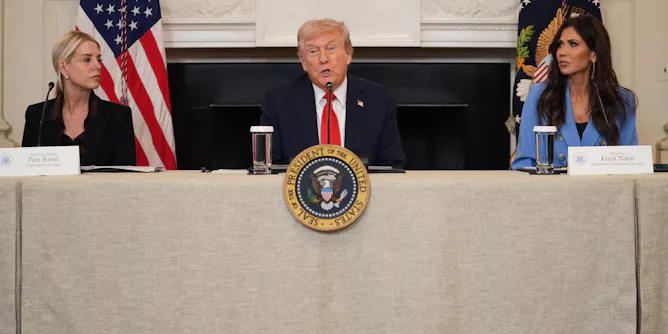
Kristi Noem’s claim that antifa is like the Islamic State group blurs the line between protest and terrorism – a political move unsupported by evidence.
Articles on Hurricane Harvey
Displaying 1 - 20 of 68 articles
None of the three main options could handle another Hurricane Harvey, but they would give varying benefits based on different sizes, costs and timelines.
After a natural disaster, survivors often suffer from prolonged trauma for years to come, particularly in places where mental health services are few and far between.
Climate change is making oceans more acidic globally. Now, scientists are finding that large storms can send pulses of acidic water into bays and estuaries, further stressing fish and shellfish.
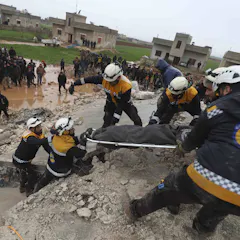
Using space imagery can help guide relief efforts to critical areas during a natural disaster.
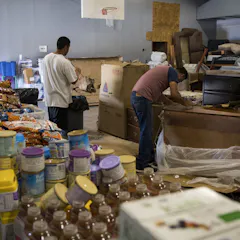
Research conducted in Southeast Texas casts light on the toll disasters can take on groups that serve as pillars of their communities.
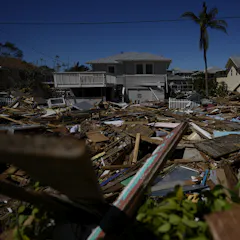
Research on Hurricane Harvey found that flood insurance and strong social networks were key factors in determining how quickly people recovered, regardless of socioeconomic status.
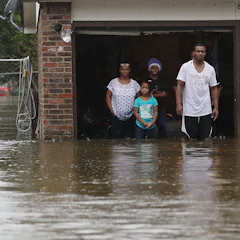
New risk models show nearly twice as many properties are at risk from a 100-year flood today than the government’s flood maps indicate.
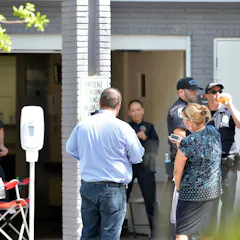
Hurricane season presents special dangers for elders, particularly for those in nursing homes and assisted living. Research indicates sheltering-in-place may actually be less risky than evacuating, at times.
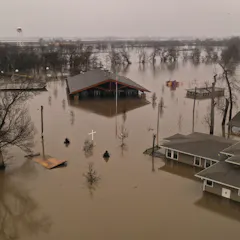
The Trump administration has proposed a major revamp of the National Flood Insurance Program since its inception in 1968. Here’s why it needs fixing.
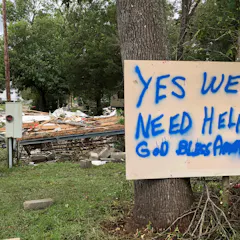
Donations to relief efforts tend to dry up within a few months.
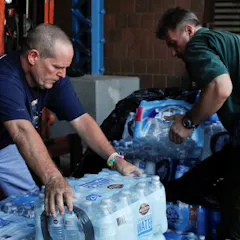
If you would like to assist from afar, let the professionals procure goods and services.
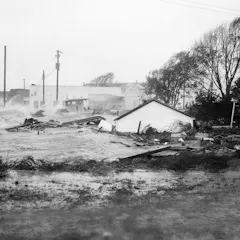
As Hurricane Florence is expected to pound the Carolinas with significant flooding, an insurance expert explains how the program designed to help the millions affected recover.
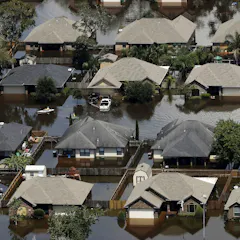
Many people board up their houses and stay in place during disasters – but often they aren’t prepared to go without water, power or transportation for days or weeks afterward.
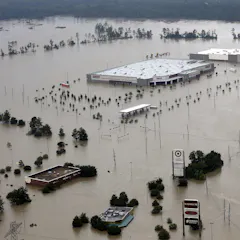
Hurricane Harvey swamped much of Houston in 2017, causing more damage than all other US hurricanes except Katrina. But now the city is authorizing construction in zones at high risk for flooding.
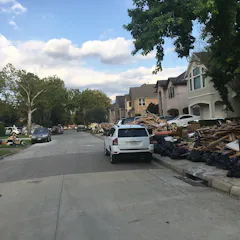
After disasters, communities often push to rebuild as quickly as possible. A public health expert says they should aim higher and fix problems that exist pre-storm.
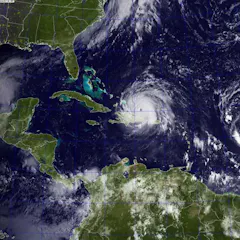
New research suggests politics and risk perception may explain why the US and Caribbean see climate change so differently, though both places are ever more vulnerable to powerful hurricanes.
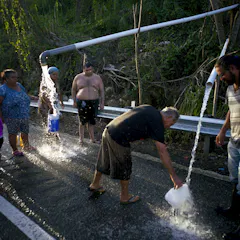
Climate change threatens to widen the health gap between the haves and have-nots. Here’s why addressing environmental issues that drive poor health is a starting point.
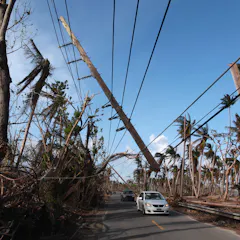
2017 brought wild, wacky and even deadly weather. Australia was hit by heatwaves and torrential rains, plus some surprisingly cool spells. Hurricanes hit America, and a killer monsoon lashed Asia.
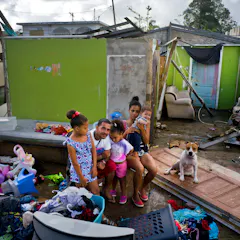
Charitable giving and government aid can shortchange disasters that follow other disasters.
Top contributors
-

Furman Public Policy Scholar, New York University
-
Professor Emeritus of Risk Management and Insurance, Georgia State University
-
Professor of Public Administration, Binghamton University, State University of New York
-
ARC Future Fellow and Associate Professor in Climate Science, ARC Centre of Excellence for 21st Century Weather, The University of Melbourne
-
Associate Professor of Geography, University of Alabama
-
Associate Professor, School for the Future of Innovation in Society and The Polytechnic School; Co-Director Center for Smart Cities and Regions, Arizona State University
-
Glenn Family Chair Emeritus of Economics and Philanthropic Studies, Indiana University
-
Research Fellow, American University School of Public Affairs
-
Director, Civilian-Military Humanitarian Response Program, US Naval War College
-
Research Social Scientist, International Institute of Tropical Forestry
-
Senior research scientist, Stellenbosch University
-
Faculty in Medical Toxicology, Brigham & Women's Hospital, Harvard University
-
County Extension Director and Family and Consumer Sciences Agent IV, University of Florida
-
Director of Energy Studies, University of Florida
-
Professor of the Future of Innovation in Society, Arizona State University