
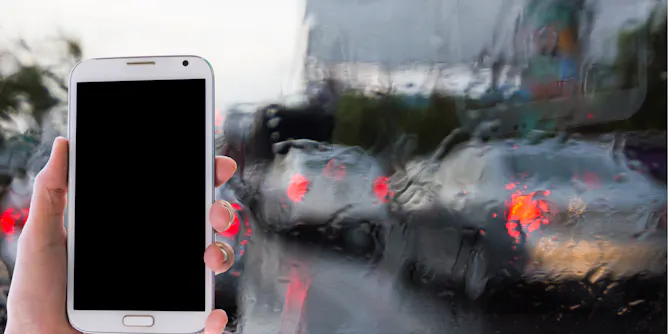
Social media apps are becoming as important as water, food and batteries when communities face natural disasters. One key function is helping people connect with neighbors and support each other.
Articles on Hurricanes
Displaying 261 - 280 of 303 articles
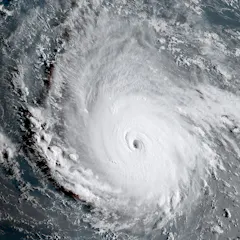
Saturated media coverage of hurricanes like Harvey and Irma can make it seem like disasters happen all the time. Is the frequency of billion-dollar disasters really rising?
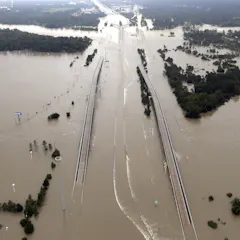
After extreme weather events like Hurricane Harvey, city planners need to think about the smartest way to rebuild. Here are some no-regrets infrastructure investment ideas.
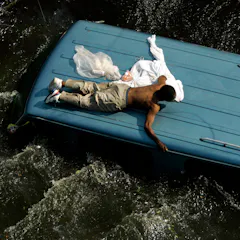
Researchers examined credit data on the victims of Hurricane Katrina to understand how the disaster affected their personal finances, revealing important lessons for those hurt by Harvey.
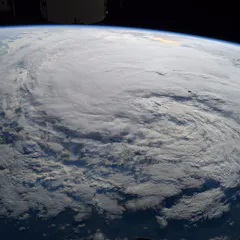
Three atmospheric scientists from Texas say Hurricane Harvey shows how the country needs to adapt to the effects of climate change and cut carbon emissions.
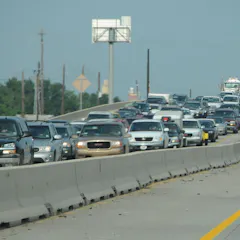
Why did some Texas coastal cities order mandatory evacuations ahead of Hurricane Harvey while others, including Houston, did not? There is no formula for these decisions; either choice can backfire.
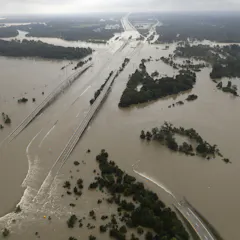
Many people may have stayed put during Hurricane Harvey because no storm that big had struck Texas since 1961. But like New Orleans after Katrina, Texas is likely to be much better prepared next time.
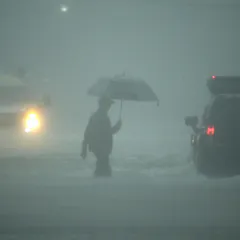
An expert in extreme weather events explains why the rain – and thus flooding – associated with Hurricane Harvey has been ‘unprecedented.’
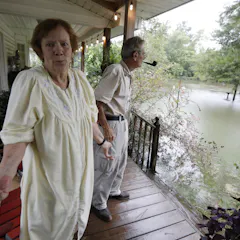
Evacuations and disruptions to health care during and after disasters like Hurricane Harvey are serious threats for older adults, who may need support well after relief operations end.
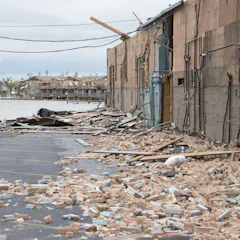
The widespread discussion as to whether the Hurricane Harvey disaster was caused by climate change or not is a dangerous distraction from the real issues.
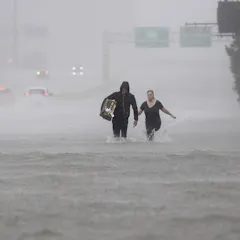
As Hurricane Harvey shows, flooding can happen wherever large storms stall and dumps lots of rain. A new study finds that development is increasing in flood zones inland, where people may not think they are at risk.
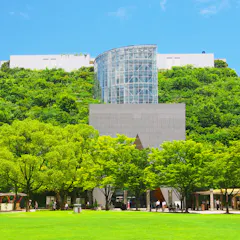
Green roofs could play a critical role in helping cities cope with extreme rainfall events in the age of climate change. The roofs essentially suck up stormwater like sponges if designed properly.
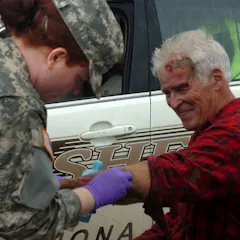
New research shows that older people are especially at risk during and after natural disasters, and may need medical help or other support well after relief operations end.
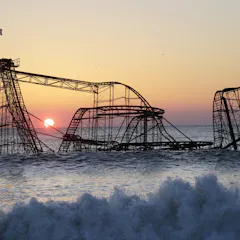
As the rich move away from disaster-prone areas, the poor may be left behind.
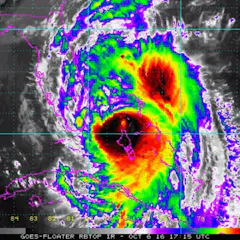
Two atmospheric scientists explain how they weigh evidence such as ocean temperatures, wind speeds and other climate patterns to predict how many Atlantic hurricanes are likely to form this year.
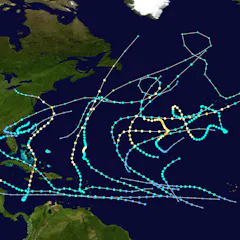
Major hurricanes threaten millions of people and billions of dollars in property along the Atlantic coast. Here experts advise on preparing, understanding forecasts and recovering after a storm.
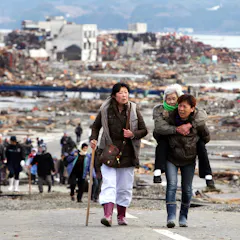
Disaster preparations often focus on gear and logistics, but research in Japan after the 2011 earthquake and tsunami shows that strong social ties played a key role in helping communities rebound.
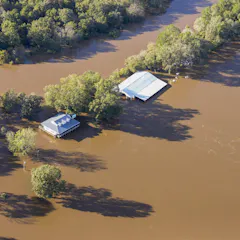
Why do some people evacuate ahead of disasters while others stay put? The rising death toll from Hurricane Matthew shows that often the poor and vulnerable are least able to move.
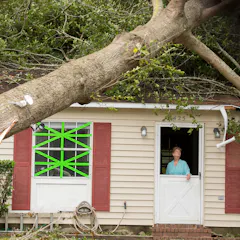
Conservative commentators accused government officials last week of hyping risks from Hurricane Matthew. A meteorologist explains why this is impossible in the internet era.
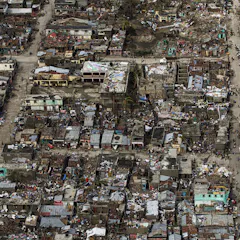
At least 1,000 people perished when Hurricane Matthew battered Haiti last week, destroying houses and displacing tens of thousands
Top contributors
-

Professor Emeritus of Geography, Louisiana State University
-
Professor of Atmospheric Science and Colorado State Climatologist, Colorado State University
-
ARC Future Fellow and Associate Professor in Climate Science, ARC Centre of Excellence for 21st Century Weather, The University of Melbourne
-
Associate Professor of Landscape Architecture and Urban Planning, Texas A&M University
-
Professor of Geology and Environmental Geosciences, University of Dayton
-
Professor of Political Science, Public Policy and Urban Affairs, Northeastern University
-
Director of Energy Studies, University of Florida
-
Furman Public Policy Scholar, New York University
-
Professor of Climate Science, UMass Lowell
-
Professor of Oceanography, University of Miami
-
Associate Professor of Human Development and Family Studies, Demography and Public Policy, Penn State
-
Assistant Professor of Nursing, University of Michigan
-
Postdoctoral research associate, University of Edinburgh
-
Distinguished Scholar, National Center for Atmospheric Research; Affiliate Faculty, University of Auckland, Waipapa Taumata Rau
-
Research Fellow, American University School of Public Affairs