
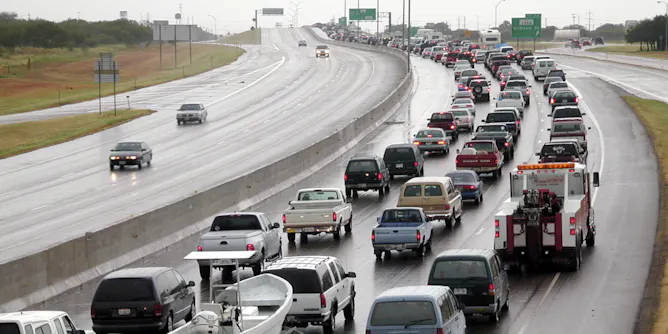
Many factors can influence people to evacuate or stay in place when disasters threaten. New research using Facebook posts suggests that people with broad social networks are more apt to move.
Articles on Hurricanes
Displaying 221 - 240 of 303 articles
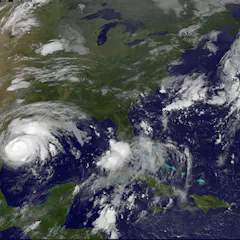
Large-scale emergencies can be a strain, even in one of the world’s richest countries. Population growth, income inequality and fragile supply chains may make the problem worse.
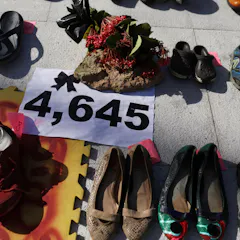
A survey shows that most Puerto Ricans didn’t highly rate the official information coming out of the island. With the Institute of Statistics in trouble, the situation is likely not to improve.
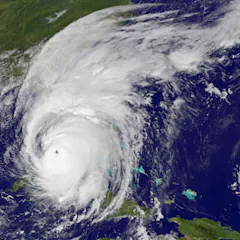
The 2018 hurricane season starts on June 1, with some communities still recovering from 2017 storms. Scholars offer insights about where the risks lie and who is most vulnerable during and after hurricanes.
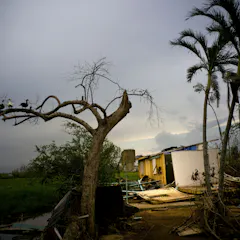
Official reports state that just 64 people died in Puerto Rico after Hurricane Maria. The latest estimates put the real number at 4,645. How did the count go so wrong?
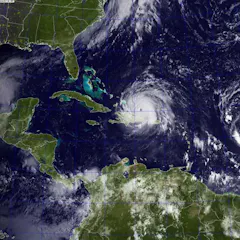
New research suggests politics and risk perception may explain why the US and Caribbean see climate change so differently, though both places are ever more vulnerable to powerful hurricanes.
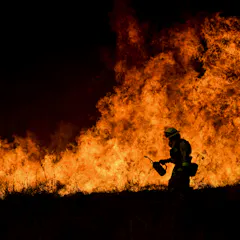
A survey of recent global trends in temperature and rainfall – and a lesson for Mr Trump on the difference between weather and climate.
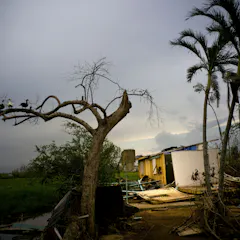
The governor of Puerto Rico has ordered a recount of the official death toll for Hurricane Maria. The real number is likely higher by the hundreds. What happened?

Climate change is raising global sea levels. Now research shows that ‘hot spots’ where seas rise another 4 to 5 inches in five years can occur along the Atlantic and Gulf coasts, further magnifying floods.
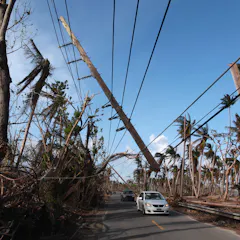
2017 brought wild, wacky and even deadly weather. Australia was hit by heatwaves and torrential rains, plus some surprisingly cool spells. Hurricanes hit America, and a killer monsoon lashed Asia.
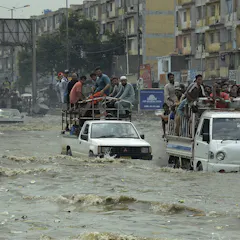
By 2050, climate change impacts such as storms and drought could displace up to 300 million people worldwide. Nations should recognize ‘climate migrants’ and make plans for aiding and resettling them.

A meteorologist and a music technologist team up to turn the data from tropical storms into musical graphs.
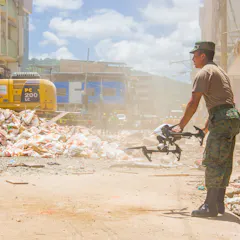
Stand by for drones, robots and sensors to the rescue.
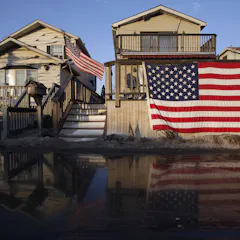
Five years after Superstorm Sandy, we see how disadvantaged social groups suffered more from the storm before and after – much as we’re seeing in Hurricanes Harvey and Maria.
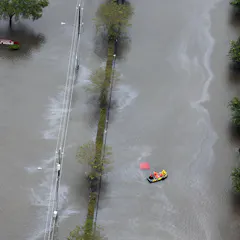
It’s not just about rebuilding infrastructure after storms: Cities need to systematically rethink their knowledge systems which are at the heart of urban resilience.
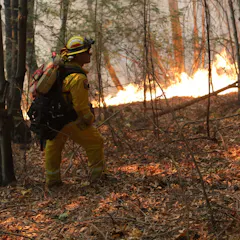
This year is poised to go down as the hottest non-El Niño year ever recorded, with record low polar ice and extreme weather that left many regions battling bushfires and hurricanes.
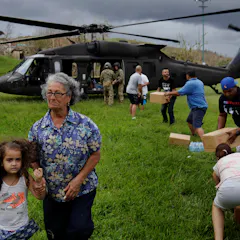
Two hurricanes in Puerto Rico’s past fundamentally transformed the island’s economy and politics. Maria will be the third, says a historian.
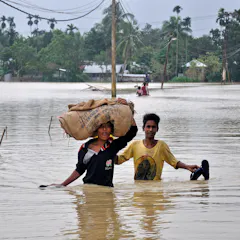
Extreme weather events are inevitably followed by disease outbreaks. So why not team health professionals with climate experts?
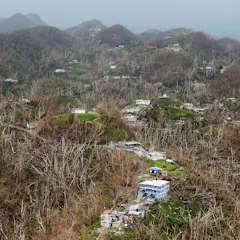
A Puerto Rican librarian with a personal relationship to hurricanes describes the brutal reality of life on this Caribbean island more than a month after Maria and Irma left their mark.
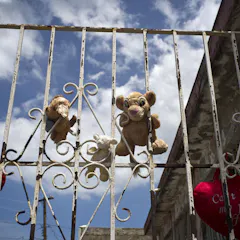
Long after the hurricane’s over and the power comes back, residents can still experience lasting mental health issues.
Top contributors
-

Professor Emeritus of Geography, Louisiana State University
-
Professor of Atmospheric Science and Colorado State Climatologist, Colorado State University
-
ARC Future Fellow and Associate Professor in Climate Science, ARC Centre of Excellence for 21st Century Weather, The University of Melbourne
-
Associate Professor of Landscape Architecture and Urban Planning, Texas A&M University
-
Professor of Geology and Environmental Geosciences, University of Dayton
-
Professor of Political Science, Public Policy and Urban Affairs, Northeastern University
-
Director of Energy Studies, University of Florida
-
Furman Public Policy Scholar, New York University
-
Professor of Climate Science, UMass Lowell
-
Professor of Oceanography, University of Miami
-
Associate Professor of Human Development and Family Studies, Demography and Public Policy, Penn State
-
Assistant Professor of Nursing, University of Michigan
-
Postdoctoral research associate, University of Edinburgh
-
Distinguished Scholar, National Center for Atmospheric Research; Affiliate Faculty, University of Auckland, Waipapa Taumata Rau
-
Research Fellow, American University School of Public Affairs