
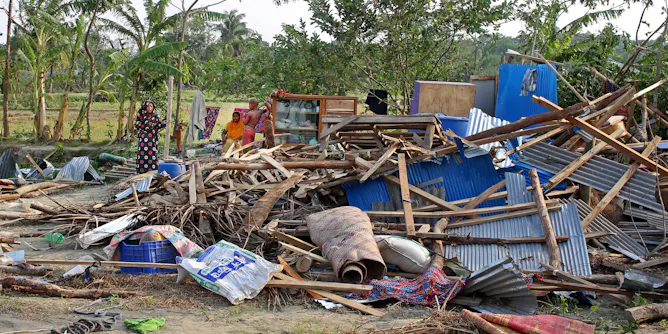
Most climate aid arrives after the disaster. A handful of countries are proving it doesn’t have to.
Articles on Hurricane
Displaying 1 - 20 of 79 articles
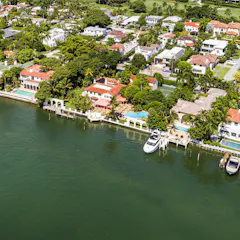
Subsidized insurance makes waterfront property seem safer than it is for wealthier buyers, while many low-income homeowners face repeat disasters with no help.
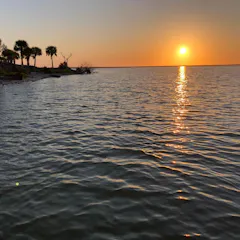
After years of collapse, seagrass in Florida’s Mosquito Lagoon rebounded unexpectedly following 2022 hurricanes, offering new insight into ecosystem resilience.
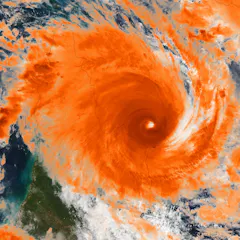
Tropical cyclones can be even more deadly – and for a wider range of reasons – than we ever thought.
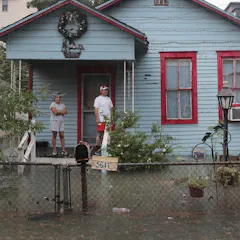
Low-income neighborhoods have the hardest time recovering from disasters without help. FEMA used to require cities to pay attention to them, but that’s changing.
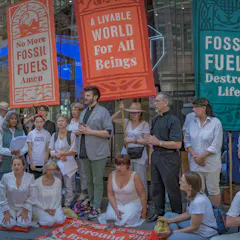
Churchgoers who think their religious leaders don’t believe humans are driving climate change are less likely to discuss it with fellow congregants or take action to mitigate the effects.

Trump’s rhetoric about the future of FEMA is concerning, especially during ongoing disasters.
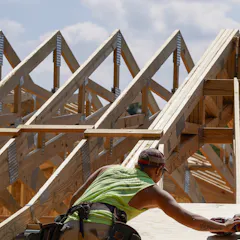
In interviews with residents and builders after disasters from Hawaii to Colorado to Puerto Rico, an engineer and policy specialist found people often overestimating the cost of building back better.

Terror management theory explores the lengths our minds will go to to deny existential threats. Psychologists explain what that can mean for climate denial.
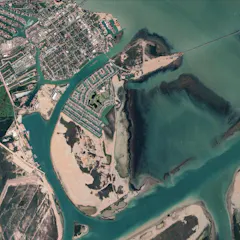
Some cities are building huge gates and barriers to counter the flood risk from estuary urbanization. But putting nature to work in a big way might be more effective.
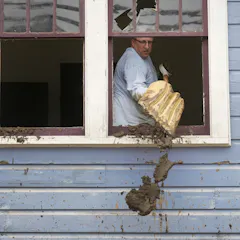
Disasters such as hurricanes Helene and Milton often hit low-income and other disadvantaged groups hardest. 2 policy experts suggest ways long-term aid could help.

Disaster relief requires cooperative, healthy relationships between the president, federal agencies and state, local and tribal governments. But with politicians in the mix, trouble can happen.
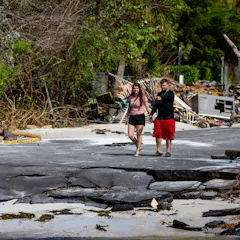
Natural disasters create practical challenges for voters and election administrators. But in some cases, voters can also pin the blame on the government, or judge a candidate by the federal response.
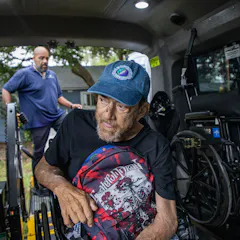
Evacuating is expensive, and for some people the risks of leaving can seem greater than staying despite the storm.
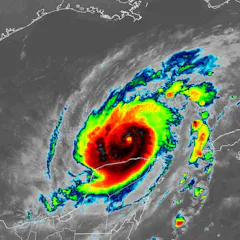
Milton’s fast spin-up in the Gulf of Mexico was one of the most rapid intensifications on record. Two scientists who study hurricanes explain why this happens and what’s changing.

Helene’s size and speed worsened everything from its storm surge to its extreme flooding in the mountains. And another hurricane was coming right on Helene’s heels.

Ancient Maya peoples knew that human beings are not independent from nature but part of it.
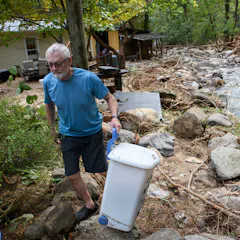
Weather disasters, particularly floods, can create health threats that linger for months, from infected cuts to mold growth to mental stress.
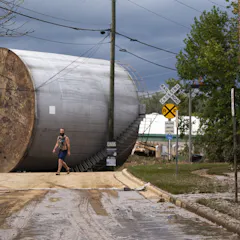
People living near these industries, as well as emergency responders, often have few details about the chemicals inside. New interactive maps pinpoint the risks.
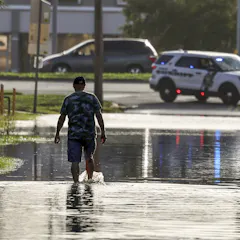
Researchers tracked power outages after 8 major storms to see how wealth corresponded to recovery time.
Top contributors
-

Professor of Landscape Architecture and Urban Planning, Texas A&M University
-
Professor of Atmospheric Science and Colorado State Climatologist, Colorado State University
-
Atmospheric Science Educator, Georgia Institute of Technology
-
Associate Professor of Landscape Architecture and Urban Planning, Texas A&M University
-
Associate Professor of Disaster and Emergency Management, York University, Canada
-
Associate Professor and Associate Director of the Hazards Vulnerability and Resilience Institute, University of South Carolina
-
Assistant Professor of Finance, St. Joseph's University
-
PhD Candidate in Disaster Risk Reduction, UCL
-
Professor of Public Management and Policy, Georgia State University
-
Professor and Director, Climate Science Center, Texas Tech University
-
Senior Lecturer/Associate Professor, Department of Government, University of Essex
-
Senior Scientist, Royal Netherlands Meteorological Institute
-
Associate Professor, Associate Chair of Graduate Studies for Environmental Engineering, and Canada Research Chair in Stormwater and Low Impact Development (Tier II), Carleton University
-
Associate Professor of Business, Boston University
-
Senior Lecturer in Physical Sciences, The Open University