
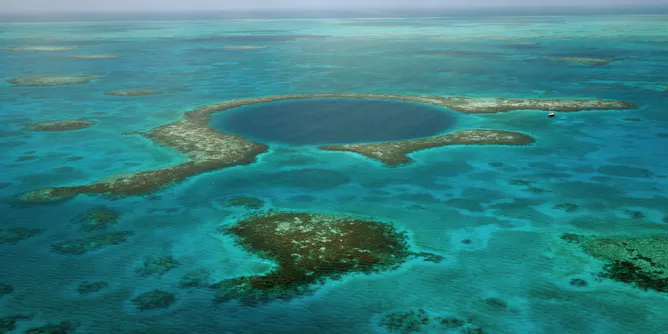
A look back at hurricane history suggests we may be significantly underestimating future risks.
Articles on Hurricanes
Displaying 101 - 120 of 303 articles
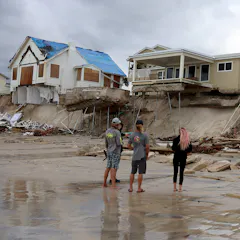
Dozens of homes near Daytona Beach collapsed or were left unstable when Hurricane Nicole struck. Here’s what can be done to reduce that kind of risk.
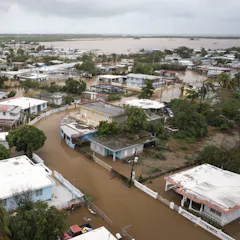
Within two weeks of Hurricane Fiona, FEMA had accepted most Puerto Rican housing aid applications. Nearly all those early approvals cover only $700 in assistance and won’t pay the tab for rebuilding.
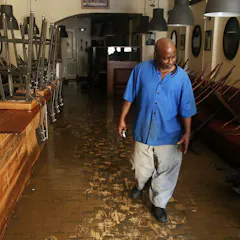
Research shows that coastal businesses’ hurricane recovery depends on workers being able to return.
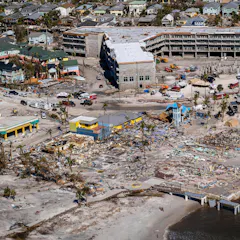
A recovery expert explains what these estimates include and what could be done to make disasters less costly.
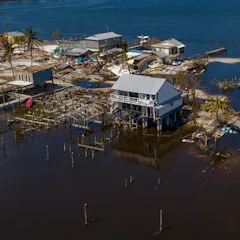
Artificial intelligence can spot differences in images from before and after a storm over wide areas in almost real time. It showed Hurricane Ian’s vast damage in Florida.
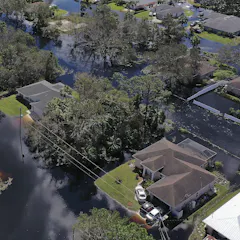
About 9% of homeowner property claims nationwide are filed in Florida, yet 79% of lawsuits related to property claims are filed there.
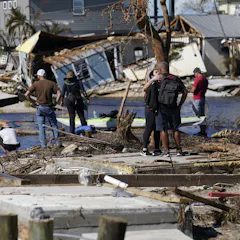
Many government agencies help people whose lives are thrown off course, but not everyone is eligible or able to access that aid.
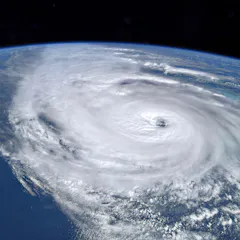
Warming ocean water is ‘rocket fuel’ for increasingly destructive hurricanes.
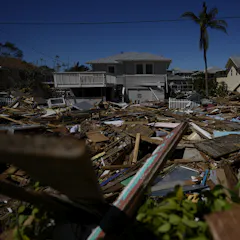
Research on Hurricane Harvey found that flood insurance and strong social networks were key factors in determining how quickly people recovered, regardless of socioeconomic status.
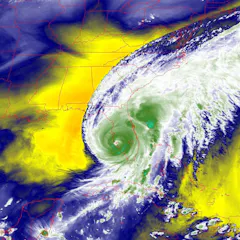
Two hurricane and climate scientists explain what’s known – and still unknown – about global warming’s influence on intensity, rainfall and much more.

Evacuations can save lives, as in the case of post-tropical cyclone Fiona. As more frequent extreme weather events are set to occur, it is important to have evacuation plans in place.
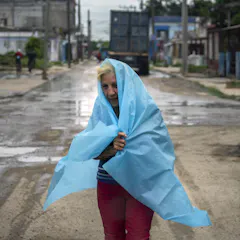
For some people, the risks associated with leaving can seem more dangerous than the storm.
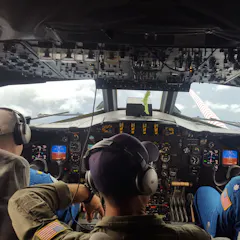
The meteorologist leading NOAA’s 2022 hurricane field program describes flying through eyewalls and the technology in these airborne labs for tracking rapid intensification in real time.
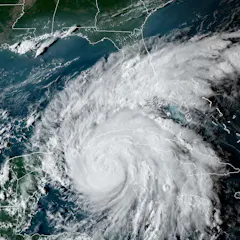
Much of the state is at risk of heavy rainfall, and the coast could see devastating storm surge, particularly around Tampa Bay.

Hurricane Fiona is the most devastating storm to hit Atlantic Canada. International collaboration between ocean measurement institutions is necessary to help efficiently plan responses to hurricanes.

Hurricanes don’t usually maintain high wind speeds as they make their way toward Atlantic Canada. But ocean warming may be linked to the increasing intensity of storms like Fiona.

Telling people they have a flood risk rating of 10 is less powerful than explaining how much they’re likely to pay to deal with flooding over the next five years.

The test facility in Miami helps building designers prevent future storm damage. With the warming climate intensifying hurricanes, engineers are planning a new one with 200 mph winds and storm surge.

An invasive Australian tree is exploiting ever-stronger hurricanes.
Top contributors
-

Professor Emeritus of Geography, Louisiana State University
-
Professor of Atmospheric Science and Colorado State Climatologist, Colorado State University
-
ARC Future Fellow and Associate Professor in Climate Science, ARC Centre of Excellence for 21st Century Weather, The University of Melbourne
-
Associate Professor of Landscape Architecture and Urban Planning, Texas A&M University
-
Professor of Geology and Environmental Geosciences, University of Dayton
-
Professor of Political Science, Public Policy and Urban Affairs, Northeastern University
-
Director of Energy Studies, University of Florida
-
Furman Public Policy Scholar, New York University
-
Professor of Climate Science, UMass Lowell
-
Professor of Oceanography, University of Miami
-
Associate Professor of Human Development and Family Studies, Demography and Public Policy, Penn State
-
Assistant Professor of Nursing, University of Michigan
-
Postdoctoral research associate, University of Edinburgh
-
Distinguished Scholar, National Center for Atmospheric Research; Affiliate Faculty, University of Auckland, Waipapa Taumata Rau
-
Research Fellow, American University School of Public Affairs