

The possibilities of ‘more human than human’ artificial intelligence and the dangers of playing God and are not new – they’re the subjects of one of the world’s first science-fiction novels.
Articles on Guide to the Classics
Displaying 41 - 60 of 108 articles

The tragedy of Macbeth issues a warning for our times about the harm that is done when the desire for power drowns out the inner voice of conscience.
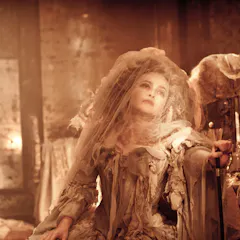
It is one of Dickens’ best loved novels and an exposé of the class system, but the book’s depiction of women has proved divisive.

Hamlet, the tormented prince of Denmark, embodies our own struggles: between reason and violence, courage and inaction. He is a modern character in an endlessly quotable play.

Why is a medieval Tibetan text about death so enduringly popular?

Written more than 200 years ago, Kant’s Toward Perpetual Peace sets out a plan for peace we can still aspire to achieve.
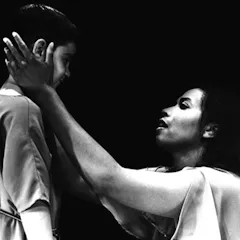
The Trojan Women is a genocide narrative. In this play, the great Athenian dramatist Euripides explores the enslavement of women, human sacrifice, rape and infanticide.
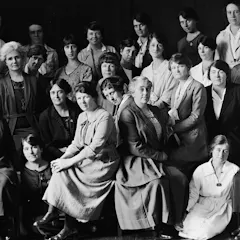
From the author of The Yellow Wallpaper, Herland is a feminist classic: darkly comic and rich with irony.
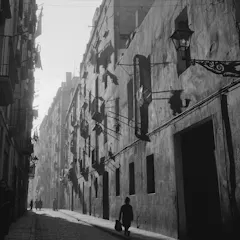
Shamefully under-read in English yet a giant of Spanish literature, Nada is unsentimental but deeply human.

Samuel Beckett’s first play was once most notorious for the audible yawns, walkouts (and fights) during interval. But it is a play of great insight into the condition of waiting.
Addressed to a ‘fair youth’ and later, ‘a dark lady’, the sonnets are less well known than Shakespeare’s plays. A journey into them is an unsettling and beguiling literary adventure.

In this influential novel, two Persians travel to Paris and report their bemusement at its customs. Questions such as the dilemmas of tolerance and the social nature of our identities are explored.
A gem of restrained outrage, Voltaire’s novella speaks powerfully to us in this time of pandemics, floods, conspiracy theories and growing incivility.
First published 150 years ago, this work is shaped by Victorian-era sexual and racial stereotypes. But at a time when other evolutionists stressed humanity’s uniqueness, Darwin emphasised our ‘lowly nature’.
First published in 1865, Lewis Carroll’s children’s book has never been out of print. It continues to appeal to adults who prefer childhood.
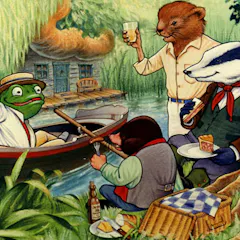
Written by Kenneth Grahame as a story for his young son, The Wind in the Willows has also been read as a social satire and a gay allegory.
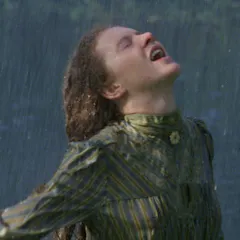
Miles Franklin’s masterpiece features an untamed, unapologetic heroine, positing a choice between career and love rather than women ‘having it all’.
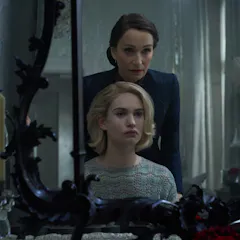
A new Netflix adaptation of Rebecca stars Lily James and Armie Hammer. The novel on which it is based, first published in 1938, explores domestic entrapment.
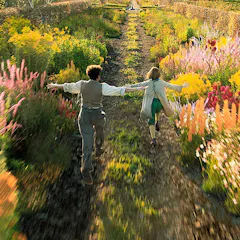
A new film version of Frances Hodgson Burnett’s The Secret Garden opens today. First published in 1911, the novel foregrounds Edwardian beliefs about the importance of gardens that still resonate.
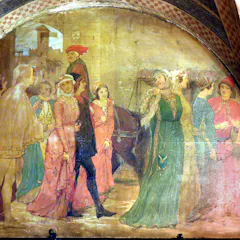
Written between 1348 and 1353, the Decameron is a prescription for psychological survival, a way of mentally distancing from today’s death counts and grim economic forecasts.
Top contributors
-

Lecturer in Politics and International Relations, University of Sydney
-
Professor in Philosophy, Australian Catholic University
-
Emeritus Professor of Classics, La Trobe University
-
Professor, Department of Classics and Ancient History, University of Sydney
-
Lecturer in Literary Studies, Monash University
-
Professor of Classics and Head of the Centre for Classical Studies, Australian National University
-
Associate Professor, English and Creative Writing, Edith Cowan University
-
Senior Lecturer in English, University of Sydney
-
Lecturer, the School of Liberal Arts, The University of Wollongong, University of Wollongong
-
Associate Professor in Chinese Studies, University of Sydney
-
Honorary Professor of Classics and Ancient History, School of Historical and Philosophical Inquiry, The University of Queensland
-
Associate Professor in Writing Studies, Discipline of English and Writing, University of Sydney
-
Honorary Associate, Classics and Ancient History, La Trobe University
-
Professor, School of Culture and Communication, The University of Melbourne
-
Senior Lecturer in English, UNSW