
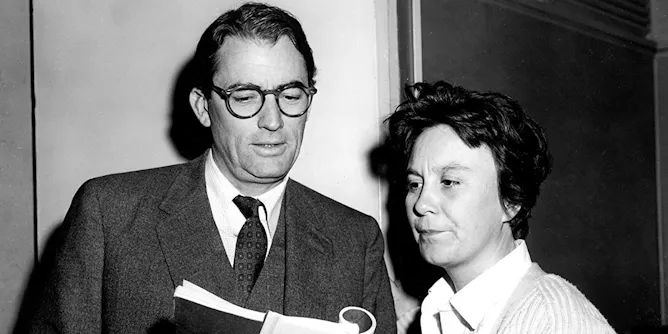
To Kill a Mockingbird is no sermon. Its lessons are presented in effortless style, tackling the complexity of race issues with startling clarity and a strong sense of reality.
Articles on Guide to the Classics
Displaying 81 - 100 of 108 articles
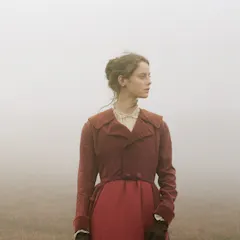
This week is the 200th anniversary of Emily Bronte’s birth. If reading Wuthering Heights - her only published novel - feels like a suspension in a state of waking nightmare, what a richly-hued vision of the fantastical it is.
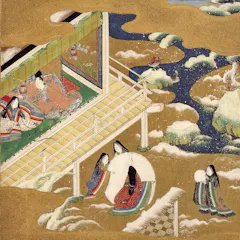
Murasaki Shikibu, the author of The Tale of Genji, served in the Japanese imperial court. She transformed her experiences into an intricate narrative fusing fiction, history, and poetry.
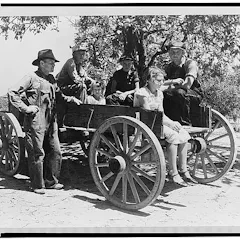
William Faulkner began writing As I Lay Dying the day after the 1929 Wall Street crash. It documents, through the voices of 15 characters, the emergence of a poor white family into the modern world.

Completed by Cervantes when he was in prison, Don Quixote is the tale of a man so passionate about reading he leaves home to live the life of his fictional heroes.

In this age of the pseudo-factual, its more important than ever to acquaint ourselves with the foundations of the scientific tradition, such as Darwin’s Origin of Species.

In our ongoing Guide to the Classics series, we look at Heart of Darkness: the product of dark historical energies that continue to shape our contemporary world.
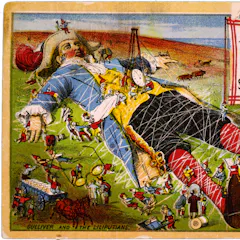
In its abridged form, Gulliver’s Travels has become a children’s classic. But in full, it is a misanthropic satire, scathing of politicians.
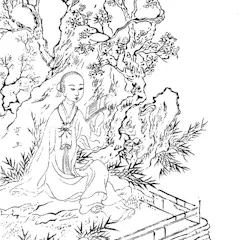
Dream of the Red Chamber, by Cao Xueqin, follows the travails of a pubescent boy. Somehow, through the spats, crushes and rivalries of a handful of teenagers, the great questions of the human condition are broached.
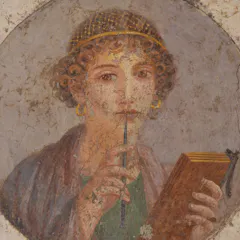
Sappho sang of desire, passion and love – mostly directed towards women. As new fragments of her work are found, a fuller picture of her is emerging, but she remains the most mysterious of ancient poets.
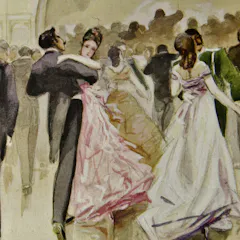
Leo Tolstoy’s Anna Karenina is often acclaimed as the best novel ever written. The enthralling narrative explores love and family through intertwining plot lines, with Anna and her desire at the centre.
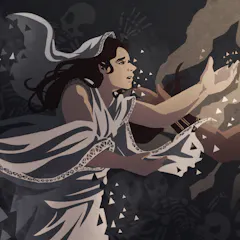
Journeys to the Underworld – Greek myth, film and American anxiety
The Conversation36.9 MB (download)
Our new podcast, Essays On Air, features the most beautiful writing from Australian researchers. Today, classics expert Paul Salmond explores how modern cinema directors borrow from Greek legends.

Suetonius’s unforgettable tales of sex, scandal, and debauchery have ensured that his writing has played a significant role in shaping our perceptions of imperial Rome.

Virgil’s epic poem The Aeneid documents the founding of Rome by a Trojan hero. As with other ancient epics, our hero has to remain resolute in the face of significant divine hostility.
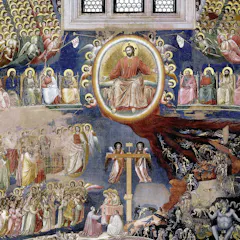
The gates to hell in Dante Alighieri’s Divine Comedy tell us to “abandon all hope, yet who enter here”. Despite its unfunny premise, ‘La Commedia’ ends well, with its protagonist Dante reaching heaven.

The story of the Odyssey is a quintessential quest that relates to the passage through life and the importance of love, family and home. Odysseus’s adventures have influenced everyone from Batman to Bob Dylan.
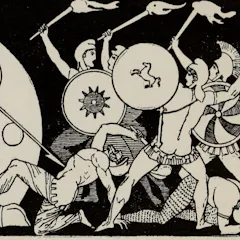
A central idea in the Iliad - a poetic work focused on the war for Troy - is the inevitability of death. The poem held a special place in antiquity, and has resonated in the millennia since.
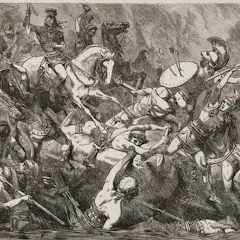
As populism reemerges, Thucydides’s insights into the power of words to influence public sentiments remain acutely up-to-date.
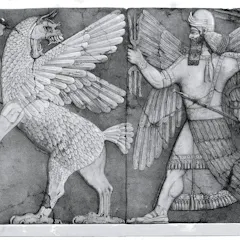
From environmentalism to the meaning of life, the themes of the world’s most ancient epic are still remarkably relevant to modern readers.
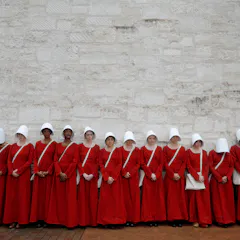
With a new TV series based on the novel - and its bleak vision of women’s rights - The Handmaid’s Tale is riding a new wave of popularity.
Top contributors
-

Lecturer in Politics and International Relations, University of Sydney
-
Professor in Philosophy, Australian Catholic University
-
Emeritus Professor of Classics, La Trobe University
-
Professor, Department of Classics and Ancient History, University of Sydney
-
Lecturer in Literary Studies, Monash University
-
Professor of Classics and Head of the Centre for Classical Studies, Australian National University
-
Associate Professor, English and Creative Writing, Edith Cowan University
-
Senior Lecturer in English, University of Sydney
-
Lecturer, the School of Liberal Arts, The University of Wollongong, University of Wollongong
-
Associate Professor in Chinese Studies, University of Sydney
-
Honorary Professor of Classics and Ancient History, School of Historical and Philosophical Inquiry, The University of Queensland
-
Associate Professor in Writing Studies, Discipline of English and Writing, University of Sydney
-
Honorary Associate, Classics and Ancient History, La Trobe University
-
Professor, School of Culture and Communication, The University of Melbourne
-
Senior Lecturer in English, UNSW