

No other classic text has left such a mark on how we tell stories, create theatre, and structure film. But what does it actually say?
Articles on Guide to the Classics
Displaying 21 - 40 of 108 articles

‘Frankly, I think the whole society is nuts,’ Joseph Heller once said – ‘and the question is: What does a sane man do in an insane society?’
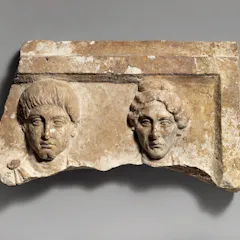
On Old Age, the Roman politician, orator, and philosopher Cicero advocates for the dignity and value of growing old. But his is a voice of privilege, which discounts women and the enslaved.
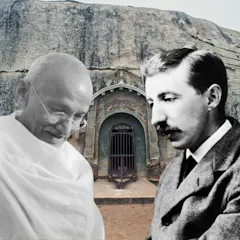
E.M. Forster’s motto was “only connect”. But what if the colonised and the coloniser cannot understand each other in any way?
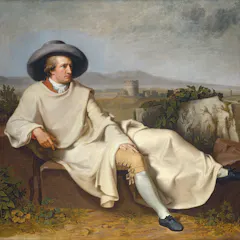
A novel that invites adoration and controversy in equal measure, Goethe’s The Sorrows of Young Werther has endured in the popular imagination.
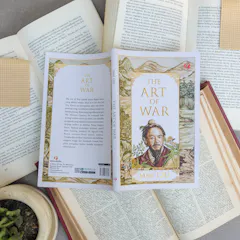
Quoting this book dating from the 5th century BCE has become an internet cliché – but what does it really say?
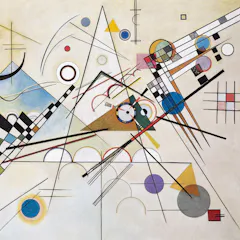
Yevgeny Zamyatin was a born loner and instinctive satirist, whose usual response to collective enthusiasm was to dissent.
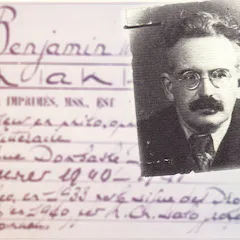
In his essays, Walter Benjamin sought to understand the nature of modernity. He drew on Marxism but was not contained by it, ranging across literature, art, popular culture, even Jewish mysticism.
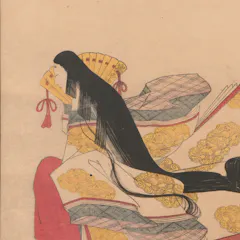
A classic of the Heian period of Japanese literature, the sensual delight of The Pillow Book encourages writers to ‘follow their brush’.

What constitutes righteous action in the face of moral ambiguity and the inevitability of violence? This question is at the heart of The Bhagavad Gita.
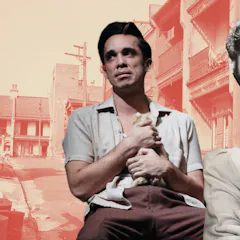
The Harp in the South has been published in 37 languages since 1948. Ruth Park was compared to Dickens for her lively portrayal of Sydney’s slums. But what does the character of Charlie Roche reveal?
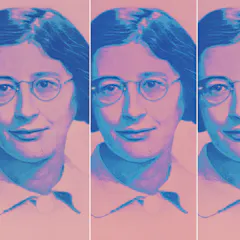
Simone Weil is one of the 20th century’s most remarkable, paradoxical figures. The Need for Roots, published in the year she died at just 34, is a tour de force of ethics and political philosophy.
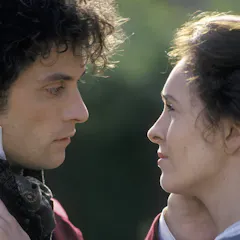
In George Eliot’s masterpiece of 19th century realism, characters are confronted with the limits of their individual capacities and visions.
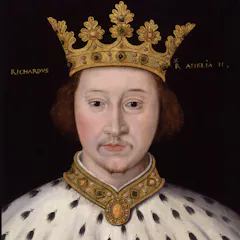
The ‘divine right of kings’ may sound obsolete, but it has resonances today. Richard II asks what it means to have power, to take power – and what we’re left with when it’s gone.
In Thomas Hardy’s novel The Woodlanders, the trees sing. Hardy’s exploration of the relationship between humans and trees resonates in an epoch of environmental catastrophe.
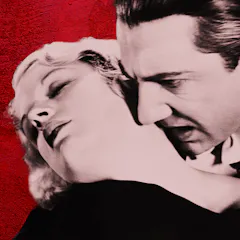
First published in 1897, Dracula is the best-known vampire story in English. It has been endlessly adapted for screen, but today’s stories tend to dilute the horror at the novel’s heart.
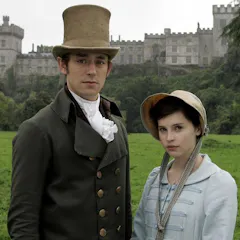
A UK university has attached a trigger warning to Northanger Abbey, Jane Austen’s biting satire, for ‘toxic relationships’. Ironically, Jodi McAlister loves it for the gentle romance at its centre.
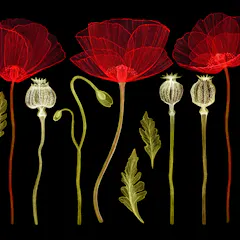
Published in 1821, Thomas De Quincey’s book created the archetype of the drug addict as cultural figure. Part story, part memoir, part essay, it mines the highs and lows of addiction.
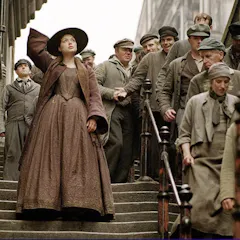
North and South is a sensitive, complex, and controversial account of the many tensions that were tearing Britain apart in the heart of the 19th century.
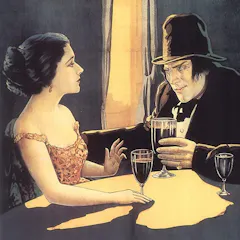
Robert Louis Stevenson’s classic forces us to confront uncomfortable questions about morality and responsibility. Do the best of us have a repressed bad side, just waiting to get out?
Top contributors
-

Lecturer in Politics and International Relations, University of Sydney
-
Professor in Philosophy, Australian Catholic University
-
Emeritus Professor of Classics, La Trobe University
-
Professor, Department of Classics and Ancient History, University of Sydney
-
Lecturer in Literary Studies, Monash University
-
Professor of Classics and Head of the Centre for Classical Studies, Australian National University
-
Associate Professor, English and Creative Writing, Edith Cowan University
-
Senior Lecturer in English, University of Sydney
-
Lecturer, the School of Liberal Arts, The University of Wollongong, University of Wollongong
-
Associate Professor in Chinese Studies, University of Sydney
-
Honorary Professor of Classics and Ancient History, School of Historical and Philosophical Inquiry, The University of Queensland
-
Associate Professor in Writing Studies, Discipline of English and Writing, University of Sydney
-
Honorary Associate, Classics and Ancient History, La Trobe University
-
Professor, School of Culture and Communication, The University of Melbourne
-
Senior Lecturer in English, UNSW