
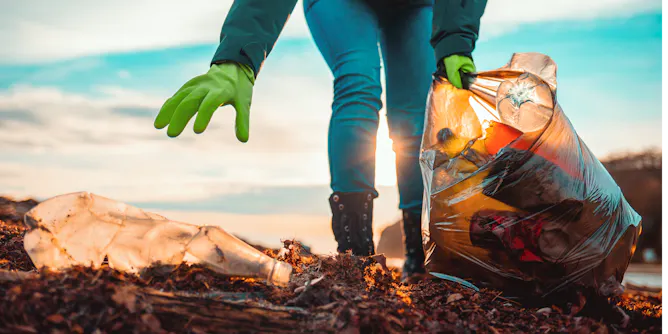
Media coverage of the dangers of plastic pollution can distract from what is actually needed, says an author.
Articles on Great Pacific Garbage Patch
Displaying all articles
Researchers even found textile fibres in very remote lakes with limited human presence.
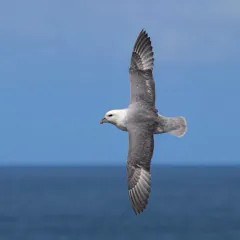
Some of the world’s most threatened birds are exposed to plastic pollution – even far out to sea.
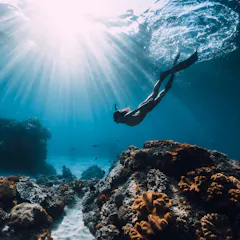
The Pacific Ocean produces oxygen, helps regulates the weather, provides food and livelihoods. It’s a place of fun, solace and spiritual connection. But its delicate ecology is under threat.
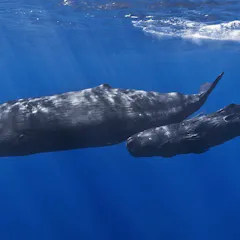
The Great Pacific Garbage Patch, a floating accumulation of rubbish the size of a continent, has whales and dolphins in its heart.
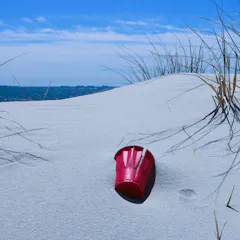
Where does plastic waste go when it reaches the ocean? For most of it, not far.
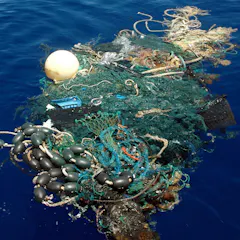
Cleaning up plastic pollution in the ocean is good – and long overdue. But where will the waste go? Recycling isn’t always an option. Bacteria and enzymes could process it, raising new questions.
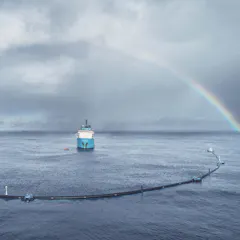
Research finds removing plastic from the ocean has huge economic benefits, even if there is little money to be made doing so.
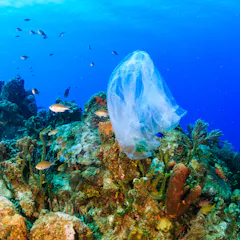
Tonnes of plastic end up in the ocean each year, but a switch away from petroleum-based products to bio-derived and degradable composites could lessen marine pollution.
Top contributors
-

Research fellow, University of Leeds
-
Professor of materials science and engineering, University of Waikato
-
Professor of Philosophy, University of Montana
-
Research fellow, Oceanography, The University of Western Australia
-
Research Fellow, Griffith University
-
Director, Australian Rivers Institute, Griffith University
-
Professor of Coastal Oceanography, The University of Western Australia
-
Seabird Science Officer, BirdLife International
-
Lecturer of Fisheries Resources Utilization, IPB University
-
Professor of Environmental Toxicology, Heriot-Watt University
-
PhD Candidate in Seabird Ecology, University of Cambridge
-
Postdoctoral fellow, James Cook University
-
Professor of Marine Biology, James Cook University
-
Associate Professor of Lake and Freshwater Science, University of Waikato
-
Lecturer/researcher, University of Otago