

Right now, nations are negotiating the details of a treaty designed to slash plastic waste. One option on the table: tax new plastic to discourage overproduction.
Articles on Marine plastics
Displaying all articles
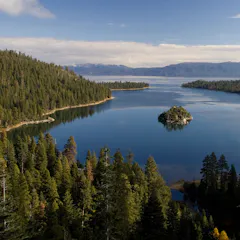
Researchers even found textile fibres in very remote lakes with limited human presence.

Litter hotspots were associated with socioeconomic factors such as a concentration of built infrastructure, less national wealth and the level of lighting at night.
The grisly discovery of a disembodied foot on a NSW beach was a tragic twist in the mystery of missing woman Melissa Caddick. Such tragedies can also reveal hidden currents connecting the planet.
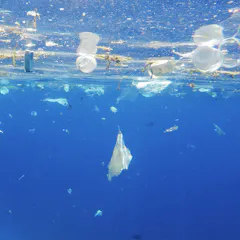
Some plastic sent overseas for recycling ends up as pollution, or goes up in toxic smoke. But there are steps we can take to ensure our waste is processed as intended.
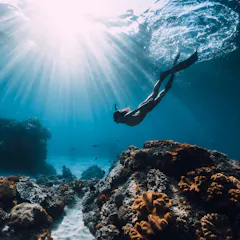
The Pacific Ocean produces oxygen, helps regulates the weather, provides food and livelihoods. It’s a place of fun, solace and spiritual connection. But its delicate ecology is under threat.
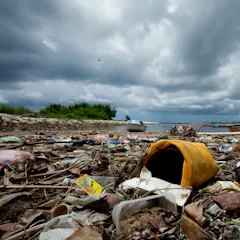
As much as 53 million tonnes of plastic waste could spill into the world’s rivers, lakes and oceans by 2030 — even if countries meet their commitments.
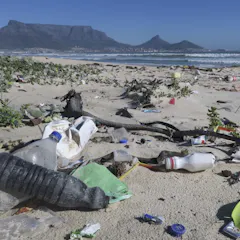
Knowledge about the movement of marine plastics will help reduce the impact of plastic pollution in water bodies.
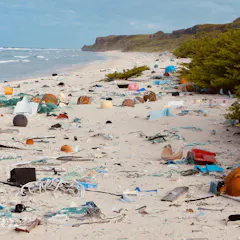
New research from Australia’s national science agency shows a huge amount of ocean plastic ends up on land, where it gets trapped.

Advertisers that tell a good story can persuade the public of all sorts of things. But some messages are disingenuous and misleading.
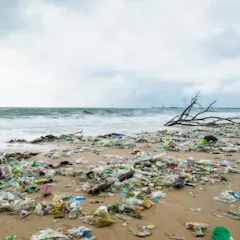
Indonesia is struggling to keep its waste from the oceans. The government has announced ambitious plan to curb plastic waste. However, lack of research to support the policy.
Top contributors
-

Senior Principal Research Scientist, Environment, CSIRO
-
Senior Principal Research Scientist, CSIRO
-
Sessional Lecturer, Marketing, RMIT University
-
Associate Professor of Lake and Freshwater Science, University of Waikato
-
Associate Professor, UNSW
-
ARC DECRA Fellow, Institute for Marine and Antarctic Studies, University of Tasmania
-
Lecturer of Fisheries Resources Utilization, IPB University
-
Postdoctoral fellow, James Cook University
-
Research Affiliate, Imperial College London
-
Director, Water Research Centre, Adelaide University
-
Research Principal, Institute for Sustainable Futures, University of Technology Sydney
-
Professor in Oceanography, UNSW
-
Associate Professor and Research Director, Institute for Sustainable Futures, University of Technology Sydney
-
Research Fellow, Griffith University
-
Lecturer/researcher, University of Otago