
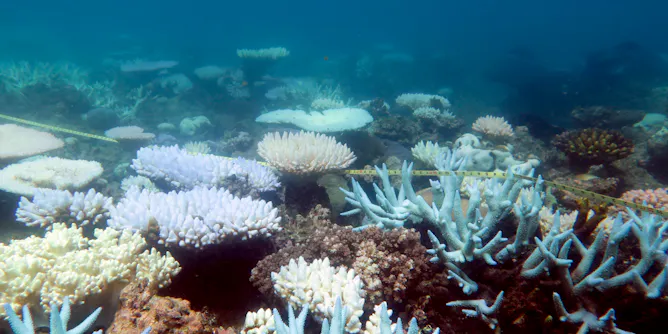
The 2016 bleaching event resulted in 30% mortality on the Great Barrier Reef, with many corals dying of the heat before they bleached and the loss of branching corals creating less complex reef structure.
Articles on Great Barrier Reef
Displaying 121 - 140 of 310 articles
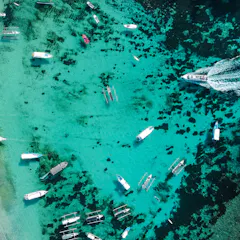
The noise from motor boats, sonar and other industrial activity interferes with the underwater chatter of fishes.
New global communities of concerned citizens can help protect iconic places such as the Great Barrier Reef. But the scope of these remote communities must extend beyond mere ‘slacktivism’.
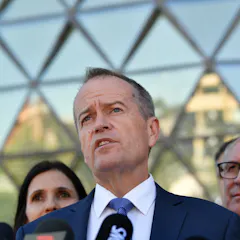
Adani is being seen as a test of Bill Shorten’s commitment to policy integrity versus his willingness to say and do whatever is politically expedient.
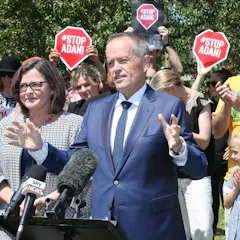
Bill Shorten has taken a further step toward opposing the proposed Queensland Adani coal mine.
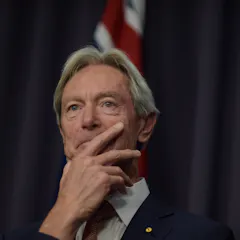
Politics Podcast: Bill Ferris on Australia’s innovation mission
CC BY46.8 MB (download)
Innovation and Science Australia chair Bill Ferris launched a report this week setting out a plan that seeks to put Australia into the top tier of innovation nations by 2030.
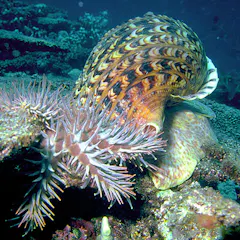
The federal government’s new funding aims to spread the net wide in investigating possible ways to protect the Great Barrier Reef’s corals. Winning this battle will require a wide range of weapons.
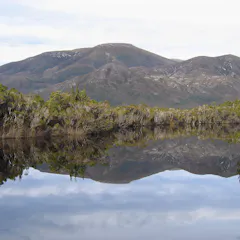
Imagine being one of the last few people alive. Would that make it ok to destroy the natural world? This thought experiment reveals the true value of nature, beyond the benefits to humans.
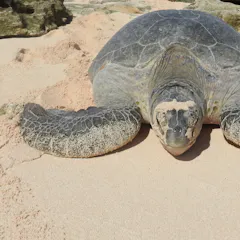
With 99% of green sea turtles in the northern Great Barrier Reef hatching as females due to changing climate, the future for this species now depends largely on effective global conservation measures.
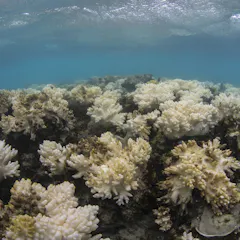
The 2016 bleaching on the Great Barrier Reef was the worst on record. Now a new analysis points the finger squarely at human-induced warming, and warns that the entire reef’s future is at stake.

A new study identifies dozens of individual reefs on the Great Barrier Reef that are especially important for coral larvae dispersal and which could help the entire ecosystem bounce back.
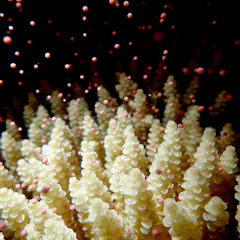
Every year buoyant bundles rise from a spawning coral, giving the impression of an upside-down snowstorm.
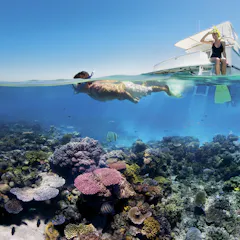
Is Australia undervaluing its most valuable natural asset by only charging $6.50 a day to visit the Great Barrier Reef? And would it help if tourists were asked to pay more?
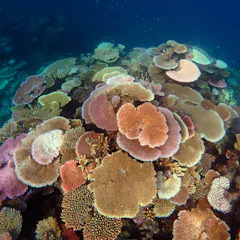
Corals on the Great Barrier Reef that are tolerant to warmer waters can be used to help repair other parts of the reef damaged by recent coral bleaching events.
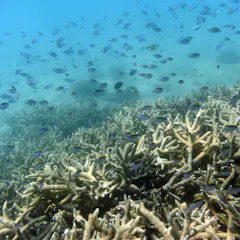
The updated plan for improving water quality on the Great Barrier Reef still doesn’t address the need to curb intensively farmed crops such as sugar cane, and to enforce existing environmental laws.

Mining social media posts from tourism hotspots such as coral reefs could turn tourists into environmental citizen scientists without them even realising it.
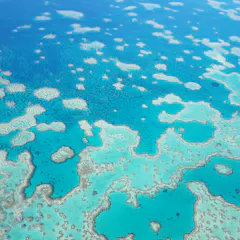
Coral bleaching on the Great Barrier Reef could lead to increased vulnerability of Queensland coastal cities and towns, and not only through its impacts on the tourism industry.
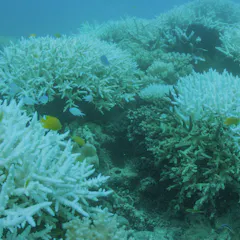
Amid fears for the world’s coral reefs, the UN World Heritage Committee has issued its most wide-ranging statement so far on protecting heritage sites from climate. But the problem doesn’t end there.
The Great Barrier Reef has avoided being listed as “in danger” by UNESCO. But celebrating this is dangerously short-sighted.

Politics podcast: Anna Krien on the climate wars
Anna Krien's latest Quarterly Essay explores the debates on climate change policy in Australia and the ecological effects of not acting.
Top contributors
-

Adjunct Principal Research Fellow, College of Science and Engineering, James Cook University
-
Professor, School of the Environment, The University of Queensland
-
Distinguished Professor, James Cook University
-
Professorial Fellow, ARC Centre of Excellence for Coral Reef Studies, James Cook University
-
Professorial Fellow, University of Canberra
-
UNESCO Chair on Climate Change Variability of Natural and Cultural Heritage and Professor in Physics, James Cook University
-
Associate professor, James Cook University
-
Professor, Conservation Planning, ARC Centre of Excellence for Coral Reef Studies, James Cook University
-
Honorary Fellow in Economics, The University of Queensland
-
Research Program Director, Australian Institute of Marine Science
-
ARC Future Fellow and Associate Professor in Climate Science, ARC Centre of Excellence for 21st Century Weather, The University of Melbourne
-
Adjunct Associate Professor in Marine Science, James Cook University
-
Professor of Marine Biology, James Cook University
-
Adjunct Professorial Research Fellow, Partner Investigator, ARC Centre of Excellence for Coral Reef Studies, James Cook University
-
ARC Laureate Professor, The University of Melbourne and James Cook University, The University of Melbourne