

The scale of climate threat is beyond the tools we have to manage the Great Barrier Reef. New measures and sustained effort are needed.
Articles on Great Barrier Reef
Displaying 41 - 60 of 310 articles
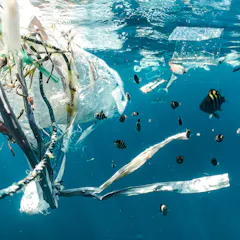
Promoting small actions, such as reducing plastic use, can be a useful entry point for other actions around climate change. It’s an example of ‘positive spillover behaviour’.
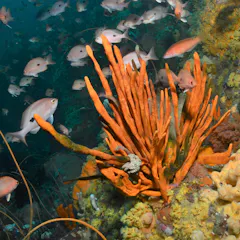
The first comprehensive audit of marine life around Australia, deploying an army of volunteer research divers alongside scientists, has revealed southern reefs are suffering the most.

The mine was not refused on climate change grounds. So without legal reform, other fossil fuel projects may still go ahead.
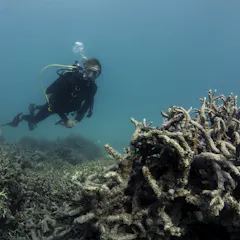
With the disastrous effects of climate change already upon us, past events may have lessons for the future.

UNESCO report highlights what needs to be done to save the global icon. But you might be surprised by its top recommendation.
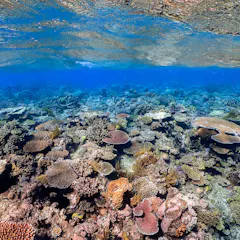
Environment ministers from both sides are determined not to see the Barrier Reef listed as in danger. The question is – why?
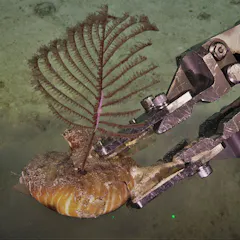
Black corals provide critical habitat for many creatures that live in the dark, often barren, deep sea, and researchers are learning more about these rare corals with every dive.
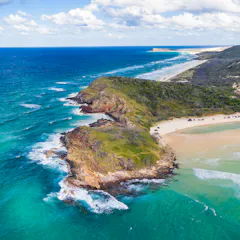
Establishing the age of K'gari (Fraser Island) confirms it emerged before the reef, despite the climate being suitable for coral growth long before then.

The budget earmarked worthwhile climate measures, but many are piecemeal. Amid record-breaking extreme weather in Australia, federal spending on climate action still falls well short.
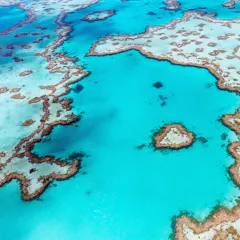
New data shows coral cover in the Great Barrier Reef is at a record high, despite a disturbing decade of marine heatwaves, cyclones and floods. While the data is robust, it can be deceptive.
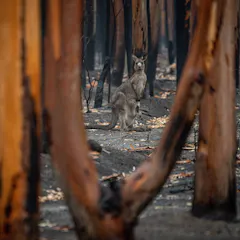
Three chief authors of the State of the Environment Report provide its key findings. While it’s a sobering read, there are a few bright spots.
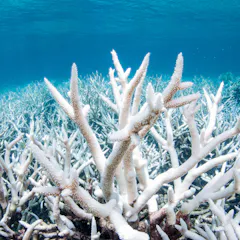
Efforts to save the reef aren’t tackling the main cause: climate change. What we need from our next federal government is strong leadership to avert the climate crisis.
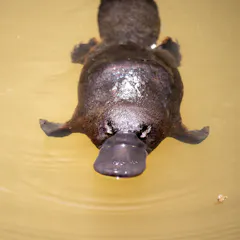
We don’t have to passively sit back and watch Australia’s species and ecosystems die. Here are five concrete steps the next government should take.
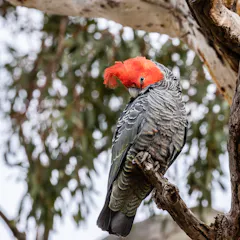
The fate of nature underpins our economy and health. Yet in the election campaign to date, there’s been a deafening silence about it.

Look beyond the fanfare about large infrastructure projects like Hells Gate and what we are left with is a largely business-as-usual budget for regional Australia
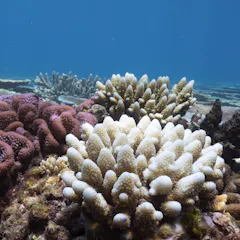
Coral reefs that suffer widespread bleaching can still recover if conditions improve, but it’s estimated to take up to 12 years. And that’s if no more bleaching events occur.
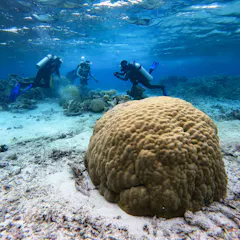
Coral in the Great Barrier Reef is once again bleaching, with water temperatures up to 3°C higher than normal in some places.
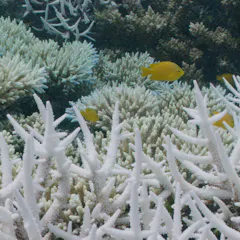
The reef is suffering environmental conditions that are so extreme, scientists are struggling to simulate these scenarios in laboratories.
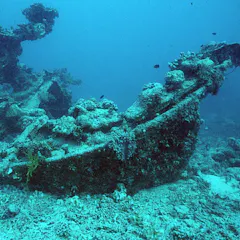
Throughout the past 230 years, over 1,200 vessels met their end on the reef – but only 114 have been found.
Top contributors
-

Adjunct Principal Research Fellow, College of Science and Engineering, James Cook University
-
Professor, School of the Environment, The University of Queensland
-
Distinguished Professor, James Cook University
-
Professorial Fellow, ARC Centre of Excellence for Coral Reef Studies, James Cook University
-
Professorial Fellow, University of Canberra
-
UNESCO Chair on Climate Change Variability of Natural and Cultural Heritage and Professor in Physics, James Cook University
-
Associate professor, James Cook University
-
Professor, Conservation Planning, ARC Centre of Excellence for Coral Reef Studies, James Cook University
-
Honorary Fellow in Economics, The University of Queensland
-
Research Program Director, Australian Institute of Marine Science
-
ARC Future Fellow and Associate Professor in Climate Science, ARC Centre of Excellence for 21st Century Weather, The University of Melbourne
-
Adjunct Associate Professor in Marine Science, James Cook University
-
Professor of Marine Biology, James Cook University
-
Adjunct Professorial Research Fellow, Partner Investigator, ARC Centre of Excellence for Coral Reef Studies, James Cook University
-
ARC Laureate Professor, The University of Melbourne and James Cook University, The University of Melbourne